Which Side of Mt. Fuji Should You Visit?
Which Side of Mt. Fuji Should You Visit?
North vs West vs South — A Practical Guide to Choosing the Right View
Mount Fuji is not a single view — it is a mountain with many personalities.
Travelers often ask, “Where is the best place to see Mt. Fuji?”
The honest answer is:
it depends on what you value most — reliability, atmosphere, solitude, or photographic depth.
This guide compares the north, west, and south sides of Mt. Fuji, not as sightseeing checklists, but as distinct landscape experiences. By the end, you should know which side aligns best with your travel style — and why.
Why Mt. Fuji Looks Different From Every Side
Mt. Fuji stands alone, but its surroundings change dramatically by direction.
- North opens toward lakes and towns
- West leans into forests, highlands, and distance
- South spreads into wide plateaus and rural farmland
These differences affect:
- how often the summit is visible
- how crowded viewpoints feel
- how the mountain fits into the landscape
Choosing the “right” side is less about popularity — and more about expectation management.
The North Side: Classic, Gentle, and Reliable
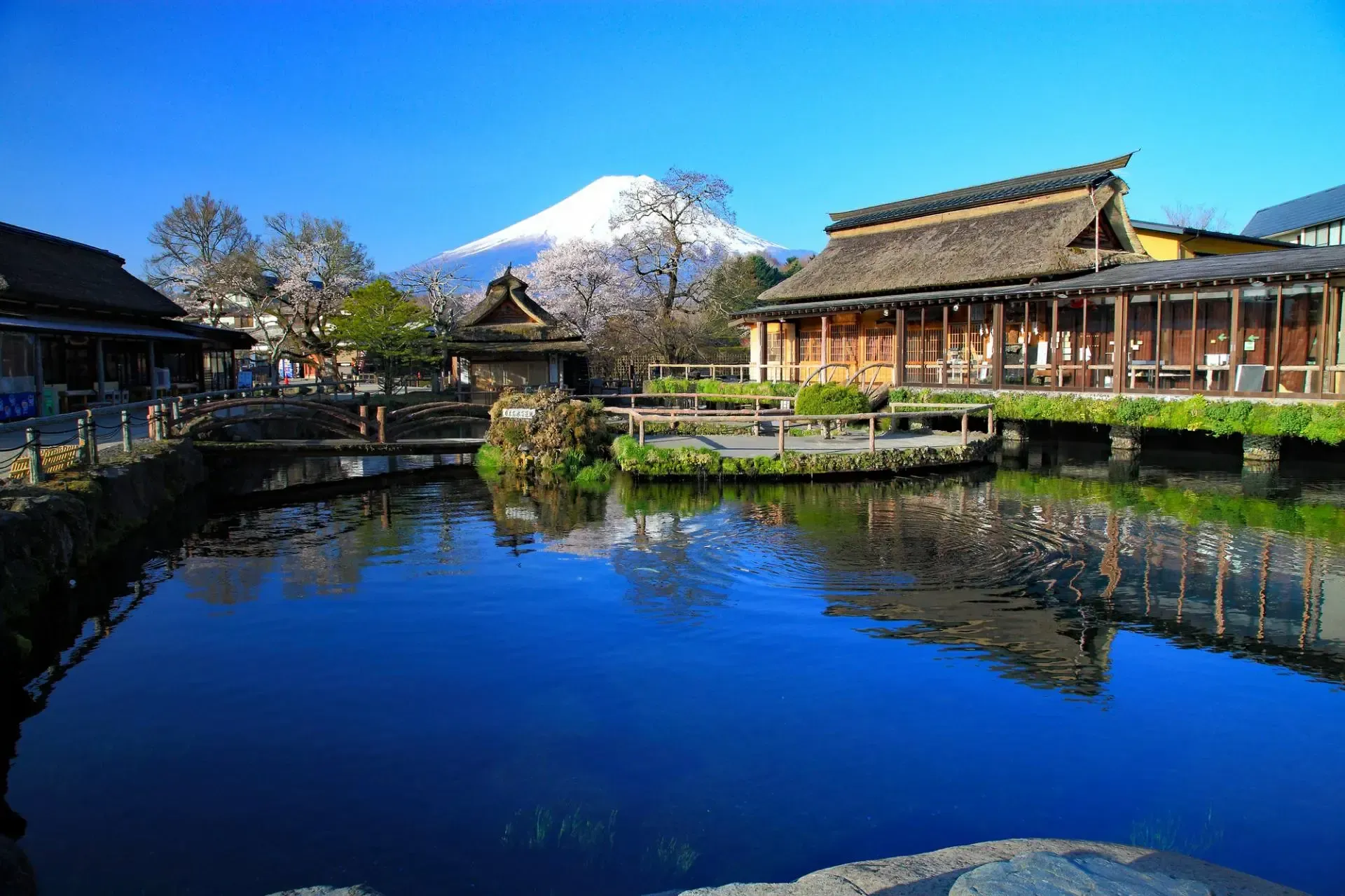
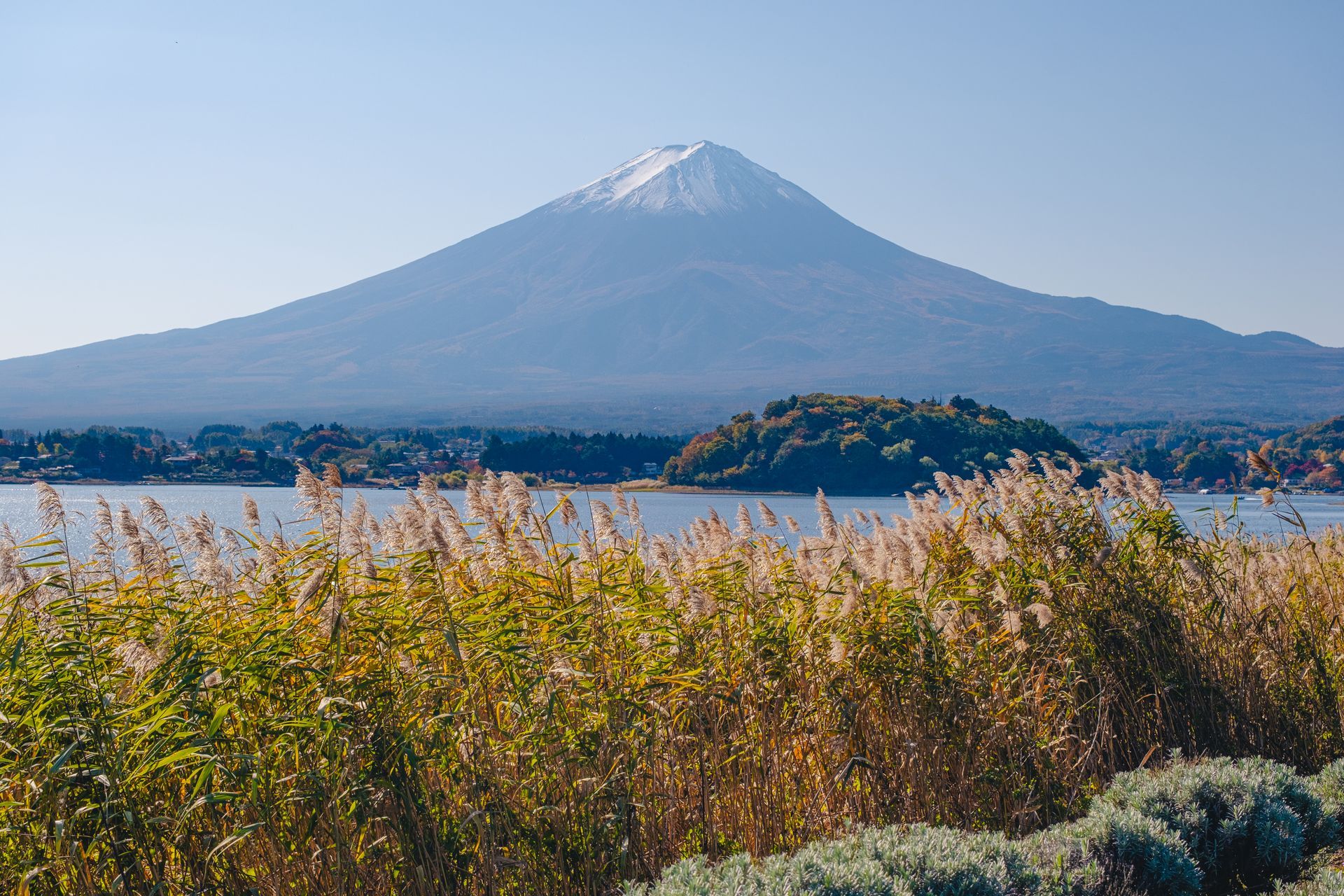
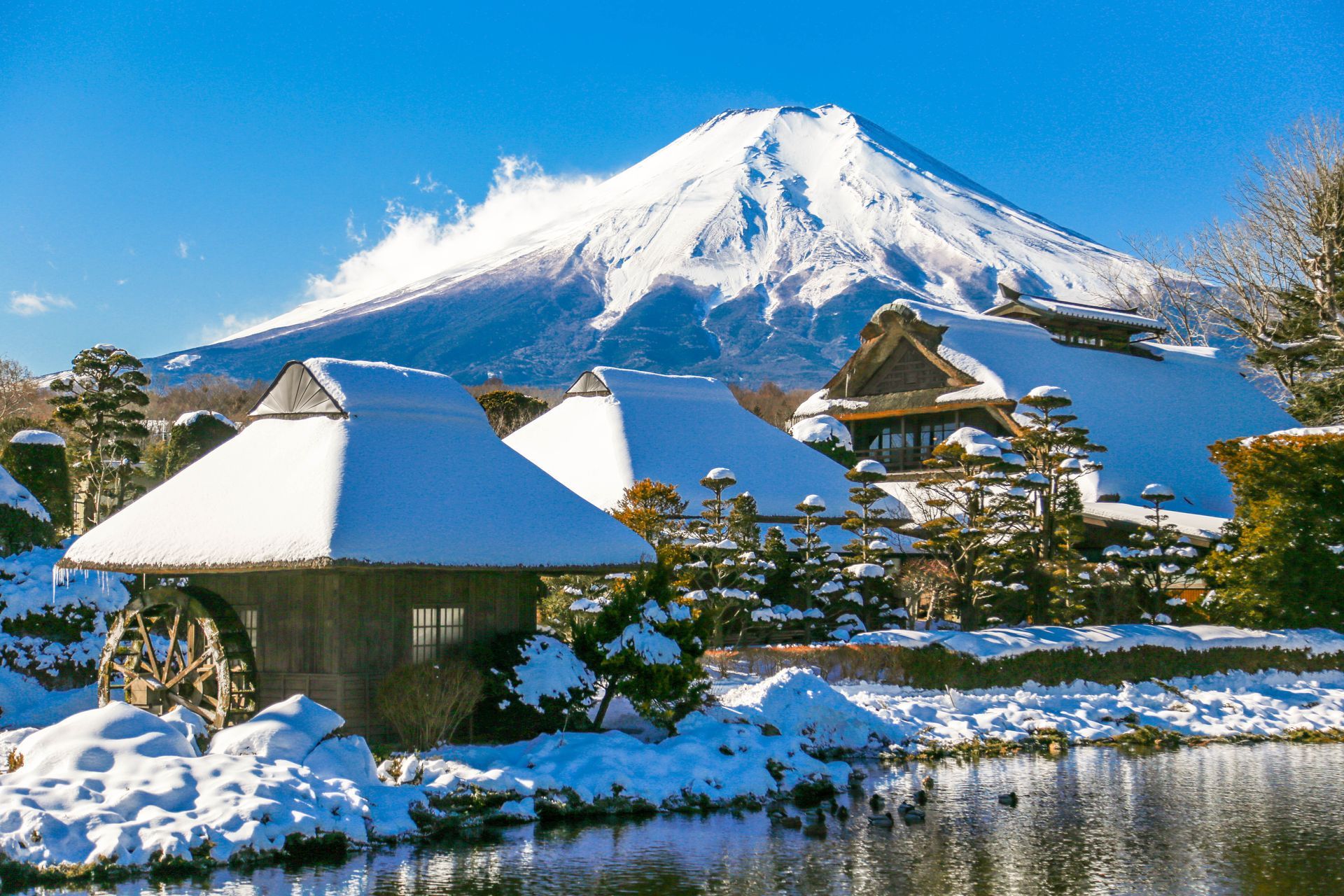
The north side (Kawaguchiko, Oshino, Fujiyoshida) is where most first-time visitors go — and for good reason.
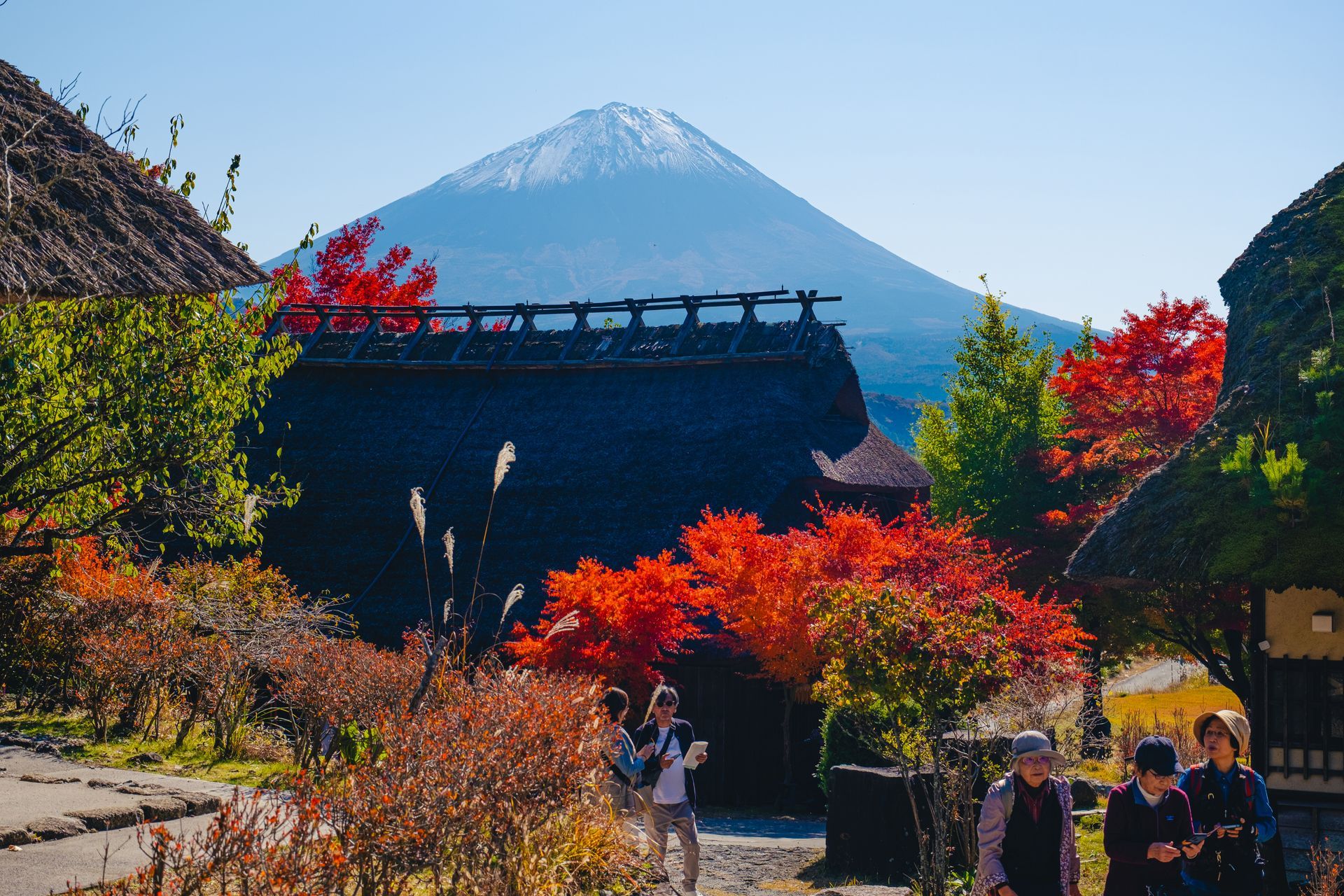
Here, Fuji appears framed rather than isolated. Lakes reflect it. Pagodas balance it. Towns give it scale.
What the North Side Does Best
- Highest overall chance of seeing Fuji on a short trip
- Iconic compositions: lake + mountain, pagoda + mountain
- Easy access from Tokyo
How It Feels
- Familiar and welcoming
- Structured but not overwhelming
- Ideal for first encounters with Fuji
Best For
- First-time visitors
- Families and mixed-age groups
- Travelers with one day from Tokyo
The north side is not about surprise — it’s about confidence.
The West Side: Quiet, Wild, and Photographer-Oriented
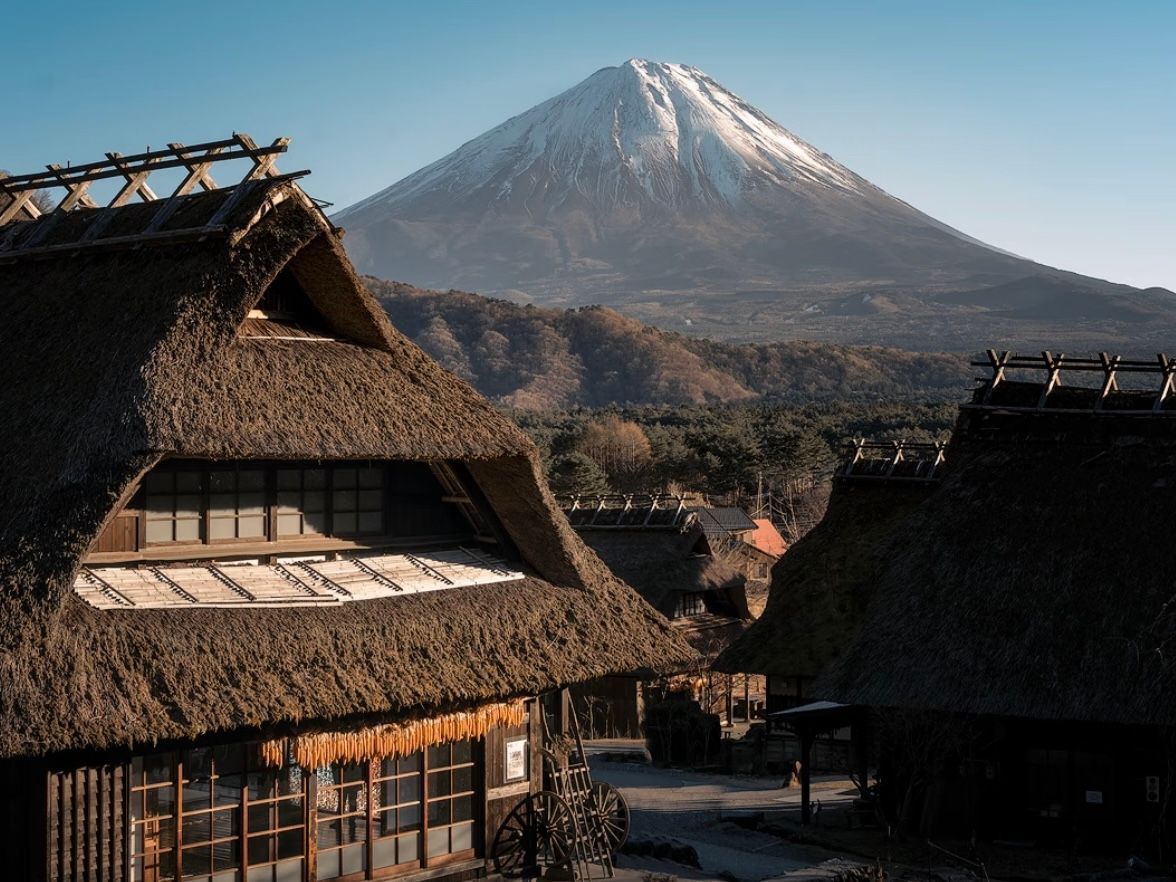
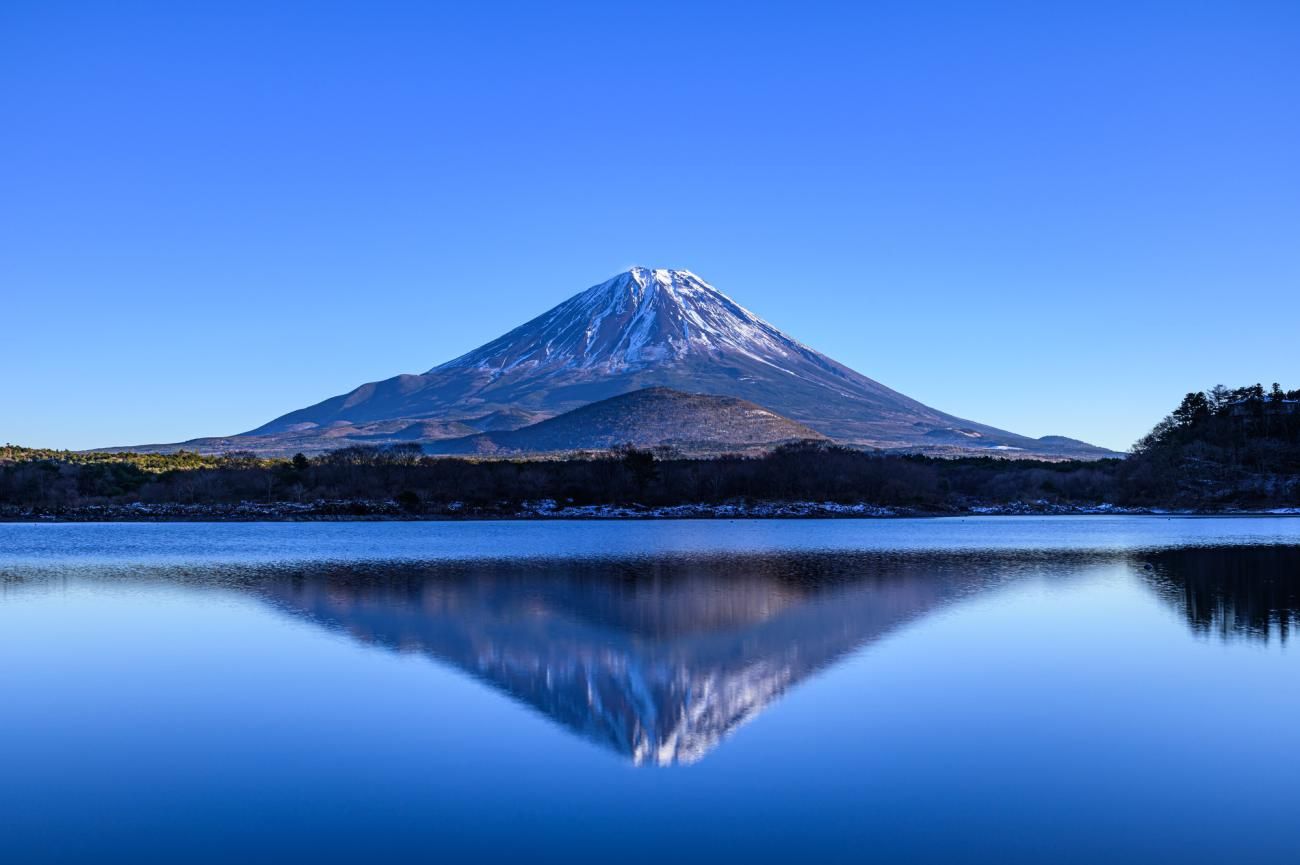
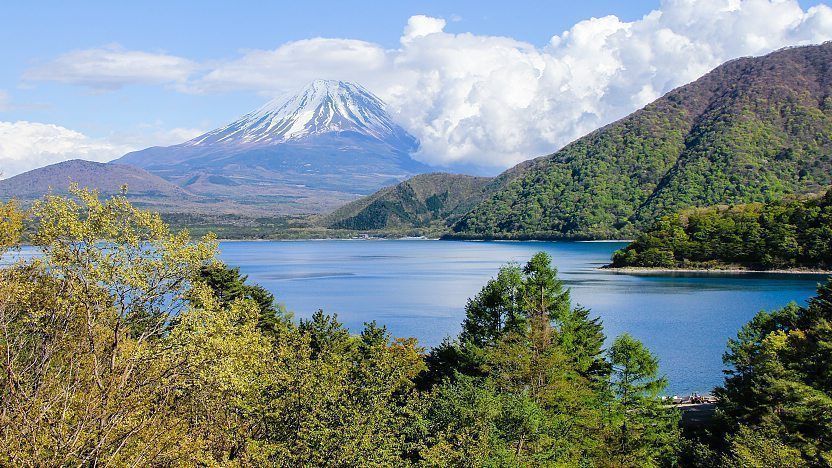
The west side (Motosu, Shoji, Saiko, Mitsutoge) feels different almost immediately.
Here, Fuji is less framed and more earned. Views open slowly. Forests dominate the foreground. Silence replaces crowds.
What the West Side Does Best
- Strongest sense of solitude
- Exceptional light and reflection conditions
- Deeper, more layered compositions
How It Feels
- Unhurried
- Atmospheric rather than dramatic
- Rewarding patience over efficiency
Best For
- Photographers
- Repeat visitors
- Travelers who value quiet over checklists
On the west side, Fuji does not announce itself —
it
reveals itself.
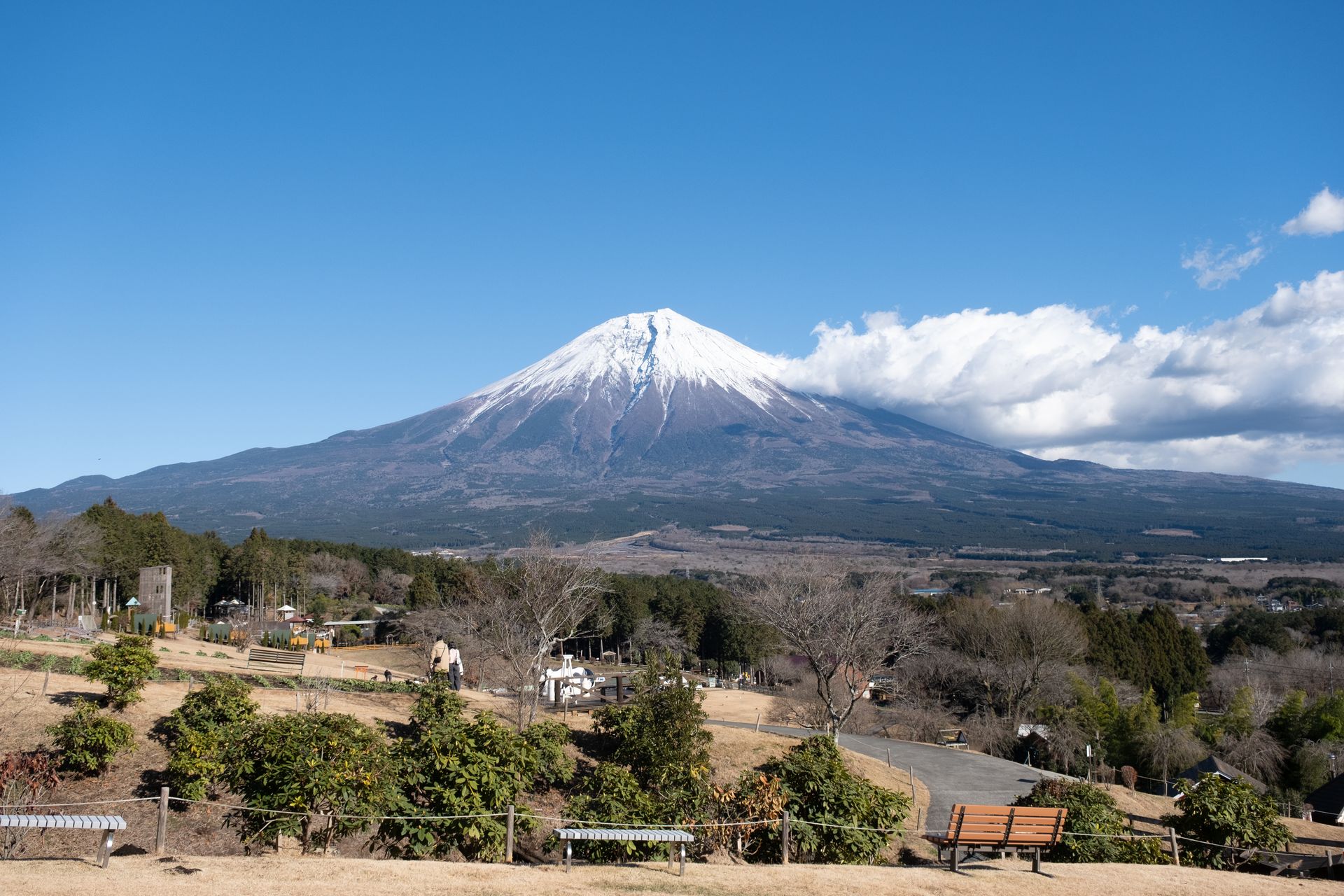
The South Side: Open Horizons and Rural Fuji
The south side (Makaino Farm, Asagiri Plateau) is often overlooked — which is exactly why it works.
Here, Fuji stands against open pasture and sky, not water or buildings. The experience is grounded, spacious, and distinctly rural.
What the South Side Does Best
- Wide, uncluttered views
- Fewer crowds, even in peak seasons
- Strong sense of scale and distance
How It Feels
- Calm and breathable
- Less “touristic,” more lived-in
- Ideal for slow travelers
Best For
- Couples seeking a relaxed pace
- Travelers who prefer open landscapes
- Guests returning to Fuji after seeing the classics
The south side is where Fuji feels present, not posed.
Which Side Is Right for You?
If your priority is
“I want to see Fuji clearly”
→ Choose
North
If your priority is
“I want a meaningful, quiet experience”
→ Choose
West
If your priority is
“I want space, air, and countryside”
→ Choose
South
There is no universal “best side.”
There is only the side that fits how you travel.
A Note on Weather — and Why Side Choice Matters
Visibility around Mt. Fuji is not random.
Different sides respond differently to:
- cloud base height
- wind direction
- seasonal moisture
This is why experienced planners rarely lock into a single viewpoint.
Instead, they
choose a side first, then adjust locations within that side.
That flexibility is often the difference between:
- “We didn’t see Fuji today”
- and “Fuji appeared exactly when it needed to”
How We Design Routes Around the Mountain
When we plan a Mt. Fuji day, we don’t ask:
“Which spot is famous?”
We ask:
- What time does the guest arrive?
- How flexible is the schedule?
- What kind of experience are they actually seeking?
Only then do we decide which side of the mountain makes sense.
Because Mt. Fuji is not a single destination.
It is a landscape that rewards the right approach.
Final Thought
Mt. Fuji does not look the same from everywhere —
and it shouldn’t.
Choosing the right side is not about seeing more.
It’s about seeing
better.