


WINS International Travel Group
思慮深くペースを調整した日本各地の旅
ツアーを見る
私たちについて
ウィンズインターナショナルトラベルグループは、東京を拠点とし、日本各地の日帰り旅行、バスツアー、プライベートチャーターを専門とする旅行会社です。
当社は富士山とその周辺地域に重点を置いており、象徴的な景色と快適な旅行体験のバランスが取れた、考え抜かれたペースの旅程を設計しています。
当社は、経験豊富なドライバー、プロのガイド、信頼できる車両と連携し、すべての旅が安全でスムーズ、そして楽しいものとなるよう努めています。
一人旅でも、家族旅行でも、グループ旅行でも、私たちの目標はシンプルです。日本旅行をわかりやすく、快適で、思い出に残るものにすることです。
トラベラーズ・トラストが国際的に成功する理由
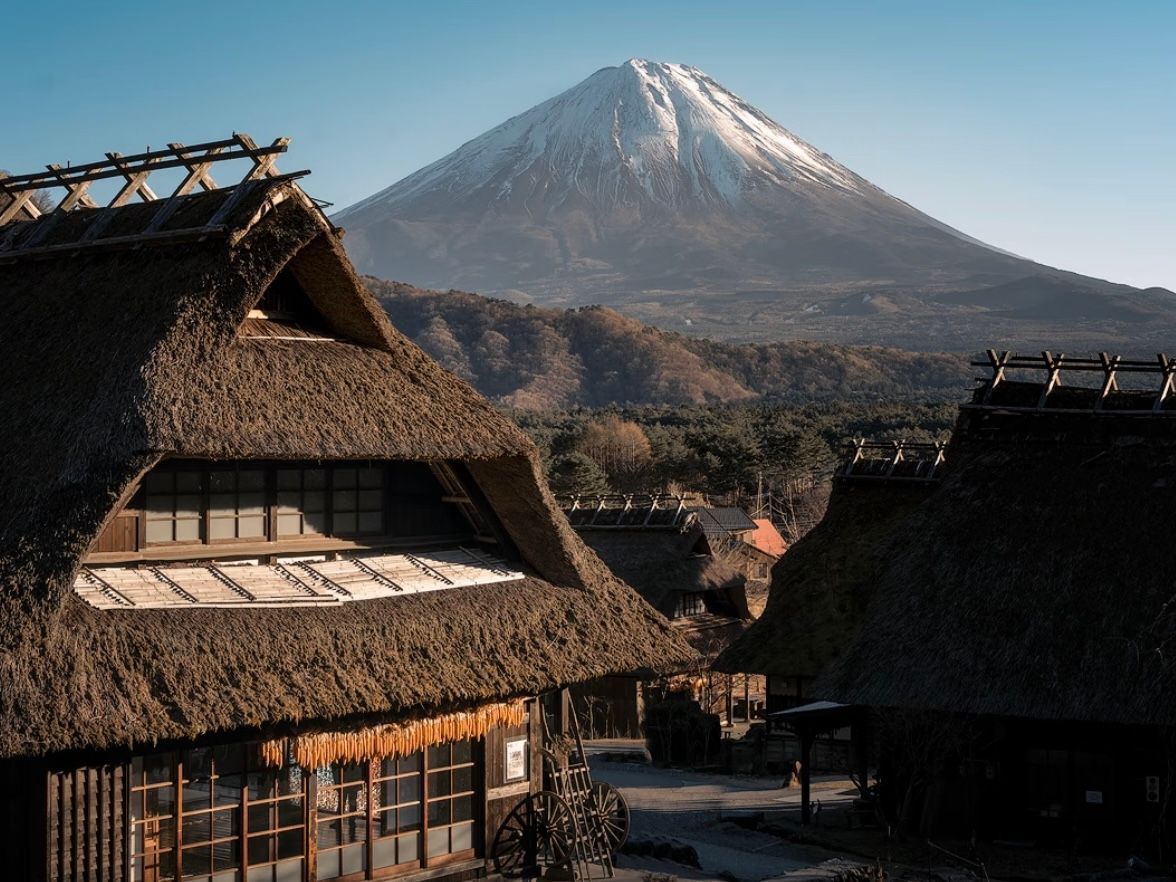
Saiko Iyashi-no-Sato Nenba Why This Rebuilt Village Explains Mt. Fuji Better Than Most Viewpoints Saiko Iyashi-no-Sato Nenba is often introduced as a “traditional village near Mt. Fuji.” For many travelers, that description sounds secondary—something to visit only if time allows, or something that exists mainly for atmosphere. In reality, Nenba plays a far more important role in understanding the Mt. Fuji region. It explains how people once lived with the mountain , not how they admired it. For travelers who want more than photographs, this distinction matters. Located beside Lake Saiko on the western side of Mount Fuji, Nenba does not compete with famous viewpoints. Instead, it provides the context that most Fuji itineraries are missing. Nenba was once a functioning lakeside farming village. Families lived here for generations, relying on forestry, small-scale agriculture, and seasonal labor. Life was shaped less by scenery than by climate: long winters, heavy snow, limited arable land, and isolation during colder months. Houses, tools, and daily routines developed as practical responses to these conditions. In 1966, a powerful typhoon caused landslides that destroyed the village almost entirely. Residents relocated, and Nenba disappeared. What exists today is a carefully reconstructed settlement, rebuilt decades later not as entertainment, but as a cultural preservation project . The goal was not to recreate a picturesque past, but to document how rural life actually functioned at the foot of Mt. Fuji. This intent is essential to understanding why Nenba is worth visiting. Many visitors approach reconstructed villages with skepticism, questioning authenticity. Nenba avoids this problem by being explicit about its purpose. It does not pretend uninterrupted continuity. Instead, it presents itself as an explanation—using historically accurate buildings and layouts to show how people adapted to their environment. The architecture alone justifies the visit. The steep thatched roofs were not decorative choices; they were technical solutions designed to shed snow and retain heat. Thick layers of grass insulated interiors during winter and allowed ventilation during humid summers. Low ceilings conserved warmth, while locally sourced materials made repairs possible through community labor rather than specialists. These houses demonstrate that what we now call “traditional” was once engineering shaped by necessity . For travelers interested in how Japanese rural life actually worked, Nenba offers clarity that no viewpoint can provide. Inside the houses, the presentation remains deliberately restrained. There are no staged reenactments, no mannequins frozen in daily tasks. Instead, hearths, tools, looms, and storage spaces are arranged as they would have been used. This approach shifts responsibility to the visitor: observation replaces instruction. As a result, Nenba rewards attention. Visitors begin to notice how light enters a room, where tools are kept, and how space is divided between work, rest, and storage. These details form a coherent picture of self-sufficient households operating in a harsh environment. Nenba does not dramatize the past; it makes it legible . This is precisely why Nenba is strongly recommended as part of a Mt. Fuji visit. Most itineraries focus on visibility and iconic compositions. While those experiences are valuable, they leave an important question unanswered: what did it mean to live here before Mt. Fuji became a destination? Nenba answers that question directly. After visiting, other sites gain depth. Oshino Hakkai’s springs feel less abstract. Sengen Shrines feel more connected to everyday life. Mt. Fuji itself feels less symbolic and more consequential. Nenba functions as a contextual anchor, grounding the region’s natural and religious sites in lived reality. Another reason Nenba is worth recommending is its reliability across seasons. Unlike viewpoint-dependent locations, it remains meaningful even when Mt. Fuji is partially hidden. Spring brings soft light and fresh greenery. Summer offers cool interiors and forest shade. Autumn provides crisp air and clear structure. Winter, with snow resting on thatched roofs, reveals the village at its most atmospheric and least crowded. Because of this, Nenba works especially well during midday hours, when harsh light often limits photography elsewhere. It fits naturally between major stops, adding balance to a well-paced day. Food and souvenirs play a supporting role rather than a central one. Meals are simple—soba, udon, grilled mochi, tea—reflecting sufficiency rather than indulgence. Souvenirs are most meaningful when handmade: textiles, woodwork, pottery produced on site or locally. These items align with Nenba’s emphasis on time, labor, and material honesty. Nenba does not attempt to entertain. It does not offer spectacle. This selectivity is intentional. For this reason, Nenba is not for every traveler. It is best suited to those who value explanation over highlights, and understanding over speed. Visitors seeking quick attractions or dramatic photo opportunities may find it understated. But for travelers who want to understand why life around Mt. Fuji developed the way it did , Nenba is one of the most instructive places in the region. That is why Nenba is consistently recommended—not as a must-see landmark, but as a place that turns a scenic trip into an informed one. In a region dominated by views, Saiko Iyashi-no-Sato Nenba offers something rarer: clarity. It shows how people adapted to Mt. Fuji’s environment, how architecture and routine emerged from necessity, and how rural life once functioned beneath a mountain that today is mostly admired from a distance. For travelers who want more than images, Nenba explains what they are looking at—and why it matters. Suggested Reading Oshino Hakkai — Sacred Springs and the Spiritual Gateway to Mt. Fuji Fuji from the West — Wild Lakes and Quiet Shores When Is the Best Time of Day to See Mt. Fuji?
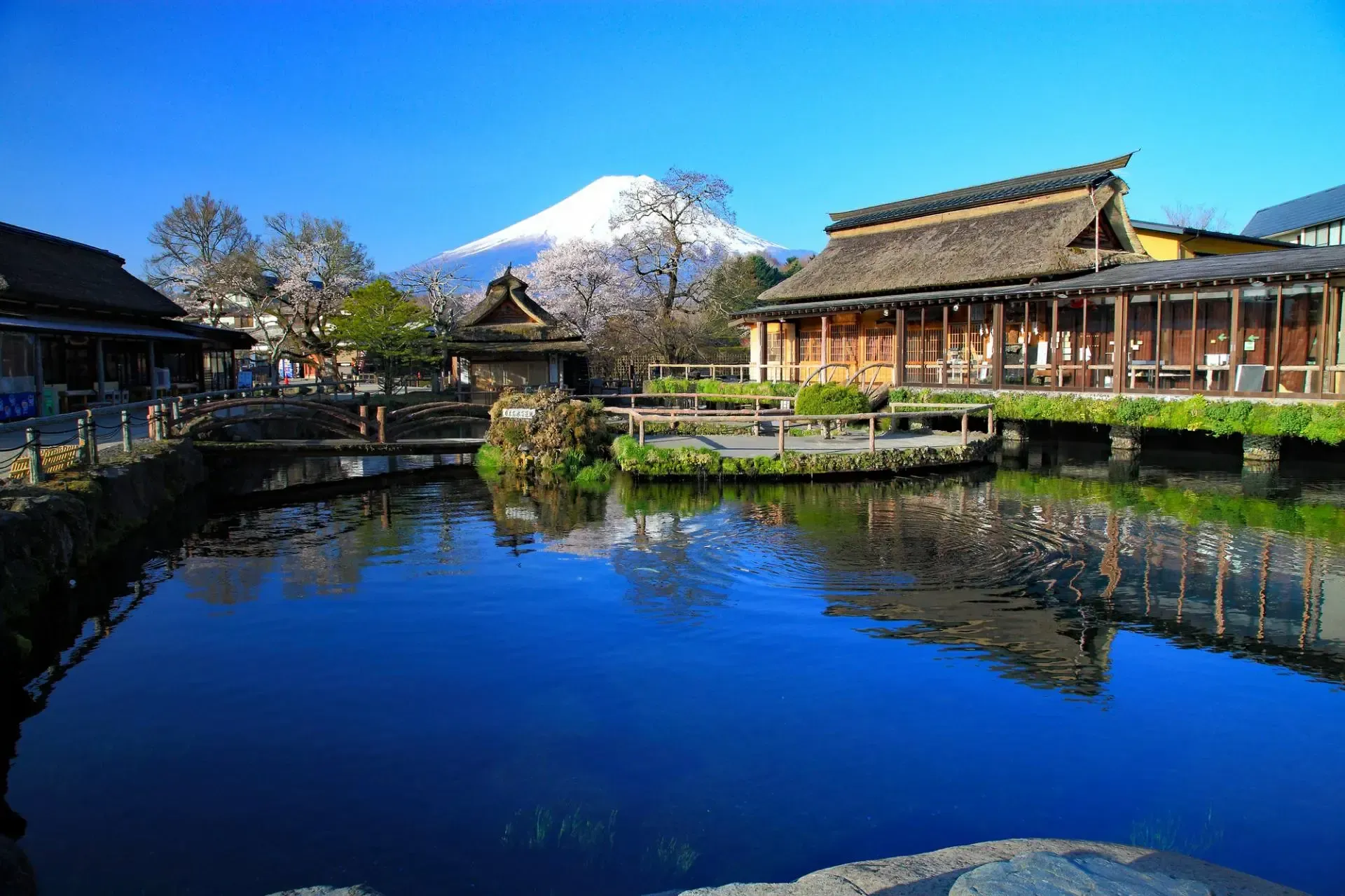
Oshino Hakkai Sacred Springs, Living Villages, and the Spiritual Gateway to Mt. Fuji Oshino Hakkai lies quietly between Lake Kawaguchi and Lake Yamanaka, at the northern foot of Mount Fuji. At first glance, Oshino Hakkai appears simple: clear spring ponds, thatched-roof houses, souvenir stalls, and a steady flow of visitors. But beneath that surface is a place shaped not for tourism, but for purification, belief, and daily life . Oshino Hakkai is not a recreated village. It is a living settlement , built around sacred water that once prepared pilgrims to face Mt. Fuji itself. To truly understand Oshino Hakkai, one must see it not as a sightseeing stop—but as a threshold . 1. What Oshino Hakkai Really Is Geologically, Oshino Hakkai is formed by snowmelt from Mt. Fuji. Water falls on the summit, melts slowly, and filters through layers of volcanic rock for over 80 years before emerging as crystal-clear springs at the village edge. The temperature remains stable year-round, and the mineral balance gives the water exceptional clarity. Culturally, this water was never ordinary. For centuries, it was treated as sacred , used for ritual cleansing by those preparing to approach Mt. Fuji. Oshino Hakkai is not simply “eight ponds.” It is a ritual landscape embedded within everyday life . 2. The Spiritual Origins of Oshino Hakkai Fuji-ko Belief and Sacred Water Long before travelers arrived, Oshino Hakkai was part of the Fuji-ko belief system—a lay religious movement that flourished during the Edo period (1603–1868). For Fuji-ko practitioners, Mt. Fuji was not climbed for recreation. It was approached through discipline, purification, and moral preparation. The pilgrimage followed a symbolic sequence: Approach the mountain Cleanse the body with sacred water Prepare the mind through prayer and restraint Ascend Mt. Fuji as a spiritual act Return renewed Oshino Hakkai functioned as a final purification site before ascent. To touch its water was to symbolically touch the mountain itself. This belief explains why water here was protected so carefully—and why some springs remain fenced even today. 3. Why There Are Eight Springs In Japanese belief systems, the number eight represents wholeness and balance . Each spring in Oshino Hakkai has its own name and position, but historically they were not independent attractions. Together, they formed a ritual circuit . Pilgrims moved deliberately between them, pausing, cleansing, and preparing. The springs were not meant to be rushed, consumed, or conquered. This is why Oshino Hakkai still resists spectacle. Its purpose was always transition , not display. 4. Sacred Space and Daily Life Unlike isolated shrine complexes, Oshino Hakkai developed inside a working village. Farmers drew water from the same springs pilgrims revered. Homes were built beside sacred ponds. Daily routines unfolded around ritual spaces. There are: no grand gates no single dominant shrine no clear boundary between sacred and ordinary Belief here is embedded , not elevated. This coexistence gives Oshino Hakkai its unique atmosphere—quiet, grounded, and deeply human. 5. Best Seasons to Visit Oshino Hakkai 🌸 Spring (Late March – May) Fresh greenery, snow still visible on Fuji Balanced water clarity and soft colors Moderate crowds Best for: first-time visitors, balanced photography 🌿 Summer (June – September) Deep green surroundings Highest visitor volume Fuji visibility less reliable Best for: water clarity Tip: arrive before 9:00 AM 🍁 Autumn (October – November) Crisp air and improving visibility Subtle foliage reflected in ponds Calm pacing Best for: photographers, atmosphere ❄️ Winter (December – February) Few visitors Steam rising from springs Snow-covered roofs on clear days Best for: quiet exploration and mood 6. How to Walk Oshino Hakkai Properly Most visitors remain in the central souvenir area. But Oshino Hakkai reveals itself when you: follow residential lanes pause at quieter ponds move without urgency Listen for: water flowing beneath wooden bridges wind through reeds footsteps naturally slowing This is not a place to hurry. 7. Local Food Shaped by Spring Water Food here reflects the water itself—clean, simple, restrained. 🍢 Grilled River Fish Often trout or char, skewered and grilled slowly. Minimal seasoning. Clean flavor. 🍡 Mitarashi Dango Warm rice dumplings with sweet soy glaze. Meant to comfort, not impress. 🍜 Handmade Soba Some family-run shops still use spring water in noodle preparation. Light, clean, and understated. 🍦 Soft Ice Cream Local milk, green tea, or spring-water branding. Refreshing rather than indulgent. 8. Souvenirs That Make Sense Skip mass-produced trinkets. Look instead for: spring-water products local miso or pickles simple ceramics handmade wooden items The best souvenirs here are quiet and practical . 9. Photography and Etiquette Oshino Hakkai is beautiful—but it is also someone’s home. Please: avoid blocking bridges respect restricted pond edges photograph people thoughtfully The strongest images here come from: reflections stillness human scale Not spectacle. 10. Oshino Hakkai in a Mt. Fuji Day Oshino Hakkai works best: after early morning Kawaguchiko views before late afternoon Chureito Pagoda as a grounding moment between major stops It resets rhythm. Final Thought Oshino Hakkai is not a highlight to conquer. It is a place where water prepared people to meet a mountain . Those who slow down often leave with something they did not arrive expecting— a quieter understanding of Mt. Fuji, shaped not by views, but by belief. Suggested Internal Links Photographing Mt. Fuji: Part 1 — North Side When Is the Best Time of Day to See Mt. Fuji? What to Eat Around Mt. Fuji
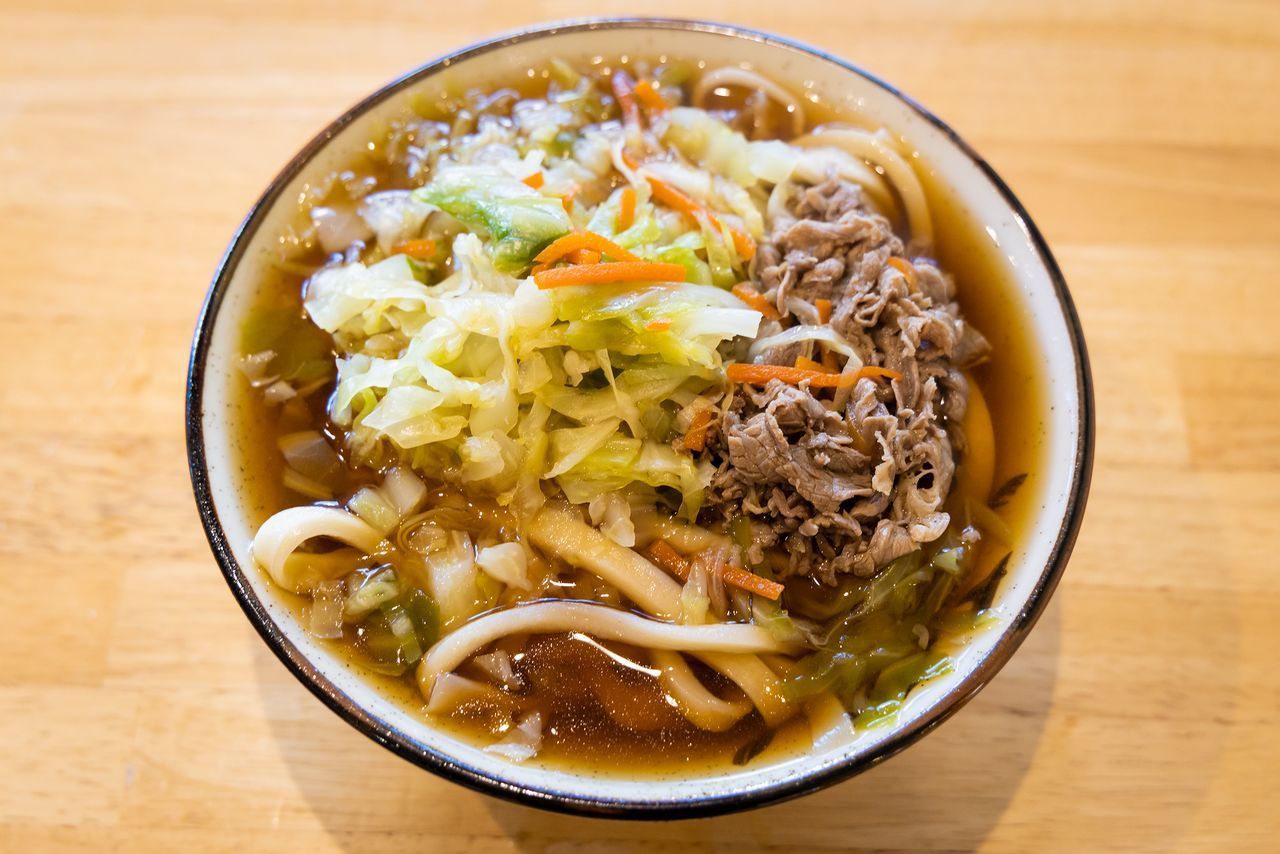
What to Eat Around Mt. Fuji Essential Local Dishes You Shouldn’t Miss Mount Fuji is not only a landscape. It is also a food region shaped by cold winters, volcanic soil, mountain water, and rural life . Many travelers focus so intensely on seeing Mt. Fuji that they forget something equally important: this is a place where food tells the story of how people live with the mountain . This guide introduces the dishes that truly belong here—not trendy cafés or Instagram snacks, but foods that make sense because Mt. Fuji is here. 🍲 Houtou (Must-Try)— The Soul Food of Fuji’s Northern Side If there is one dish that defines the Fuji region, it is Houtou . Thick, flat wheat noodles are simmered slowly in a miso-based broth with pumpkin, root vegetables, mushrooms, and seasonal greens. It is filling, warming, and unapologetically rustic. Why It Belongs Here Developed as a winter survival meal Uses local vegetables that grow well in volcanic soil Designed to keep the body warm in cold mountain climates Houtou is not subtle cuisine. It is food that says: “Sit down, slow down, and stay warm.” Where You’ll Encounter It Most commonly around Lake Kawaguchi , especially in family-run restaurants that have served the same recipe for decades. 🍜 Yoshida Udon — Strong Noodles for a Strong Climate If Houtou is comforting, Yoshida Udon is stubborn. Originating in Fujiyoshida City, these noodles are famously thick and firm—sometimes described as chewy to the point of resistance. Toppings are simple: soy-based broth cabbage horse meat or pork chili miso Why It Belongs Here High-altitude living demanded energy-dense meals Long working days favored food that stays filling Texture mattered more than elegance This is not a dish designed to impress visitors. It is designed to fuel locals . 🔥 Fujinomiya Yakisoba — Where Technique Matters On the southern side, Fujinomiya Yakisoba stands apart from other regional versions. What makes it different? Steamed, firm noodles Pork fat instead of oil Sardine powder (fish flakes) added at the end The result is smoky, savory, and deeply umami-rich. Why It Belongs Here Influenced by Shizuoka’s coastal ingredients Developed around factory workers’ quick meals Perfect balance of texture and speed This dish is best eaten hot, quickly, and without ceremony . 🥩 Local Beef & Pork — Simple, Honest, and Regional While not as internationally famous as Kobe beef, Yamanashi and Shizuoka local meats are widely appreciated in the Fuji area. You’ll often find them served simply: grilled sliced over rice paired with local vegetables Why It Works Clean mountain water Cooler temperatures Less industrialized farming Meals here favor clarity over complexity . 🍡 Sweets, Dairy, and Soft Comforts The Fuji area is also known for gentle desserts rather than bold pastries. Common examples include: milk puddings soft ice cream made with local dairy simple bean-based sweets These are not meant to dominate the experience. They are pauses—small rewards between landscapes. 🍵 Tea, Water, and the Quiet Details Volcanic filtration gives the region exceptionally clean water , which shapes everything from noodles to tea. Local green tea from Shizuoka, when paired with Fuji views, feels almost ceremonial— not because of presentation, but because of context . Eating Well Around Mt. Fuji Is About Timing, Not Quantity One of the most common mistakes travelers make is over-scheduling. Around Mt. Fuji: Meals take longer Distances between restaurants matter Flexibility improves both visibility and dining experience Often, one well-chosen local meal becomes more memorable than multiple rushed stops. How Food Fits into a Thoughtfully Paced Fuji Day When we design Fuji routes, food is not an afterthought. We consider: weather windows driving distance meal types that match the day’s energy A hot bowl of Houtou after a cold morning by the lake often completes the experience more than another viewpoint. Final Thought To understand Mt. Fuji, you don’t just look at it. You eat where it feeds people . The food here is not decorative. It is practical, grounded, and shaped by the mountain itself. And that is exactly why it belongs on your journey. Suggested Reading When Is the Best Time of Day to See Mt. Fuji? Fuji from the North / West / South Makaino Farm: A Gentle Countryside Escape
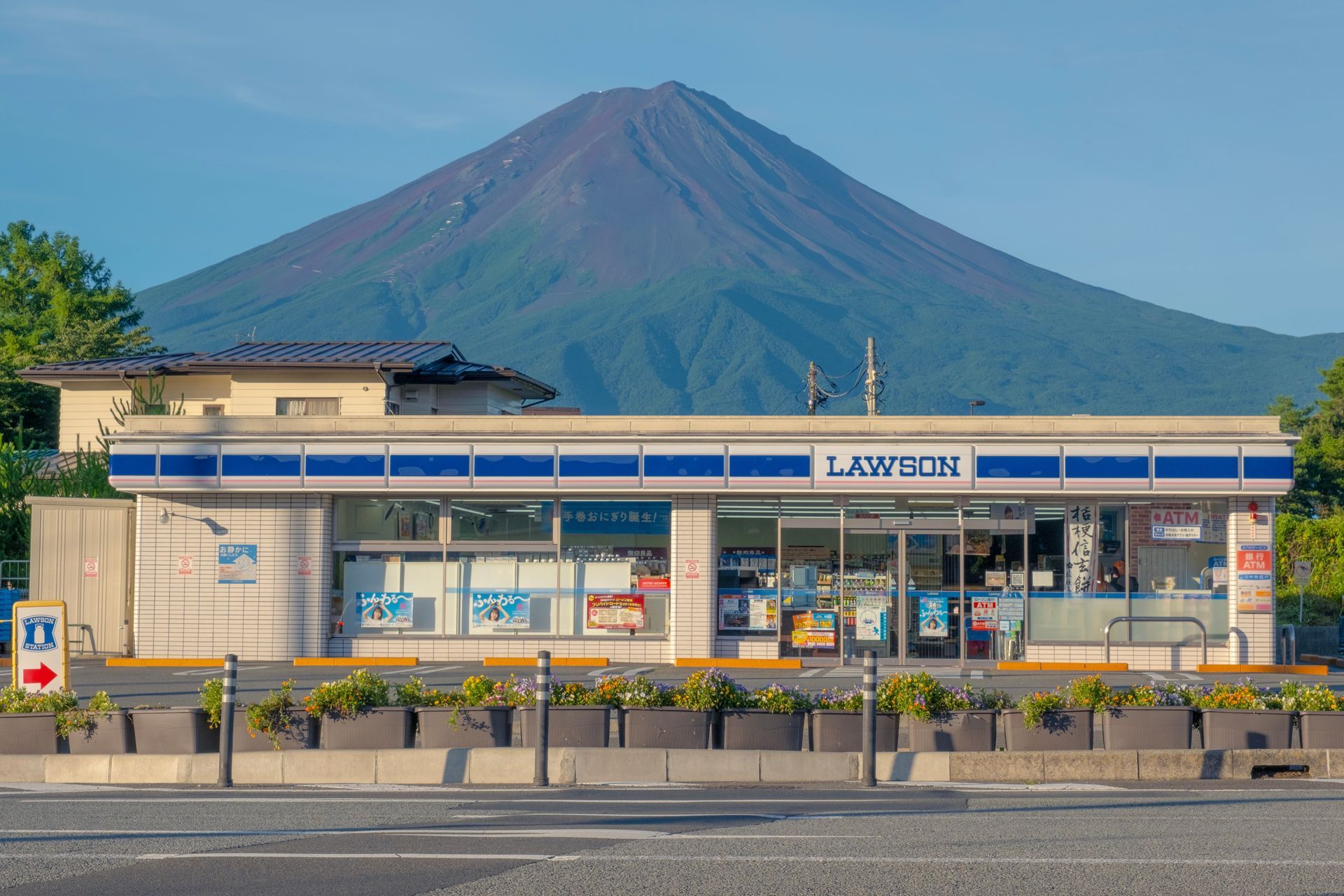
A Visibility-Based Guide for Travelers Who Want Fewer Surprises Mount Fuji is famous for appearing—and disappearing—without warning. Many travelers plan their day around a destination, only to realize too late that time of day matters just as much as location . This guide explains why Mt. Fuji behaves the way it does, and when you realistically have the best chance of seeing it. Not theory. Not averages. But patterns observed on the ground. Why Mt. Fuji Visibility Changes So Quickly Mt. Fuji stands alone at 3,776 meters, directly exposed to wind, moisture, and temperature shifts. Because of this, clouds form and move around it faster than around lower mountains. Three factors matter most: Cloud base height Wind direction Solar heating through the day Understanding how these interact is more useful than any “sunny / cloudy” forecast. Early Morning (6:00–9:00 AM): The Most Reliable Window For most of the year, early morning offers the highest visibility probability . Why Morning Works Cooler air holds less moisture Ground has not yet warmed enough to generate rising clouds Overnight winds often clear the summit This is why photographers and experienced guides start early—not for drama, but for predictability . What You’ll Typically See Clear or partially clear summit Calm lake surfaces (good reflections) Soft, directional light on Fuji’s slopes Best For First-time visitors Short day trips from Tokyo Classic north-side viewpoints (Kawaguchiko, Chureito) If your schedule allows only one timing window, choose morning . Late Morning to Early Afternoon (9:30 AM–1:00 PM): The Transition Zone This period is the most misunderstood. Fuji may still be visible—but conditions become unstable . What Changes Sun warms the land → warm air rises Moisture gathers along Fuji’s mid-slopes Clouds begin forming unevenly Visibility during this window depends heavily on wind direction . When It Still Works Strong north or west winds Winter and late autumn Drier days with high cloud base (>2,800m) When It Fails Summer humidity South winds pushing moisture inland “Sunny” forecasts without wind movement This is the window where flexibility matters most. Afternoon (1:30–4:30 PM): The Least Reliable, but Not Useless By afternoon, Fuji is often partially or fully hidden , especially in warmer months. But this does not mean the afternoon is always a loss. Typical Afternoon Conditions Clouds wrap around mid-to-upper slopes Summit disappears, reappears briefly Visibility becomes momentary rather than continuous When Afternoon Can Still Be Worth It Winter (cold, dry air) Strong clearing winds Western or southern viewpoints with open horizons Afternoons reward patience , not expectation. Seasonal Differences Matter More Than Most People Realize Winter (Dec–Feb) Highest clarity of the year Visibility can remain all day Cold air produces sharp ridgelines Best season for flexibility. Spring (Mar–May) Excellent mornings Clouds form earlier as temperatures rise Sakura season still favors early starts Summer (Jun–Sep) Lowest overall visibility Morning window often short (sometimes <1 hour) Afternoon visibility is rare Autumn (Oct–Nov) One of the most balanced seasons Clear mornings, structured cloud movement Excellent for photographers A Practical Rule We Actually Use Instead of asking “Will Mt. Fuji be visible today?” A better question is: “When is my best window—and how flexible am I?” In practice: Morning = plan primary viewpoints Midday = adjust location, not expectation Afternoon = shift focus to atmosphere, not summit This mindset avoids disappointment. Why Time Matters More Than “Famous Spots” Many iconic viewpoints fail simply because visitors arrive too late . A quiet lake at 8:00 AM often outperforms a famous pagoda at 1:00 PM. This is why experienced planners: Choose timing first Then choose the side of the mountain Then select specific spots Not the other way around. How We Plan Days Around Visibility When designing Mt. Fuji routes, we do not lock everything in advance. We: Monitor cloud base and wind the night before Adjust the order of stops, not just locations Choose sides of Fuji that match the day’s conditions This flexibility often turns an “uncertain day” into a successful one. Final Thought Seeing Mt. Fuji is not about luck. It is about timing, expectation, and adaptability . The mountain rewards those who arrive early— and understand when to wait, move, or let go. Suggested Reading Photographing Mt. Fuji: Part 1 — North Side Fuji from the West — Quiet Lakes & Wild Shores Fuji from the South — Open Plateaus & Rural Landscapes
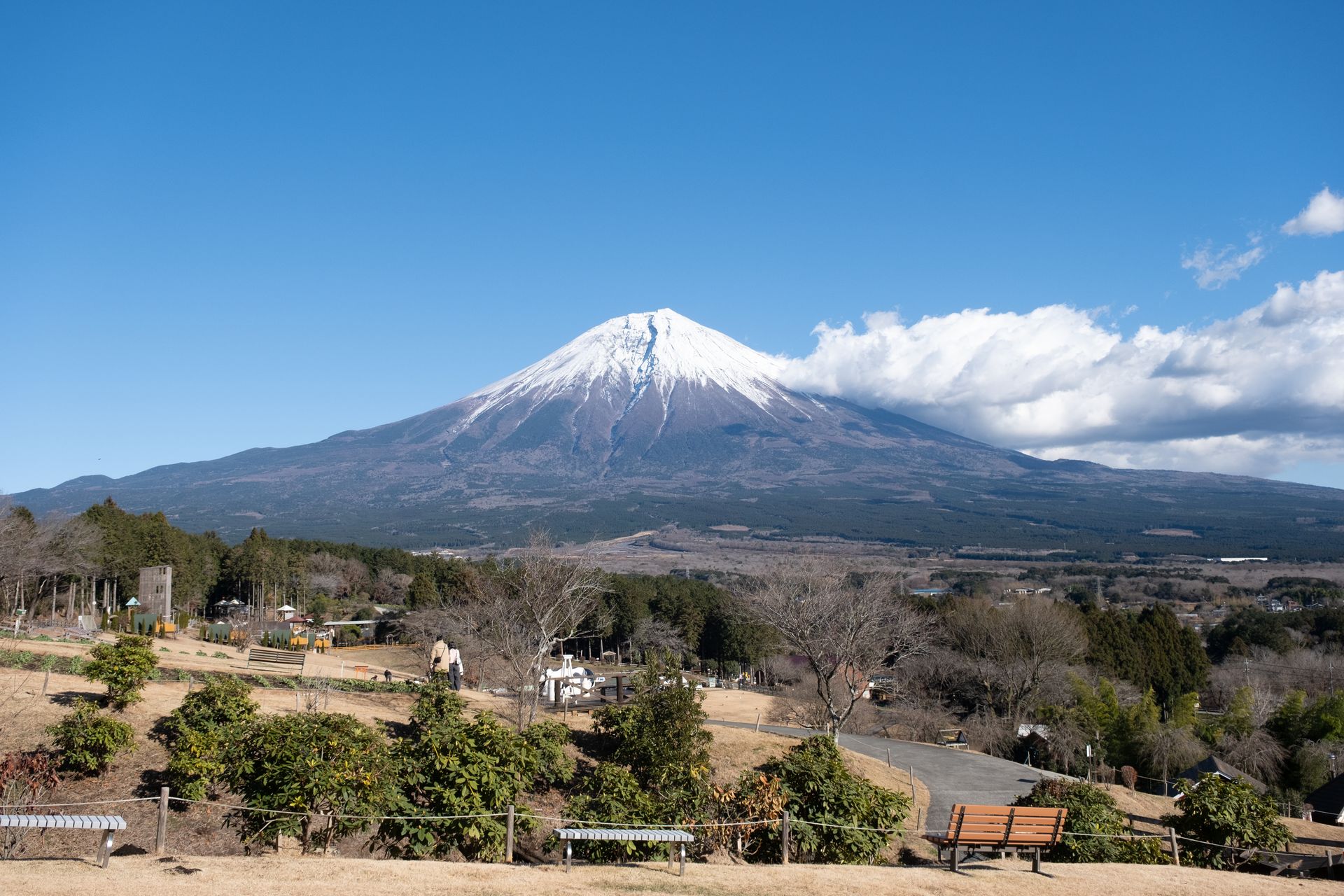
📸 Photographing Mt. Fuji: Part 3 Fuji from the South — Open Plateaus, Rural Landscapes, and Wide Horizons Mount Fuji does not always rise from lakes or pagodas. From the south, the mountain stands against open land, wide sky, and working countryside —a perspective that feels less curated and more lived-in. This is the side of Fuji that many travelers never see. Yet for photographers and slow travelers, it may be the most honest. 🌾 1. Asagiri Plateau — Where Fuji Meets the Pasture Address (EN): Asagiri Kogen, Fujinomiya, Shizuoka Address (JP): 静岡県富士宮市朝霧高原 Asagiri Plateau spreads wide and quiet beneath Fuji’s southwestern slopes. Here, the mountain rises over grassland and grazing fields, with fences and farm roads tracing the landscape. Unlike Kawaguchiko’s framed compositions, Asagiri offers horizontal space . Fuji appears larger, but also more distant—anchored in a living rural environment. Weather Insight Cloud Base above 2,500–3,000m → full summit visibility North or west winds → clearer conditions Morning fog sometimes forms in spring and autumn, lifting by 8:00–9:00 AM Photography Notes Wide lenses (24–35mm) emphasize the open plains Telephoto compresses the pasture layers and mountain ridges Late afternoon side light reveals texture on Fuji’s slopes 🐑 2. Makaino Farm — Human Scale Against the Mountain Address (EN): 1327-1 Ueno, Fujinomiya Address (JP): 静岡県富士宮市内野1327-1 Makaino Farm is one of the rare places where Fuji feels integrated into daily life. Children play on wooden structures, sheep wander near fences, and visitors move freely across gentle hills. Fuji is not isolated here. It becomes a background presence , quietly defining the horizon. Weather Insight Southwest-facing terrain often maintains stable visibility Cloud Base above 2,500m typically reveals the summit Partial cloud cover still produces atmospheric compositions Photography Notes Foreground subjects (people, swings, fences) create scale Mid-range focal lengths (35–70mm) balance subject and mountain Wind adds movement to grass and clouds—use faster shutter speeds 💧 3. Shiraito Falls — Water, Forest, and a Hidden Fuji Frame Address (EN): 273-1 Kamiide, Fujinomiya Address (JP): 静岡県富士宮市上井出273-1 Shiraito Falls is not a Fuji viewpoint in the classic sense. Instead, it offers context —cool forest air, layered cascades, and volcanic rock formed by Fuji’s eruptions. From select trails and parking areas, Fuji appears faintly above the forested ridges. It feels distant and geological, a reminder that the mountain shaped this landscape. Weather Insight Works well even with partial cloud cover Cloud Base above 2,000–2,500m often sufficient for silhouette views After rain, humidity increases mist and atmosphere Photography Notes Use longer exposures for waterfalls (ND filter recommended) Wide lenses for forest depth; telephoto for layered ridges Cloudy days provide soft, balanced light 🍃 4. Asagiri Food Park & Rural Roads — Everyday Fuji The southern side is dotted with farms, roadside cafés, and local food facilities. From simple roadside pullouts, Fuji rises above barns, greenhouses, and tractors. These scenes feel documentary rather than scenic. For some photographers, this is Fuji at its most authentic. Photography Notes 35–50mm focal lengths create a documentary feel Include roads, fences, or farm buildings for narrative context Early morning or late afternoon light adds depth and texture 🌤 South Side Weather Summary Best seasons: autumn, winter, early spring Ideal cloud base: 2,500–3,000m Morning fog: possible on the plateau, usually lifts by 8–9 AM Wind: north/west wind clears the mountain; south wind brings moisture Compared to the north, the south often feels less crowded but less predictable —a trade-off many slow travelers prefer. 🚗 Transportation Insight Public transportation in the south is limited. Buses are infrequent, and locations are widely spaced. Taxi: practical for short hops Rental car: flexible but navigation required Charter: ideal for photographers and multi-location schedules Flexibility is the key advantage here—waiting for light, changing viewpoints, and leaving when the atmosphere shifts. 🧭 How the South Completes the Fuji Experience North: framed, iconic, approachable West: quiet, layered, atmospheric South: open, rural, expansive Each side reveals a different personality of Fuji. The south is where the mountain feels less staged—and more present. Final Thoughts From the south, Mt. Fuji is not a postcard. It is a backdrop to daily life, agriculture, wind, and open land. For travelers seeking space, calm, and a slower rhythm, this is where Fuji feels most real.
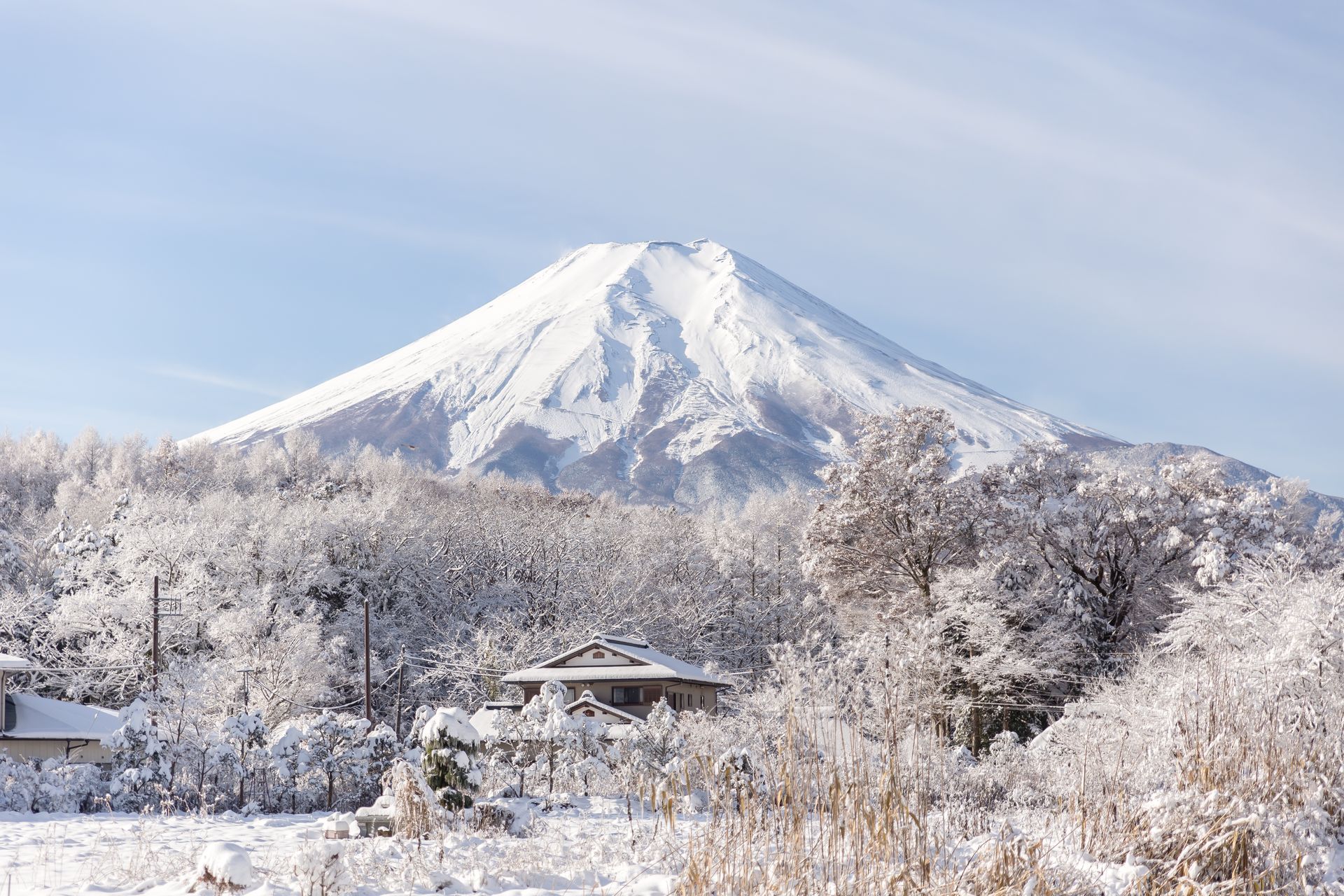
Which Side of Mt. Fuji Should You Visit? North vs West vs South — A Practical Guide to Choosing the Right View Mount Fuji is not a single view — it is a mountain with many personalities. Travelers often ask, “Where is the best place to see Mt. Fuji?” The honest answer is: it depends on what you value most — reliability, atmosphere, solitude, or photographic depth. This guide compares the north, west, and south sides of Mt. Fuji , not as sightseeing checklists, but as distinct landscape experiences . By the end, you should know which side aligns best with your travel style — and why. Why Mt. Fuji Looks Different From Every Side Mt. Fuji stands alone, but its surroundings change dramatically by direction. North opens toward lakes and towns West leans into forests, highlands, and distance South spreads into wide plateaus and rural farmland These differences affect: how often the summit is visible how crowded viewpoints feel how the mountain fits into the landscape Choosing the “right” side is less about popularity — and more about expectation management . The North Side: Classic, Gentle, and Reliable The north side (Kawaguchiko, Oshino, Fujiyoshida) is where most first-time visitors go — and for good reason. Here, Fuji appears framed rather than isolated . Lakes reflect it. Pagodas balance it. Towns give it scale. What the North Side Does Best Highest overall chance of seeing Fuji on a short trip Iconic compositions: lake + mountain, pagoda + mountain Easy access from Tokyo How It Feels Familiar and welcoming Structured but not overwhelming Ideal for first encounters with Fuji Best For First-time visitors Families and mixed-age groups Travelers with one day from Tokyo The north side is not about surprise — it’s about confidence . The West Side: Quiet, Wild, and Photographer-Oriented The west side (Motosu, Shoji, Saiko, Mitsutoge) feels different almost immediately. Here, Fuji is less framed and more earned . Views open slowly. Forests dominate the foreground. Silence replaces crowds. What the West Side Does Best Strongest sense of solitude Exceptional light and reflection conditions Deeper, more layered compositions How It Feels Unhurried Atmospheric rather than dramatic Rewarding patience over efficiency Best For Photographers Repeat visitors Travelers who value quiet over checklists On the west side, Fuji does not announce itself — it reveals itself . The South Side: Open Horizons and Rural Fuji The south side (Makaino Farm, Asagiri Plateau) is often overlooked — which is exactly why it works. Here, Fuji stands against open pasture and sky , not water or buildings. The experience is grounded, spacious, and distinctly rural. What the South Side Does Best Wide, uncluttered views Fewer crowds, even in peak seasons Strong sense of scale and distance How It Feels Calm and breathable Less “touristic,” more lived-in Ideal for slow travelers Best For Couples seeking a relaxed pace Travelers who prefer open landscapes Guests returning to Fuji after seeing the classics The south side is where Fuji feels present , not posed. Which Side Is Right for You? If your priority is “I want to see Fuji clearly” → Choose North If your priority is “I want a meaningful, quiet experience” → Choose West If your priority is “I want space, air, and countryside” → Choose South There is no universal “best side.” There is only the side that fits how you travel. A Note on Weather — and Why Side Choice Matters Visibility around Mt. Fuji is not random. Different sides respond differently to: cloud base height wind direction seasonal moisture This is why experienced planners rarely lock into a single viewpoint. Instead, they choose a side first , then adjust locations within that side. That flexibility is often the difference between: “We didn’t see Fuji today” and “Fuji appeared exactly when it needed to” How We Design Routes Around the Mountain When we plan a Mt. Fuji day, we don’t ask: “Which spot is famous?” We ask: What time does the guest arrive? How flexible is the schedule? What kind of experience are they actually seeking? Only then do we decide which side of the mountain makes sense . Because Mt. Fuji is not a single destination. It is a landscape that rewards the right approach. Final Thought Mt. Fuji does not look the same from everywhere — and it shouldn’t. Choosing the right side is not about seeing more. It’s about seeing better .
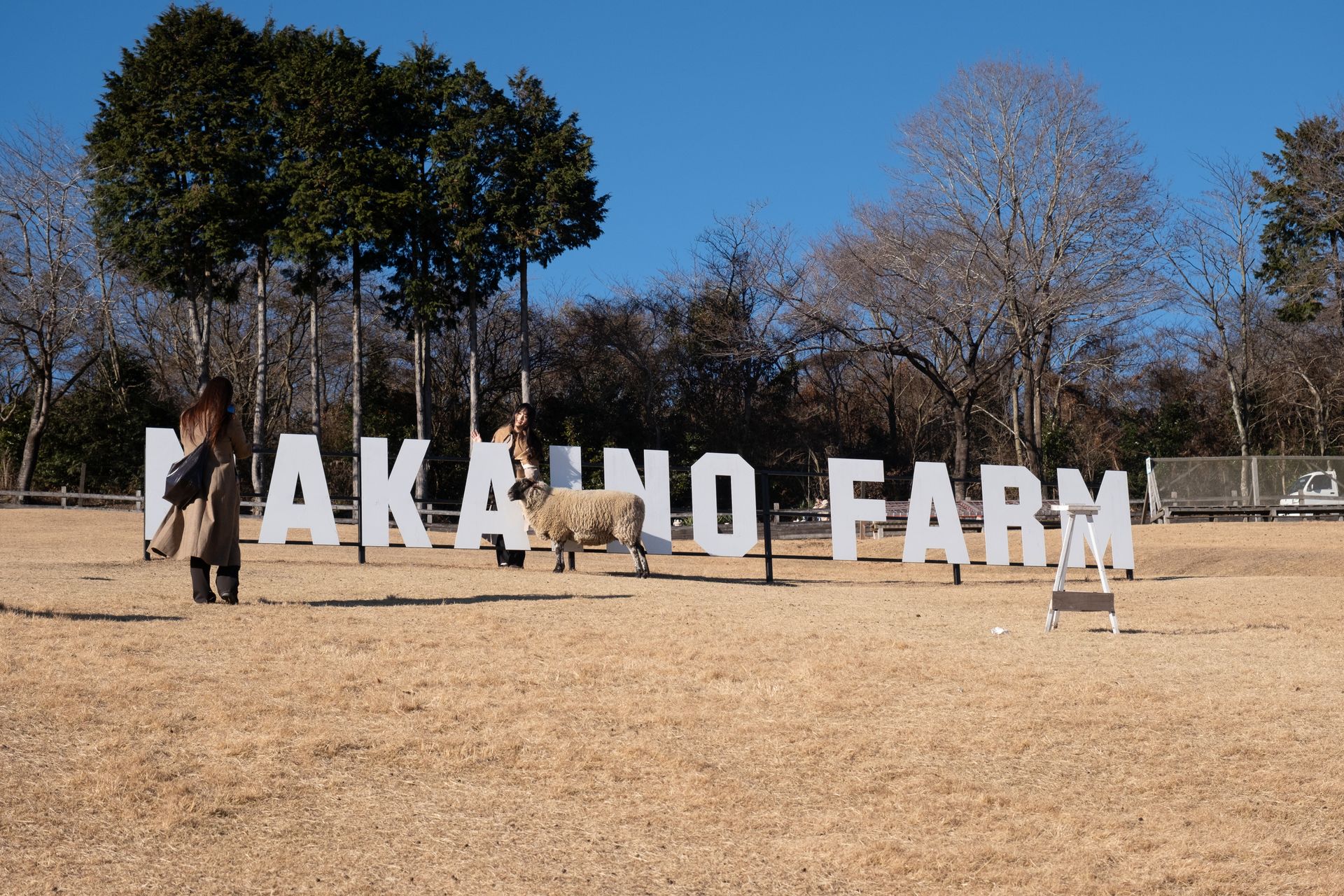
Makaino Farm: A Gentle Countryside Escape Near Mt. Fuji Why This Pasture Has Become a Quiet Favorite Among Photographers Makaino Farm is not the kind of place that announces itself. There are no dramatic entrances, no marked viewpoints telling visitors where to stand, and no pressure to capture a single iconic shot. Instead, there is open land, steady wind, and Mt. Fuji appearing when the timing feels right. For photographers and slow travelers, this is exactly the appeal. Makaino Farm offers a version of Mt. Fuji that feels grounded and unforced — where the mountain exists as part of a living landscape rather than a staged destination. A Place That Is Used, Not Just Viewed Makaino Farm reveals itself through movement rather than spectacle. Children climb wooden structures without instruction. Adults pause at the edge of the grass, not because they are told to, but because the space invites them to slow down. A wooden observation tower stands quietly in the pasture. It is not treated as a landmark. Some climb it. Others walk past it. No one queues, and no moment feels scheduled. This is one of the first signs that Makaino Farm is not designed to control experience. It allows it. Walking Through Makaino Farm Walking through Makaino Farm feels less like following a route and more like drifting through open ground. The pasture slopes gently, and the sense of space expands almost immediately after entering. Mt. Fuji does not dominate the view at first. It appears gradually — between distant hills, above low fences, beyond stretches of grass. Visitors tend to stop instinctively, adjusting their position rather than searching for a perfect angle. This freedom is what many photographers appreciate most. There is no fixed composition here. The landscape responds differently depending on light, wind, and how long one is willing to wait. Where People Naturally Stop There is a low wooden platform near the edge of the pasture. It is not labeled as a viewpoint, yet people keep finding their way there. Some sit quietly. Some lift an arm toward Mt. Fuji without realizing they are doing it. Others simply look, without taking a photo at all. From this spot, Fuji feels balanced rather than overwhelming. The open land below and wide sky above give the mountain space to breathe. For many visitors, this becomes the moment they remember — not because it is dramatic, but because it feels honest. Popular Photo Angles at Makaino Farm Makaino Farm does not hide its photo spots, but it does not exaggerate them either. The most popular angles here have emerged naturally through use, not design. The Wooden Frame Viewpoint A large wooden frame marked MAKAINO FARM faces directly toward Mt. Fuji. Unlike artificial viewing decks, this frame works because it does not isolate the mountain. It places Fuji within its rural surroundings, keeping the foreground grounded and real. The Swing with Mt. Fuji Behind The swing is one of the farm’s most photographed features. Shot from a slight angle, it creates a gentle contrast between motion and stillness. The image feels playful, but not performative. Clear mornings and early afternoons produce the cleanest results. Seasonal Installations Occasionally, seasonal photo installations such as heart-shaped frames appear on the grounds. Positioned away from the main flow of visitors, they feel optional rather than mandatory. Used sparingly, they provide context without distracting from the landscape. Open Grass and Human Scale Some of the strongest photographs here are the simplest: a person walking, sitting, or standing against the wide pasture, with Mt. Fuji quietly anchoring the background. These images work because nothing competes for attention. Details That Break the Pattern Between wide landscapes, small details matter. A sheep pauses close to the camera. Wind moves through dry grass. Footsteps slow without reason. These moments do not replace Mt. Fuji — they soften it. In photographs, they provide rhythm and prevent the experience from becoming visually repetitive. Seasonal Light and Atmosphere Spring brings fresh green grass and lingering snow on Fuji’s upper slopes. Winds are more frequent, but visibility is often crisp. Summer fills the pasture with deep greens. Clouds gather more easily around the mountain, yet they add movement rather than obstruction. Autumn is subtle. There are no dramatic colors, but the air becomes clear and dry, sharpening Fuji’s ridgelines. Winter is cold and quiet. On clear days, the mountain’s shape is at its most precise, and visitors are few. Weather & Visibility: A Practical Perspective From its southwest-facing position, Makaino Farm often enjoys stable viewing conditions when cloud bases remain above 2,500 meters. North or west winds tend to improve clarity, and early cloud cover often thins gradually rather than forming suddenly. Compared to the northern lakes, visibility here feels less like a gamble. Even partial views can produce atmospheric, usable photographs. Visiting Without Pressure Public transportation is possible but limited, especially for those hoping to move flexibly with weather and light. Driving allows more freedom, particularly if pairing Makaino Farm with nearby areas such as the Asagiri Plateau or Shiraito Falls. Many photographers and families choose private transportation not for luxury, but for ease — the ability to wait, adjust, and leave when the moment feels complete. Makaino Farm rewards flexibility more than efficiency. A Quiet Kind of Mt. Fuji Makaino Farm does not frame Mt. Fuji for you. It gives you space, and allows the mountain to appear on its own terms. For many visitors, this is when Fuji feels less like a destination — and more like a presence.
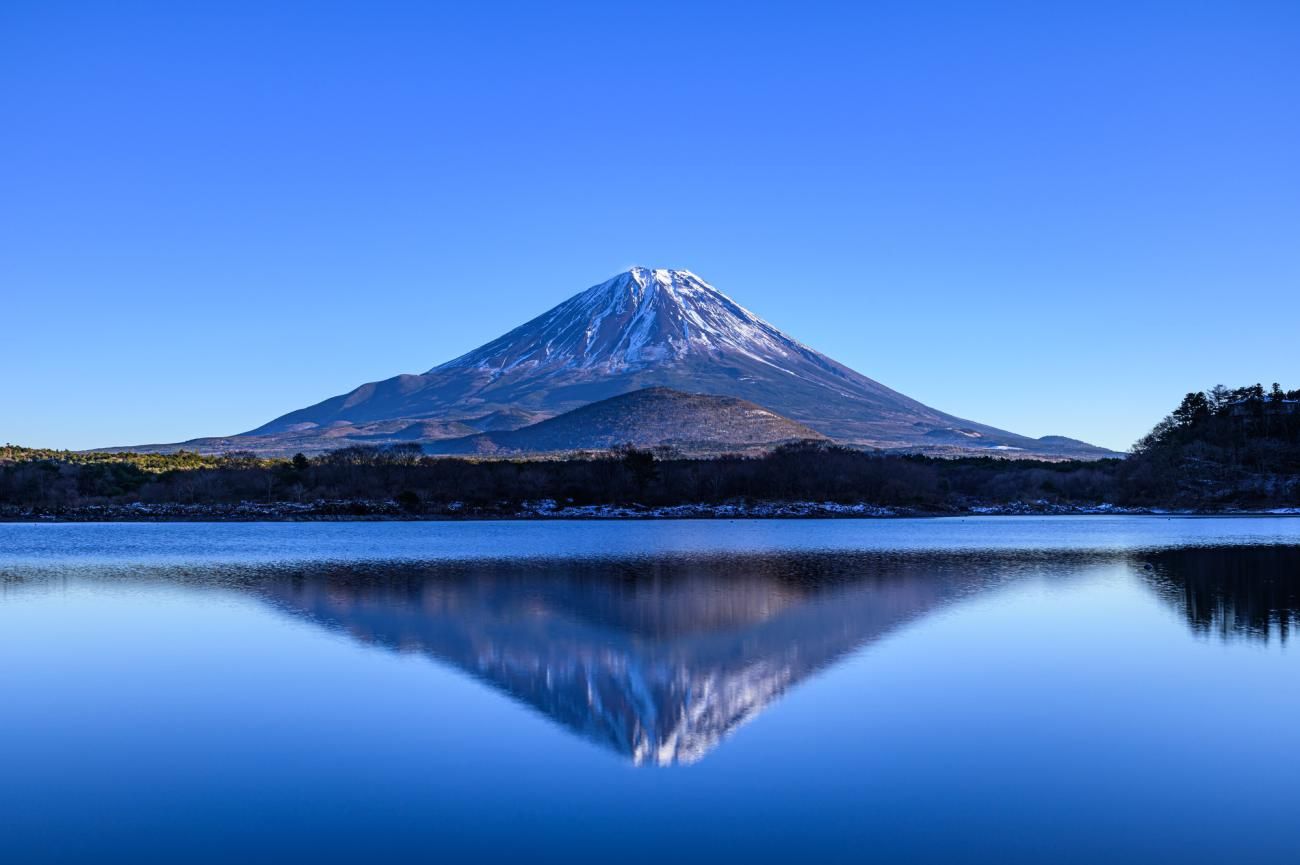
🌊 1. Lake Shoji(Shojiko) Address (EN): Shoji, Fujikawaguchiko, Yamanashi Address (JP): 山梨県南都留郡富士河口湖町精進 Lake Shoji is the smallest of the Fuji Five Lakes, but also one of the most intimate. If Kawaguchiko feels open and familiar, Shojiko feels secluded, like a quiet clearing in the forest. The lake often rests in stillness during the early morning, surrounded by deep green slopes and a silence that seems to fall over the entire basin. From many angles, Fuji rises softly above the hills behind the lake, creating a gently layered composition—foreground forest, mid-distance hills, and the mountain emerging beyond them. On calm days, the lake mirrors the sky so clearly that Fuji appears twice: once in the air, and once in the water. Weather Insight Shoji’s basin shape traps moisture, producing some of the region’s most beautiful morning conditions. Calm wind under 2 m/s → high chance of reflections. Cloud Base above 2,500m → full visibility of the summit. Morning mist appears often in early summer and autumn, usually lifting around 7:30–8:00 AM . Because the lake is small, temperature changes rapidly—fog can form and vanish within minutes. Transportation Insight Bus routes reach Shoji but infrequently. Taxi is reliable for sunrise sessions or jumping between Saiko → Shoji → Motosu. Charter is ideal here, especially when scanning multiple lakes for the best light. Photography Notes Wide angles emphasize the quiet scale of the lake; telephoto isolates the layered hills. The shoreline near the campgrounds provides some of the cleanest reflections. Shojiko is especially beautiful when Fuji is half-hidden behind drifting fog. 🌅 2. Lake Motosu(1000 Yen View) Address (EN): Near Koan Campground, Motosu, Minobu, Yamanashi Address (JP): 山梨県南巨摩郡身延町本栖 浩庵キャンプ場周辺 Of all Fuji’s lakes, Motosu has the deepest blue—so deep that it almost looks painted. This is the lake printed on Japan’s 1000 yen bill, and when you stand on its shore, you realize why: Fuji rises above it with a clarity and dignity that feels timeless. Motosu’s waters drop sharply, making the lake unusually transparent and still. On cold mornings, the surface becomes polished glass, holding a near-perfect mirror of Fuji. The symmetry is striking—so precise that the mountain seems to float. Season Highlight Late autumn and early winter bring the best reflections. Cold air + no wind = mirror-like conditions around sunrise. Weather Insight Cloud Base above 2,600–3,000m → ideal for full mountain visibility. Wind under 1.5 m/s → reflection window. Temperature inversion in winter produces exceptionally clear air. Western Fuji often forms a lenticular cloud cap—beautiful, but unpredictable. Transportation Insight Access is more limited than other lakes; buses are infrequent. Taxi or charter is strongly recommended, especially before sunrise. Charter is preferred by most serious photographers due to the distance between viewpoints. Photography Notes Sunrise is the most dramatic moment. Use a tripod with a remote trigger to maximize reflection sharpness. Try shifting left or right along the shoreline to match the composition of the 1000 yen bill—many photographers enjoy finding their own variation. 🌫 3. Lake Saiko – Western Shore Address (EN): Saiko Lake, Fujikawaguchiko, Yamanashi Address (JP): 山梨県南都留郡富士河口湖町西湖 Saiko is a lake of moods. The forests surrounding it are denser, the shadows deeper, and the atmosphere quieter than the wider-open lakes of the north. Fuji appears slightly farther away here, but the perspective gives the mountain a calm, majestic atmosphere—especially on misty mornings. When early fog drifts across Saiko, the combination of soft silhouettes, muted water, and Fuji emerging gently behind the haze creates one of the most contemplative scenes in the region. Weather Insight Saiko often produces morning fog from spring to early autumn . Fog begins forming around 4–5 AM and disperses by 7–8:30 AM . Cloud Base above 2,500m keeps Fuji visible above the lower clouds. Wind rotates slowly within the basin—wait 10–15 minutes for clearer conditions. Transportation Insight Buses access Saiko, but the best western viewpoints require walking. Taxi is efficient for lake-to-lake transitions. Charter allows inclusion of hidden forest edges and viewpoints inaccessible by public transit. Photography Notes Misty conditions suit longer focal lengths. Reflections are rare but possible on windless days. Saiko is excellent for moody, atmospheric images rather than dramatic clarity. YUGA KURITA 2014 ⛰ 4. Mitsutoge Mountain(三つ峠山) Address (EN): Mitsutoge Trailhead, Narisawa, Minamitsuru, Yamanashi Address (JP): 山梨県南都留郡鳴沢村 三ツ峠登山口 Mitsutoge is one of the great Fuji viewpoints—a place long favored by professional photographers, painters, and even early mountaineers. From the summit ridgeline, Fuji rises across a vast sweep of forest, valleys, and small towns. The composition is grand but serene, powerful but not overwhelming. The climb is steady and moderate, and the reward is a clear, elevated perspective that shows Fuji in its full scale. On cloudless mornings, the mountain seems to glow. On hazy days, the entire landscape softens into gentle layers. Weather Insight Cloud Base above 2,800m is ideal due to the high vantage point. Autumn and winter provide the clearest conditions. Mountain winds can shift quickly; Fuji may reappear within minutes after disappearing. Cold air at altitude produces crisp edges on the mountain’s ridges. Transportation Insight Bus access to trailhead is limited; taxis are common for early hikes. Charter is excellent for sunrise hikes or multi-day photography routes. The trail requires proper footwear and preparation—especially in winter. Photography Notes Wide-angle lenses capture Fuji with the surrounding valley. Telephoto lenses emphasize the mountain’s ridge lines and shadow textures. Sunset produces long, dramatic shadows across the forest below. 🌤 West Side Weather Summary Best visibility: autumn and winter Ideal cloud base: 2,500–3,000m Mist windows: Shoji (7–8 AM), Saiko (6–8 AM) Reflection likelihood highest at Motosu with wind under 1.5 m/s Western Fuji may form lenticular clouds more often than north-facing slopes 🚕 West Side Transportation Summary Buses exist but are infrequent Taxis are the most flexible for lake-to-lake movement Charter services allow full control over timing and location—important due to the fast-changing western weather Hiking routes like Mitsutoge require planning and early departure Closing Note If the north side of Fuji offers balance and familiarity, the west side offers solitude and depth. Here, the mountain feels more ancient—its slopes more textured, its lakes more reflective, its mornings more unpredictable. For photographers, the west is where Fuji becomes a landscape of patience and discovery. Our journey continues southward next, where the mountain opens into plateaus, farmlands, and wide horizons.
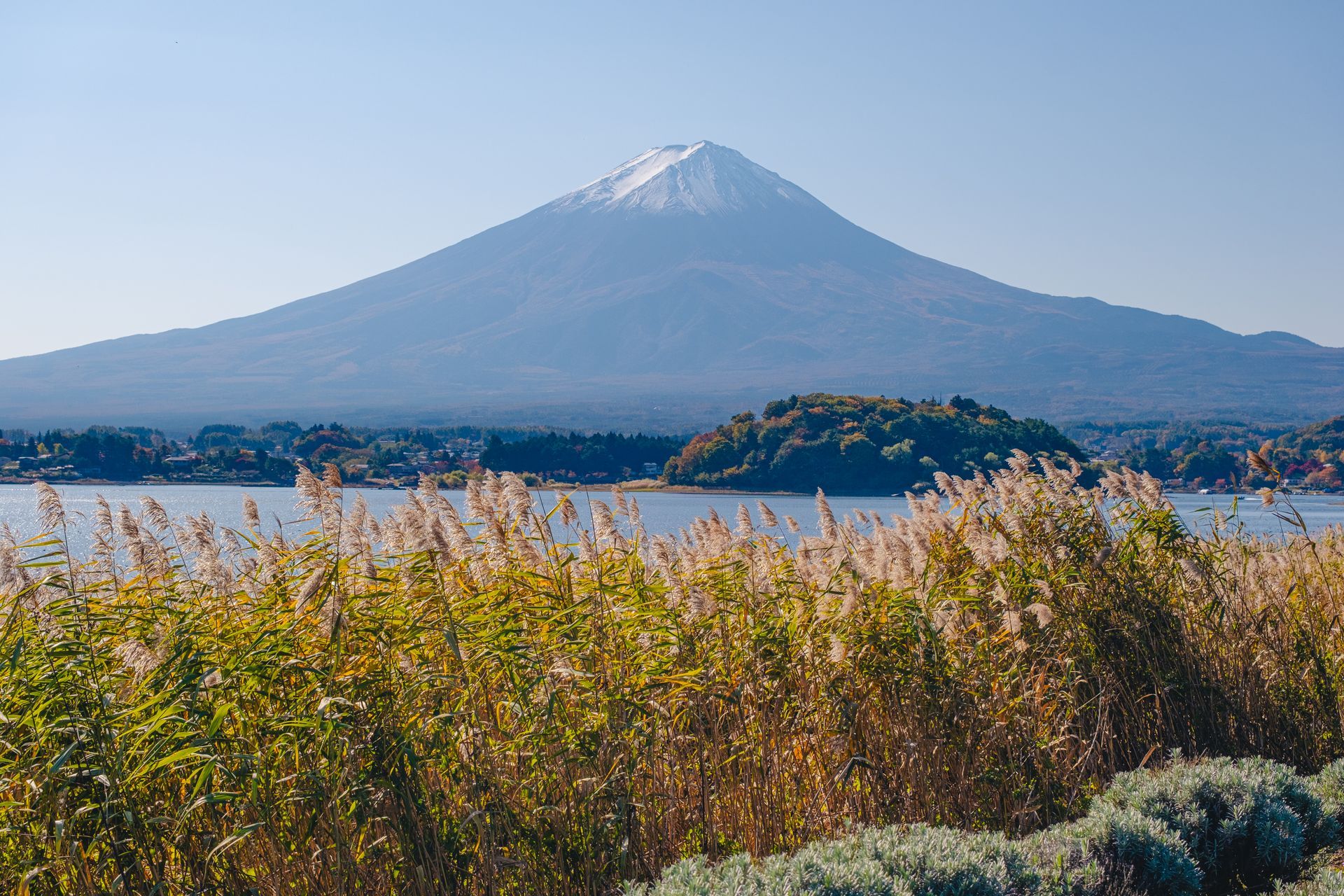
🌅 1. Lake Kawaguchi – The North Shore (Oishi Park Area) Address (EN): Oishi Park, Oishi, Fujikawaguchiko-machi, Yamanashi Address (JP): 山梨県南都留郡富士河口湖町大石 Lake Kawaguchi’s northern shoreline is one of Fuji’s calmest stages. On quiet mornings, the lake acts like a mirror waiting to decide what it will reveal. If you arrive around sunrise, you may watch Fuji gradually take shape from the haze—an outline becoming form, becoming presence. Seasonal changes here are dramatic. In winter, the lake is still and pale. In summer, lavender fields color the shoreline. But perhaps the most magical moment comes in mid-April during the Kawaguchiko Cherry Blossom Festival. Tens of cherry trees bloom along the path, forming a soft pink frame around the lake, with Fuji rising quietly behind them. Weather Insight Cloud Base above 2,200–2,500m generally ensures visibility. North wind brings clearer skies; south wind pulls moisture toward Fuji. Humidity between 60–70% creates soft, atmospheric haze ideal for sakura photography. Reflection is most likely when wind is under 2 m/s. Morning mist usually lifts between 8:30–9:30 AM. Transportation Insight Cycling is ideal along the flat lakeside. Local buses are available but crowded during cherry blossom season. Taxis are useful for time-sensitive shoots. Charter vehicles help greatly during festival weeks when parking is limited. Photography Notes Morning sidelight adds gentle structure to Fuji’s slopes. Use a polarizer lightly to preserve atmosphere. Walk a few minutes away from Oishi Park for quieter compositions. 🍁 2. Momiji Corridor(Maple Corridor) Address (EN): Near Kawaguchiko Museum of Art, Kawaguchi Area Address (JP): 山梨県南都留郡富士河口湖町河口 The Momiji Corridor is a place where autumn lingers. In late October through mid-November, maple leaves turn deep red and warm gold, forming an illuminated canopy over the narrow stream. Light moves slowly here, drifting across water and rock, creating one of the region’s most atmospheric scenes. Fuji appears only from select angles, but when it aligns with the canopy of red leaves, the image becomes iconic—warm foreground, cool mountain, and a sense of seasonal depth. Season Highlight Peak foliage usually occurs from late October to mid-November. Morning sunlight filtering through the leaves adds a soft glow ideal for photography. Weather Insight Autumn provides some of the year’s clearest visibility. North winds clean the upper atmosphere, revealing Fuji with exceptional clarity. Cloud Base around 2,500–3,000m offers optimal mountain visibility. Clouds may accumulate around midday—morning is best. Transportation Insight Walking is ideal within the Corridor. Buses are convenient from the museum area. Taxis help with quick transitions to the lakeshore. Charter is best for combining this location with others such as Saiko or Chureito. Photography Notes Telephoto lenses (70–135mm) compress leaves and mountain effectively. Explore deeper sections to avoid crowds. 🛕 3. Chureito Pagoda(Arakurayama Sengen Park) Address (EN): 2-4-1 Asama, Fujiyoshida Address (JP): 山梨県富士吉田市浅間2-4-1 The walk to Chureito Pagoda feels like a small pilgrimage. After climbing 398 steps, the pagoda rises before you, elegant and deliberate, while Fuji stands perfectly centered behind it. The balance between architecture and mountain feels almost ceremonial. Spring brings cherry blossoms around the pagoda; autumn brings warm maples; winter brings cold, transparent air that reveals every ridge on Fuji’s snowy peak. Weather Insight Cloud Base above 2,300m usually reveals the summit. North wind clears Fuji’s northern face quickly. Winter mornings offer the highest clarity of the year. Summer haze often clears by late morning. Transportation Insight Train plus a short walk is typical. Taxis are excellent for early morning starts. Charter recommended for carrying equipment or visiting multiple spots. Photography Notes Best light between 8:00–10:00 AM. Mid-telephoto (85–135mm) offers ideal balance. Move slightly left for a cleaner alignment of rooflines and mountain slopes. 🕰 4. Nikawa Clock Shop(Shimoyoshida Retro Street) Address (EN): 1-6-5 Shimoyoshida, Fujiyoshida Address (JP): 山梨県富士吉田市下吉田1-6-5 This is one of Fuji’s most intimate perspectives. A quiet slope, an old clock shop, and Fuji rising beyond the rooftops create a composition that feels nostalgic and deeply Japanese. Unlike the dramatic lakes or pagodas, this viewpoint feels grounded in everyday life. Cloudy days suit this location beautifully, softening the contrast between street and mountain. Weather Insight Thin cloud cover creates natural, diffuse lighting. Cloud Base of 2,000–2,500m is usually sufficient. Works well even if Fuji is partially obscured. Transportation Insight Walkable from Shimo-Yoshida Station. Taxis are convenient when pairing with Chureito. Charter ideal for continuing into rural areas afterward. Photography Notes 35–50mm produces a natural documentary feel. Morning light or soft cloudy days provide the best results. 🎢 5. Mt. Fuji Panoramic Ropeway(Tenjoyama Park) Address (EN): 1163-1 Asakawa, Fujikawaguchiko Address (JP): 山梨県南都留郡富士河口湖町浅川1163-1 From the ropeway summit, Kawaguchiko curves below in a calm arc, and Fuji rises beyond it with quiet strength. Clouds move quickly at this altitude, offering shifting patterns of light and shadow across the mountain. Weather Insight Cloud Base above 2,500m produces crisp detail. Light west winds create dynamic cloud shadows on the slopes. Autumn afternoons often provide the most sculpted light. Transportation Insight Ropeway is the main access route. Walking trails offer quieter secondary viewpoints. Charter useful when combining the ropeway with Yamanakako or Saiko. Photography Notes Wide angle for the lake; telephoto for Fuji’s upper slopes. Continue past the viewing platform for cleaner compositions. 🛶 6. Lake Yamanaka(Swan Lake District) Address (EN): Yamanakako Village, Yamanashi Address (JP): 山梨県南都留郡山中湖村 Lake Yamanaka offers the closest and most imposing view of Fuji. At sunrise, the summit glows red before the rest of the mountain brightens—a phenomenon known as Aka Fuji. Swans drift near the shoreline, adding gentle motion to the still morning water. In winter, steam fog rises from the cold lake surface, creating fleeting, ethereal scenes that feel almost unreal. Weather Insight Sub-zero mornings create steam fog ideal for silhouettes. Cloud Base above 2,500m keeps the summit visible. Wind under 1.5 m/s increases reflection chances. Winter produces exceptional clarity due to temperature inversion. Transportation Insight Cycling is excellent for exploring the lakeside. Buses are limited at dawn. Taxis are highly practical for sunrise photography. Charter allows multi-lake sunrise schedules. Photography Notes Sunrise is the prime shooting window. Gradient ND helps control contrast. Swans provide strong foreground interest. North Side Weather Summary Best seasons: autumn, winter, early spring Ideal visibility: cloud base above 2,300–2,800m Mist clearing window: 8:30–9:30 AM Reflection conditions: wind under 2 m/s North wind often brings the clearest skyline North Side Transportation Summary Cycling: peaceful and flexible Bus: convenient but often crowded Taxi: ideal for heavy gear or sunrise windows Charter: best for multi-spot, weather-driven itineraries Closing Note The north side of Mt. Fuji offers balance—lakes, pagodas, blossoms, gentle terrain, and classic postcard views. But Fuji’s character shifts as you move west. The lakes become wilder, the forests deeper, and the mountain more dramatic. The next chapter explores that landscape: Motosu, Shoji, Saiko, and the rugged ridges of Mitsutoge.
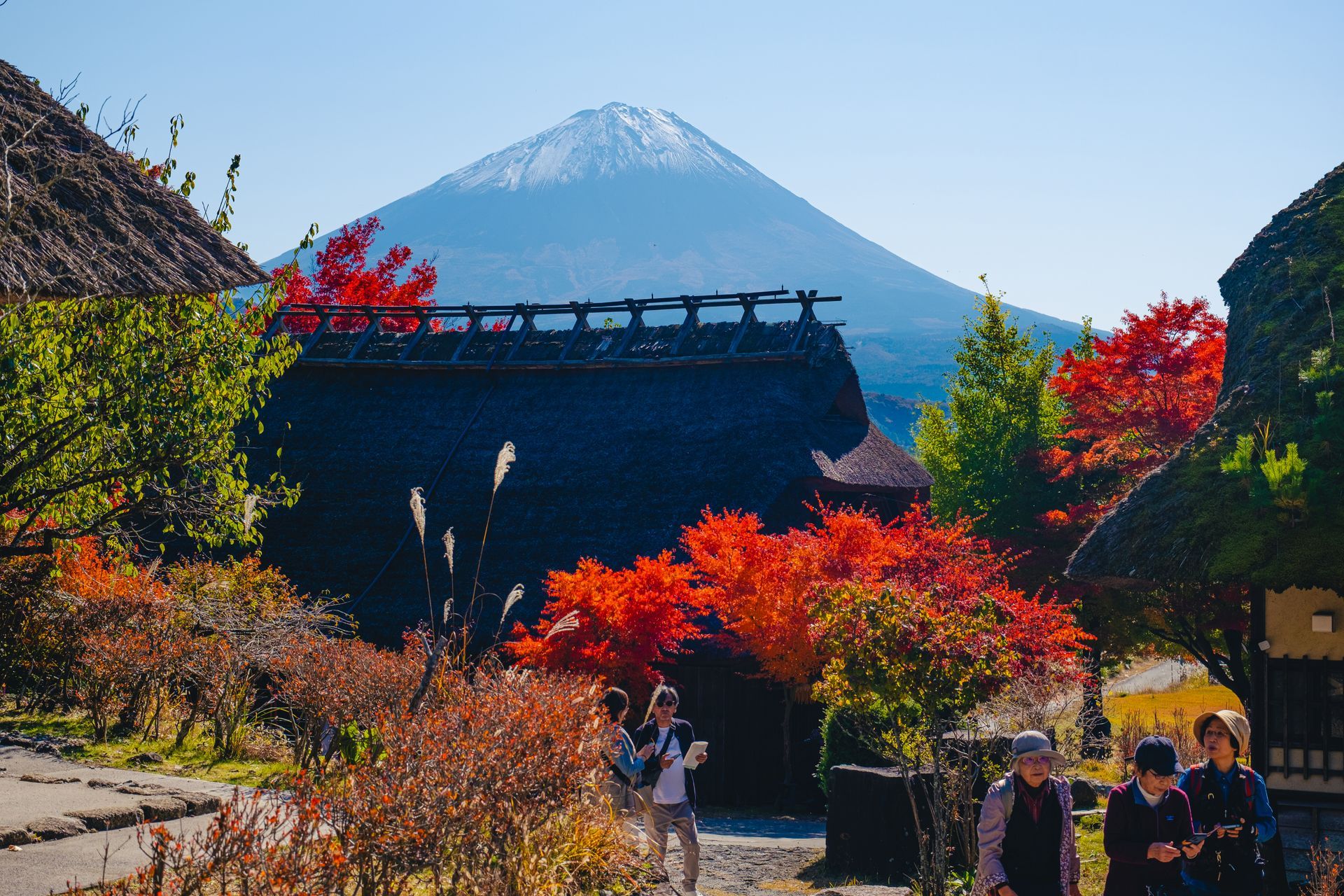
🍂 When Does Autumn Arrive at Kawaguchiko? Colors begin to shift in late October, but the true peak usually lands between early and mid-November. If you want the most stable combination of deep red maples and clear skies, the period from November 7 to 14 is consistently reliable. By late November, many leaves near the Maple Corridor begin to fall, though other parts of the lake remain colorful a little longer. Kawaguchiko is a wide area. Even if one location is slightly past its peak, another often looks just right. 🍁 The Best Places to Experience Autumn at Kawaguchiko These descriptions aren’t copied from brochures—they’re based on the feeling of actually standing there, often before most people arrive. 🍁 Maple Corridor (Momiji Corridor) Most travelers have seen photos of this place long before arriving in Japan. The Maple Corridor is a long footpath running alongside a small river, shaded by tall maple trees that arch overhead. At the height of autumn, the entire walkway glows in soft reds, oranges, and golds. The ground becomes a rustling carpet of leaves, and you’ll hear the gentle sound of the river flowing beside you. If you visit early in the morning, there’s a calmness that almost feels unreal. Shops are still closed, the air is cool and slightly damp, and sunlight slowly filters through the branches. Later in the day, the atmosphere shifts. More visitors arrive, couples wander hand in hand, photographers set up tripods, and the walkway becomes lively. Both moods have their charm, but arriving before 9 AM lets you appreciate the place in its quieter form. 🌅 Oishi Park (Oishi-koen) Oishi Park is one of the most forgiving places to photograph—almost every angle looks good. The park sits along the northern shore of the lake, giving it a wide, unobstructed view of Mt. Fuji 🗻 across the water. In autumn, the flower beds transition to deep red Kochia and warm seasonal colors that frame the lake beautifully. On calm mornings, Fuji’s reflection sometimes appears on the surface of the water. The breeze from the lake can be cold in November, but it also clears the view, giving the mountain a very crisp outline. Visitors often take their time here, walking slowly along the lakeside path or just sitting on a bench watching the scenery change with the light. 🍂 Saiko Iyashi-no-Sato Nemba This traditional thatched-roof village offers a quieter type of autumn beauty. Set against the mountains, the village is filled with old wooden houses restored to resemble a historical farming community. In autumn, the slopes behind the village turn warm shades of red and orange, creating a gentle, nostalgic backdrop. If the weather cooperates, Mt. Fuji appears directly behind the houses. On clear days, the view feels timeless—like something from a period film. Inside the houses, you can smell wood and tatami, and some workshops let you try crafts or kimono. Compared to the busier lakefront areas, this village has more space and a slower atmosphere, which many travelers appreciate. 🛕 Chureito Pagoda The well-known “red pagoda and Fuji” photo comes from here, but in person, the experience is fuller than the photograph suggests. To reach the viewpoint, you climb a long staircase—around 398 steps—but the climb itself is part of the atmosphere. You hear the city below, the wind in the trees, and the steady rhythm of other travelers climbing with you. In autumn, the trees around the pagoda turn deep red, making the contrast with the pagoda even stronger. If you visit early, you’ll find a soft, peaceful quiet at the top. Later in the day, it becomes busy, but the panoramic view of Fuji and the city is still worth the effort. 🗻 How to Check Mt. Fuji Visibility Before You Go This is one of the most important parts of planning your day. Fuji can hide behind clouds even on a “sunny” forecast, so general weather apps aren’t enough. Here’s what we actually check every morning: Live Cameras Search “富士山 ライブカメラ”. This is the most accurate method. You’ll see exactly what it looks like right now. Windy App Switch to the Cloud Base or Visibility layer. If the cloud base is low, Fuji may be hidden. Tenki.jp The Japanese weather website often predicts cloud movement better than global apps. Search “富士山 天気”. Simple local rule North wind often brings clear skies. South wind usually pushes clouds toward Fuji. 🍁 A Practical Autumn Day Trip Itinerary A smooth day depends more on timing than on how many places you visit. Here’s a plan we often use for guests: 8:00 – Leave Tokyo 10:00 – Saiko Iyashi-no-Sato Nemba 11:20 – Oishi Park 12:20 – Maple Corridor 13:30 – Lunch or café 14:30 – Chureito Pagoda 15:30 – Return to Tokyo 17:00 – Arrival (later on weekends) How to Reach Kawaguchiko Highway Bus The simplest option for most travelers. Buses from Shinjuku, Shibuya, and Tokyo Station go directly to Kawaguchiko Station. Book via HighwayBus.com or JapanBusOnline. You’ll receive a QR code—no need to print anything. Morning buses during November can sell out several days ahead, so booking early is best. For the return trip, the afternoon departures (especially 3–5 PM) fill very quickly. A round-trip ticket saves you from long queues. Getting Around the Lake After arriving at Kawaguchiko Station, you can buy a one-day pass for the sightseeing buses. Red Line Runs along the lake and stops at Oishi Park. Very popular from late morning onward. Green Line Heads toward Saiko and the thatched-roof village. Usually calmer and less crowded. Buses may run slightly behind schedule during the peak of autumn. If possible, move earlier in the day to avoid crowds. What to Wear Late October to early November feels cool, especially near the lake. By mid-November, mornings can be quite cold, and a warm jacket becomes essential. Layers are helpful because the temperature changes quickly between morning and afternoon. Final Thoughts Kawaguchiko in autumn has a rhythm of its own. The lake is calm in the morning, the maples glow in the midday sun, and Fuji appears and disappears behind drifting clouds. With a bit of timing, a good visibility check, and a willingness to explore beyond the busiest hour, your day here can feel unforgettable.
