Oshino Hakkai |Sacred Springs, Living Villages, and the Spiritual Gateway to Mt. Fuji
Oshino Hakkai
Sacred Springs, Living Villages, and the Spiritual Gateway to Mt. Fuji
Oshino Hakkai lies quietly between
Lake Kawaguchi and
Lake Yamanaka,
at the northern foot of
Mount Fuji.
At first glance, Oshino Hakkai appears simple:
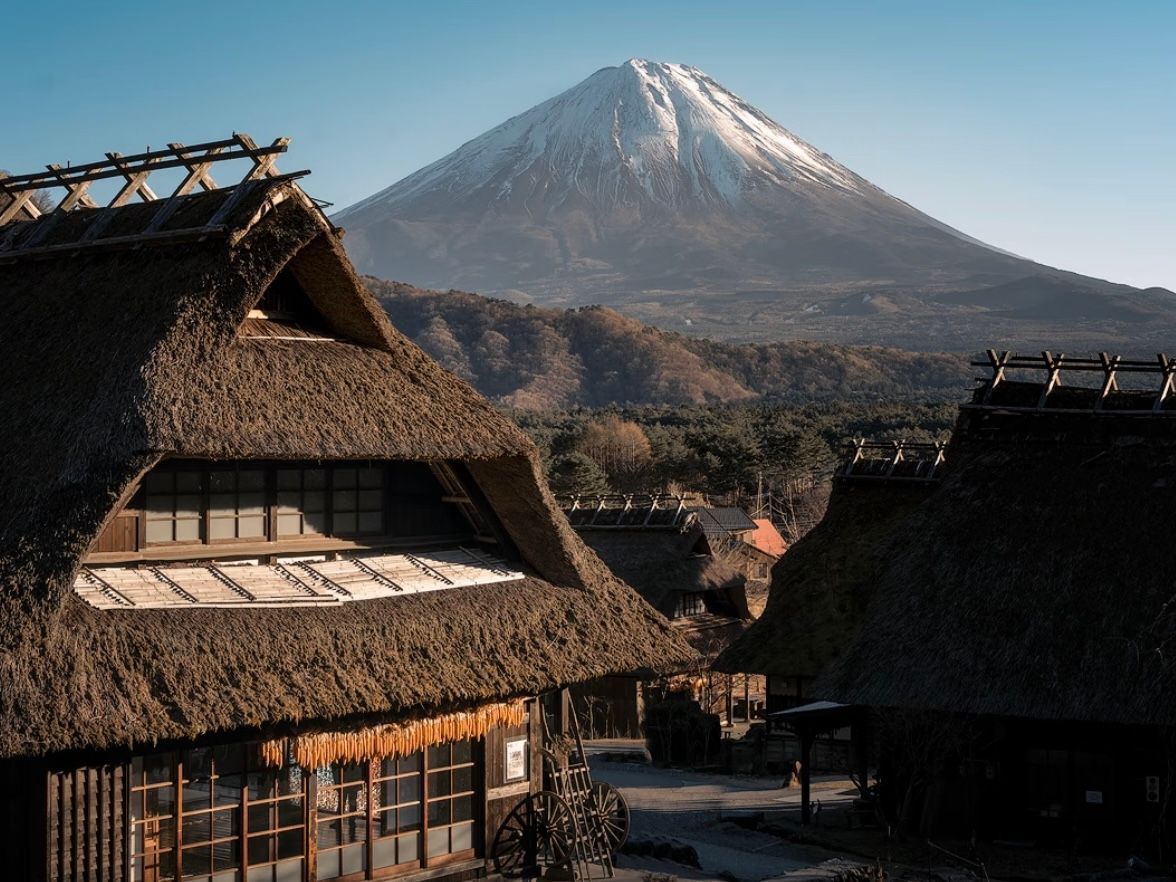
clear spring ponds, thatched-roof houses, souvenir stalls, and a steady flow of visitors.
But beneath that surface is a place shaped not for tourism, but for
purification, belief, and daily life.
Oshino Hakkai is not a recreated village.
It is a
living settlement, built around sacred water that once prepared pilgrims to face Mt. Fuji itself.
To truly understand Oshino Hakkai, one must see it not as a sightseeing stop—but as a threshold.
1. What Oshino Hakkai Really Is
Geologically, Oshino Hakkai is formed by snowmelt from Mt. Fuji.
Water falls on the summit, melts slowly, and filters through layers of volcanic rock for
over 80 years before emerging as crystal-clear springs at the village edge.
The temperature remains stable year-round, and the mineral balance gives the water exceptional clarity.
Culturally, this water was never ordinary.
For centuries, it was treated as sacred, used for ritual cleansing by those preparing to approach Mt. Fuji.
Oshino Hakkai is not simply “eight ponds.”
It is a
ritual landscape embedded within everyday life.
2. The Spiritual Origins of Oshino Hakkai
Fuji-ko Belief and Sacred Water
Long before travelers arrived, Oshino Hakkai was part of the Fuji-ko belief system—a lay religious movement that flourished during the Edo period (1603–1868).
For Fuji-ko practitioners, Mt. Fuji was not climbed for recreation.
It was approached through discipline, purification, and moral preparation.
The pilgrimage followed a symbolic sequence:
- Approach the mountain
- Cleanse the body with sacred water
- Prepare the mind through prayer and restraint
- Ascend Mt. Fuji as a spiritual act
- Return renewed
Oshino Hakkai functioned as a
final purification site before ascent.
To touch its water was to symbolically touch the mountain itself.
This belief explains why water here was protected so carefully—and why some springs remain fenced even today.
3. Why There Are Eight Springs
In Japanese belief systems, the number eight represents wholeness and balance.
Each spring in Oshino Hakkai has its own name and position, but historically they were not independent attractions. Together, they formed a ritual circuit.
Pilgrims moved deliberately between them, pausing, cleansing, and preparing.
The springs were not meant to be rushed, consumed, or conquered.
This is why Oshino Hakkai still resists spectacle.
Its purpose was always
transition, not display.
4. Sacred Space and Daily Life
Unlike isolated shrine complexes, Oshino Hakkai developed inside a working village.
Farmers drew water from the same springs pilgrims revered.
Homes were built beside sacred ponds.
Daily routines unfolded around ritual spaces.
There are:
- no grand gates
- no single dominant shrine
- no clear boundary between sacred and ordinary
Belief here is embedded, not elevated.
This coexistence gives Oshino Hakkai its unique atmosphere—quiet, grounded, and deeply human.
5. Best Seasons to Visit Oshino Hakkai
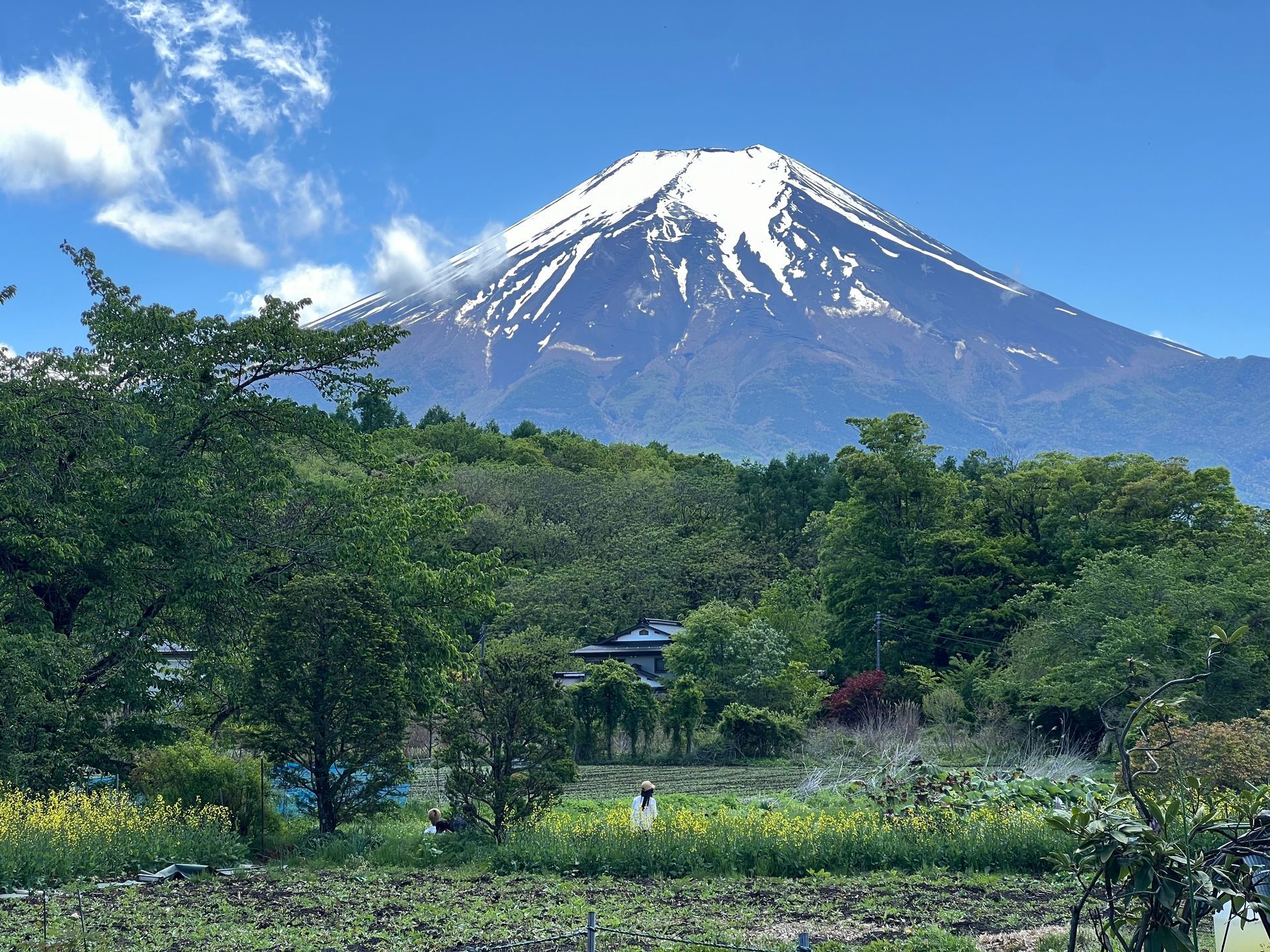
🌸 Spring (Late March – May)
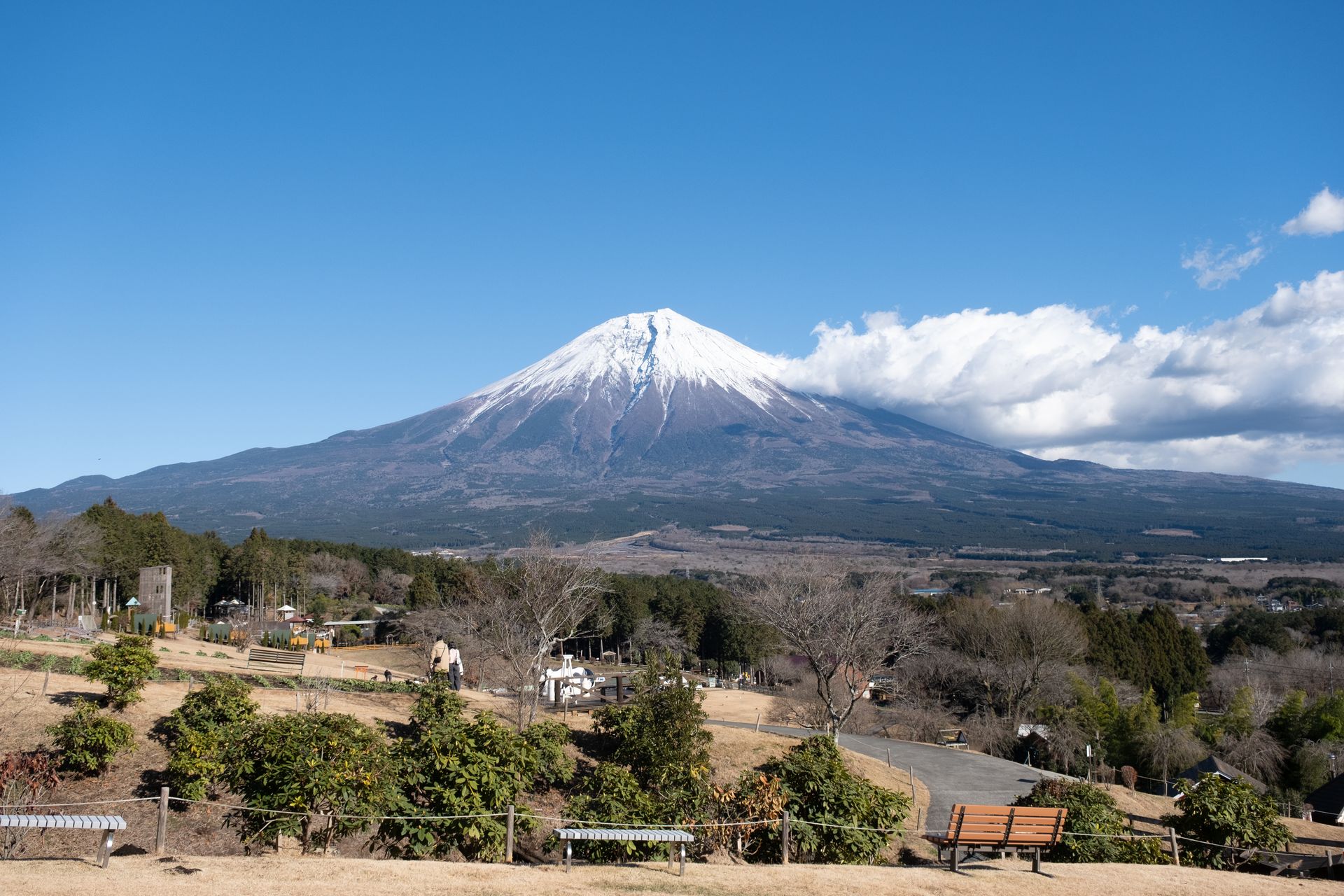
- Fresh greenery, snow still visible on Fuji
- Balanced water clarity and soft colors
- Moderate crowds
Best for: first-time visitors, balanced photography
🌿 Summer (June – September)
- Deep green surroundings
- Highest visitor volume
- Fuji visibility less reliable
Best for: water clarity
Tip: arrive before 9:00 AM
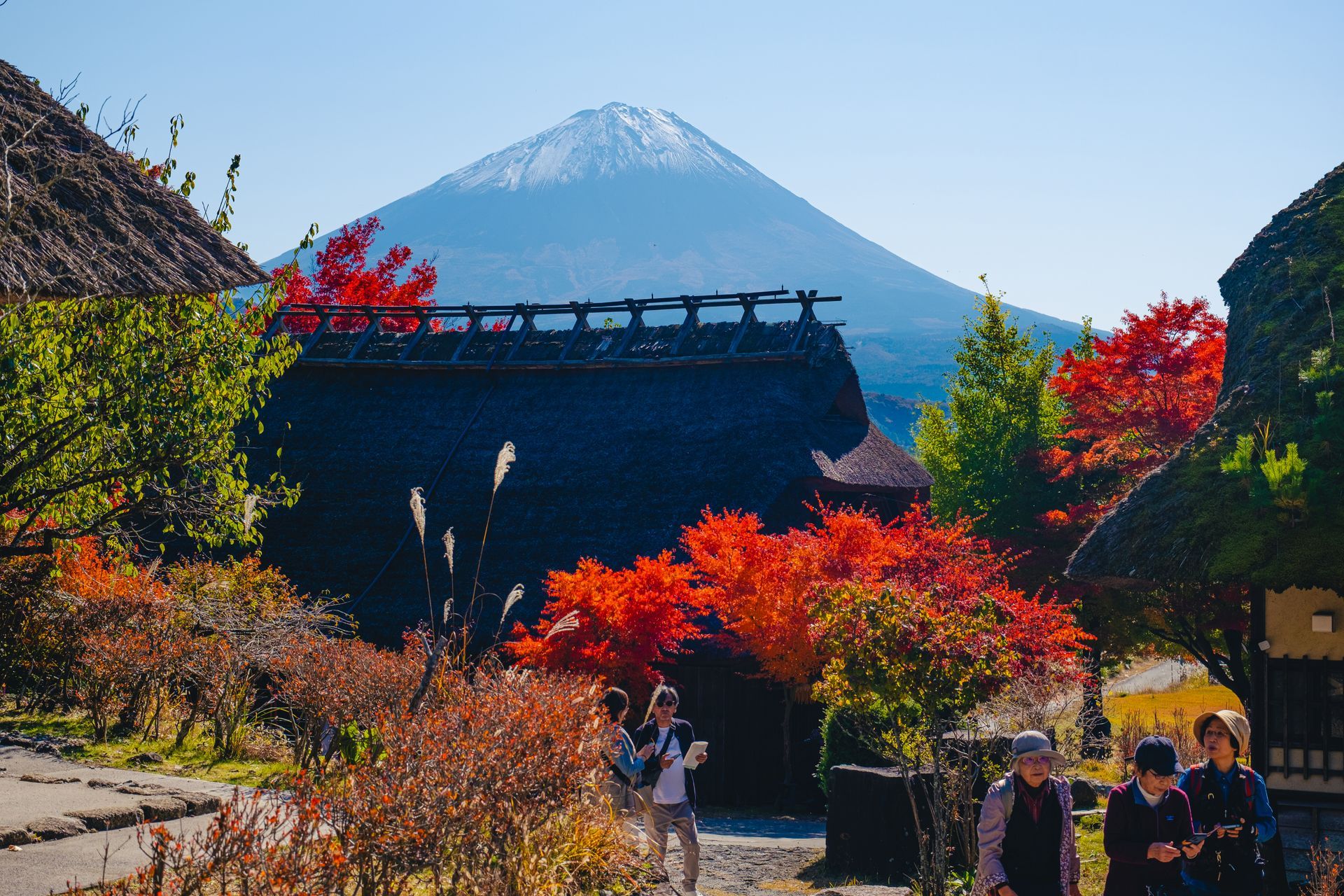
🍁 Autumn (October – November)
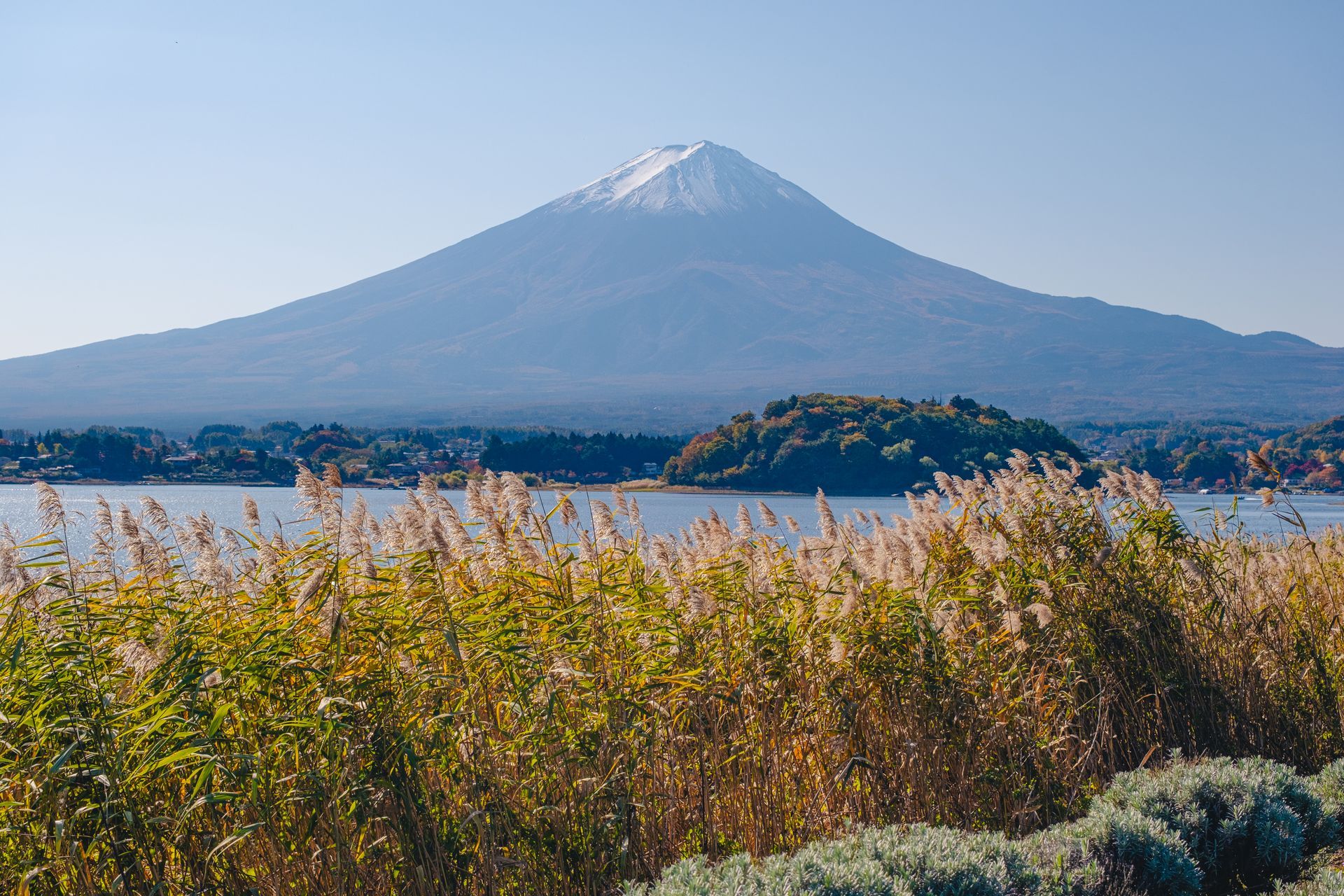
- Crisp air and improving visibility
- Subtle foliage reflected in ponds
- Calm pacing
Best for: photographers, atmosphere
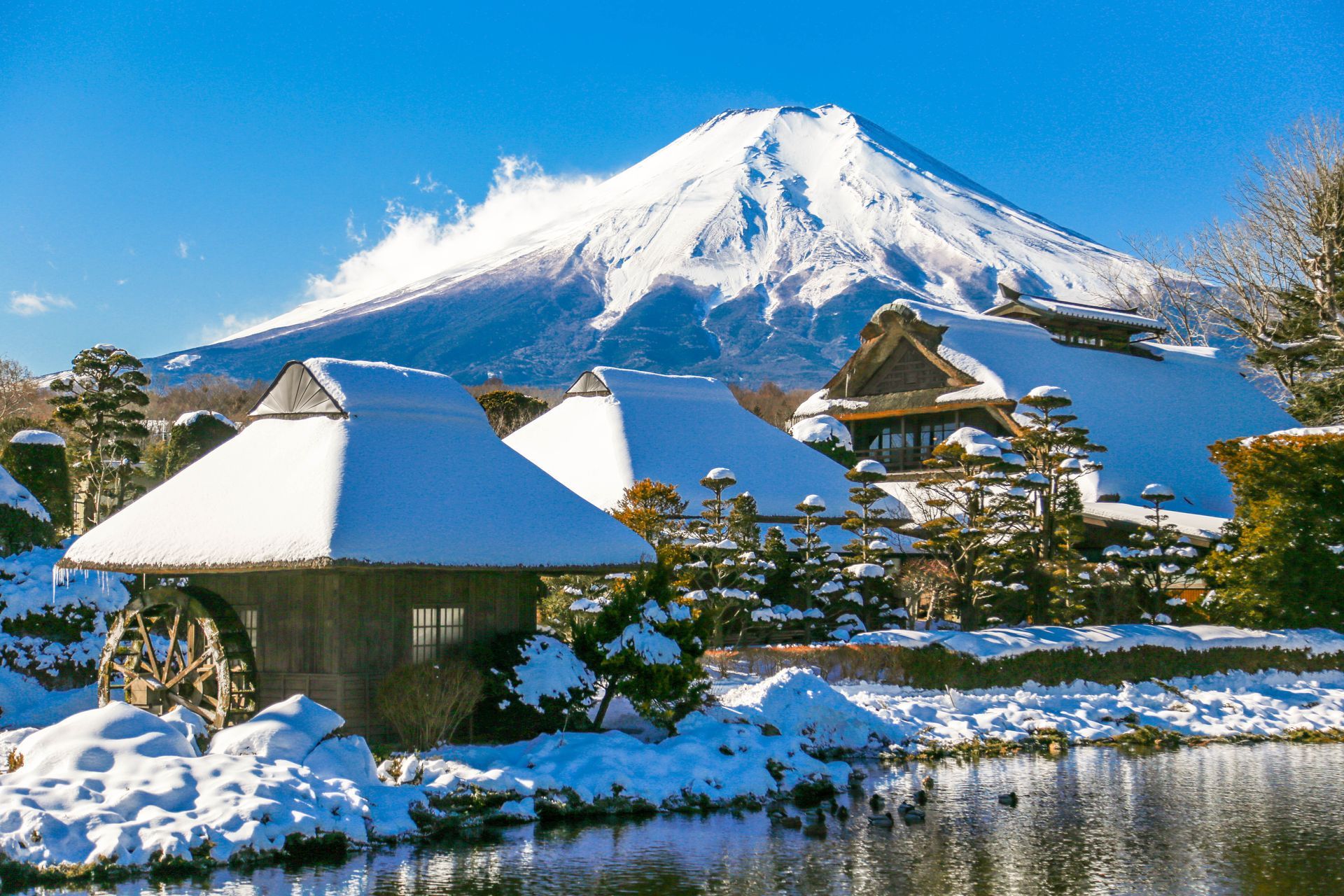
❄️ Winter (December – February)
- Few visitors
- Steam rising from springs
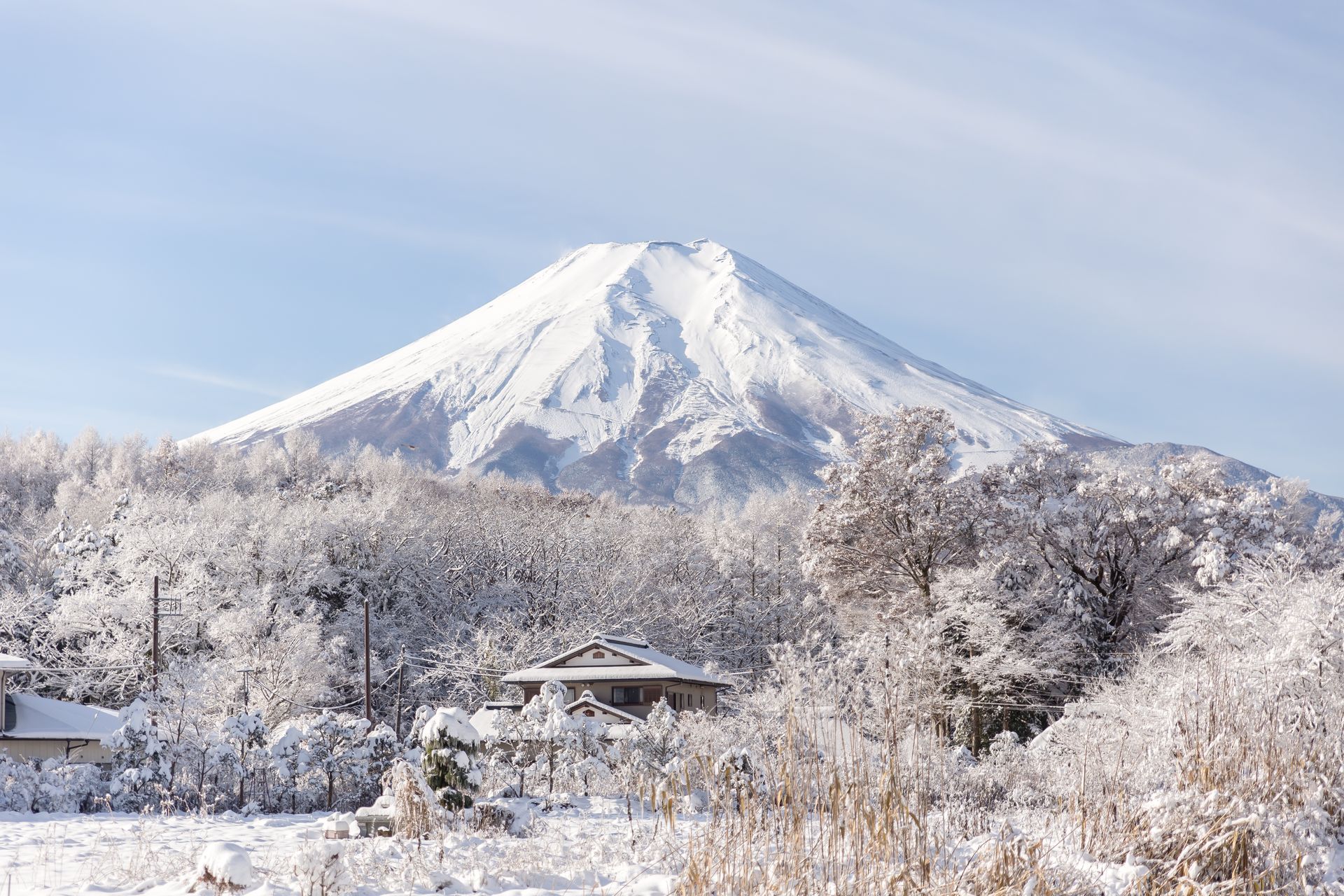
- Snow-covered roofs on clear days
Best for: quiet exploration and mood
6. How to Walk Oshino Hakkai Properly
Most visitors remain in the central souvenir area.
But Oshino Hakkai reveals itself when you:
- follow residential lanes
- pause at quieter ponds
- move without urgency
Listen for:
- water flowing beneath wooden bridges
- wind through reeds
- footsteps naturally slowing
This is not a place to hurry.
7. Local Food Shaped by Spring Water
Food here reflects the water itself—clean, simple, restrained.
🍢 Grilled River Fish
Often trout or char, skewered and grilled slowly.
Minimal seasoning. Clean flavor.
🍡 Mitarashi Dango
Warm rice dumplings with sweet soy glaze.
Meant to comfort, not impress.
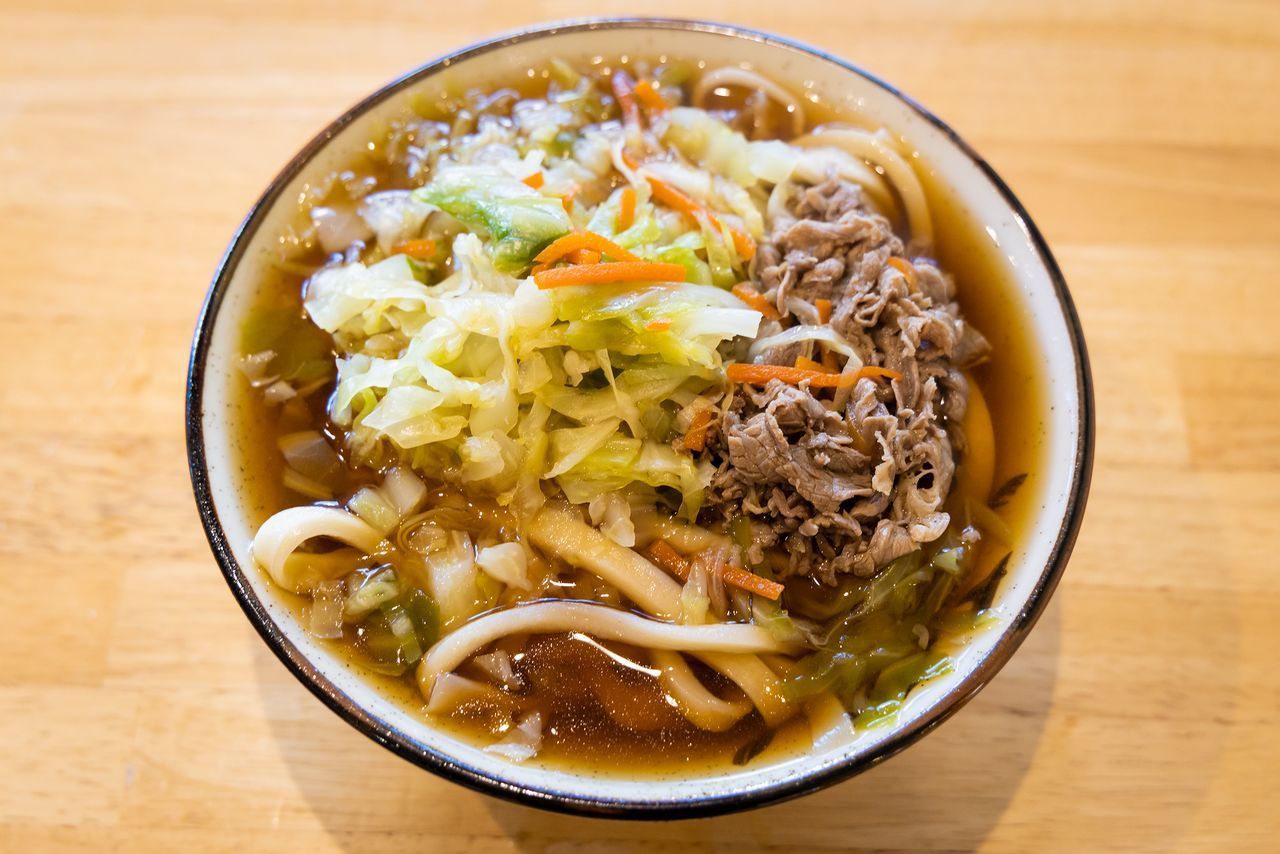
🍜 Handmade Soba
Some family-run shops still use spring water in noodle preparation.
Light, clean, and understated.
🍦 Soft Ice Cream
Local milk, green tea, or spring-water branding.
Refreshing rather than indulgent.
8. Souvenirs That Make Sense
Skip mass-produced trinkets.
Look instead for:
- spring-water products
- local miso or pickles
- simple ceramics
- handmade wooden items
The best souvenirs here are quiet and practical.
9. Photography and Etiquette
Oshino Hakkai is beautiful—but it is also someone’s home.
Please:
- avoid blocking bridges
- respect restricted pond edges
- photograph people thoughtfully
The strongest images here come from:
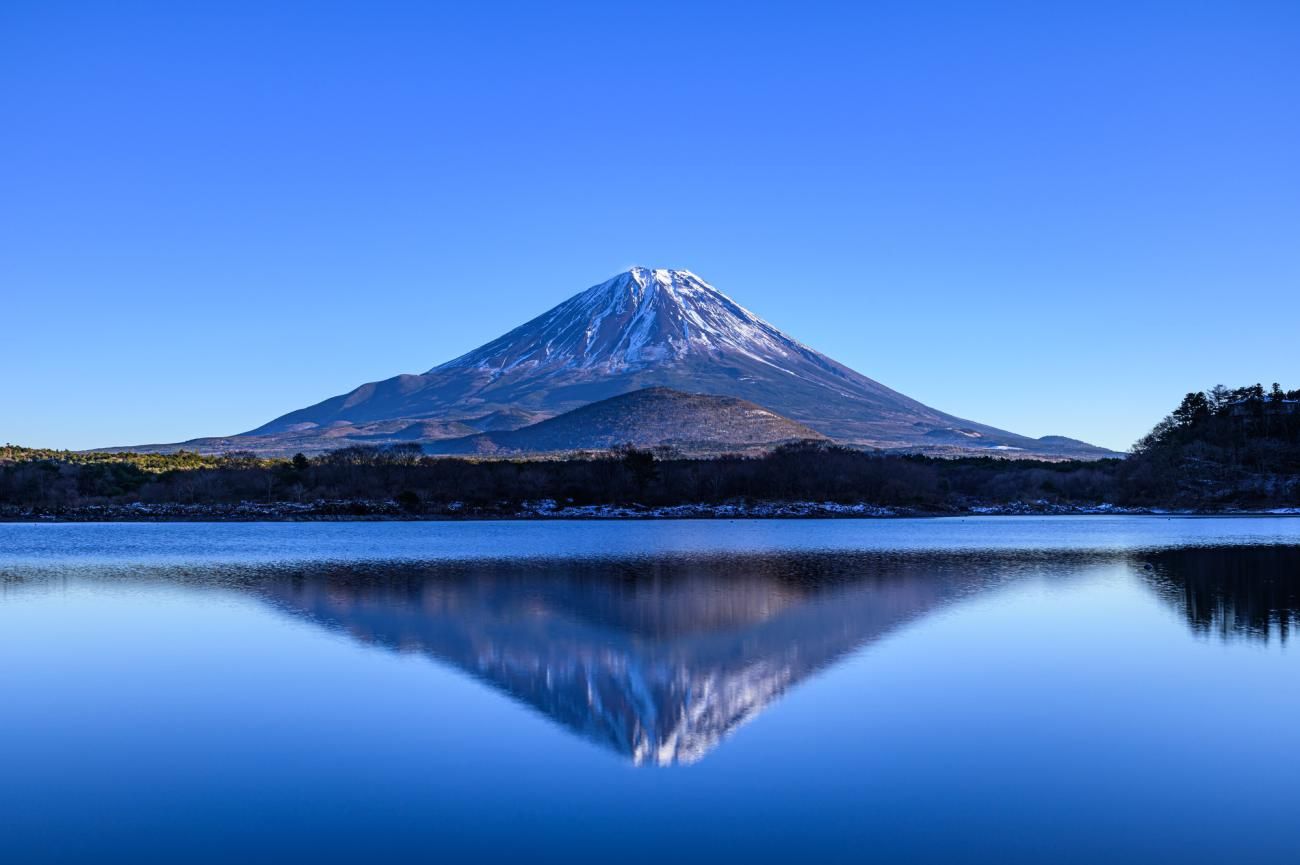
- reflections
- stillness
- human scale
Not spectacle.
10. Oshino Hakkai in a Mt. Fuji Day
Oshino Hakkai works best:
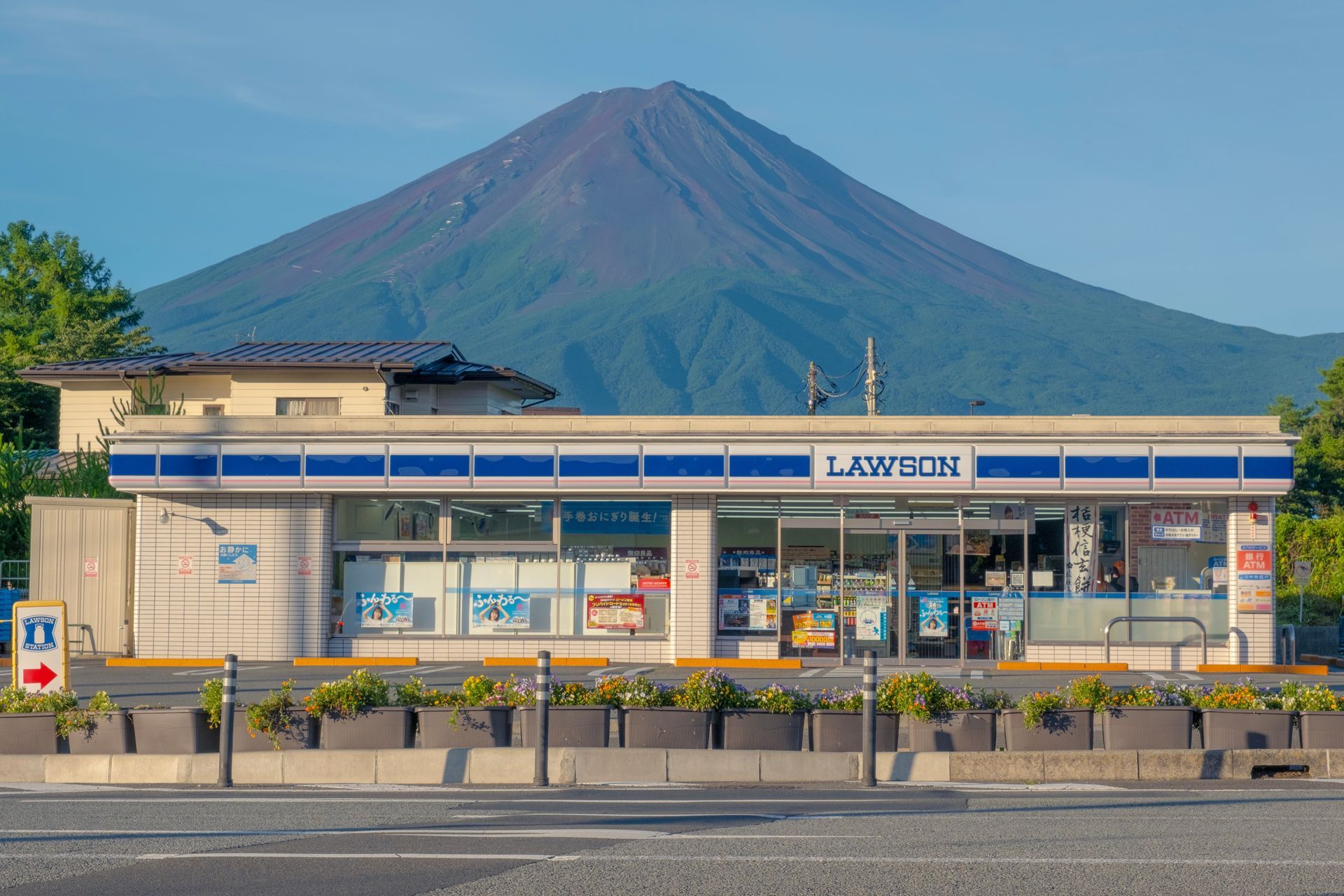
- after early morning Kawaguchiko views
- before late afternoon Chureito Pagoda
- as a grounding moment between major stops
It resets rhythm.
Final Thought
Oshino Hakkai is not a highlight to conquer.
It is a place where water prepared people to meet a mountain.
Those who slow down often leave with something they did not arrive expecting—
a quieter understanding of Mt. Fuji, shaped not by views, but by belief.
Suggested Internal Links
- Photographing Mt. Fuji: Part 1 — North Side
- When Is the Best Time of Day to See Mt. Fuji?
- What to Eat Around Mt. Fuji