📸 Photographing Mt. Fuji:Part 1 — Fuji from the North: Classic Views, Gentle Lakes, and Morning Light
🌅 1. Lake Kawaguchi – The North Shore (Oishi Park Area)
Address (EN): Oishi Park, Oishi, Fujikawaguchiko-machi, Yamanashi
Address (JP): 山梨県南都留郡富士河口湖町大石
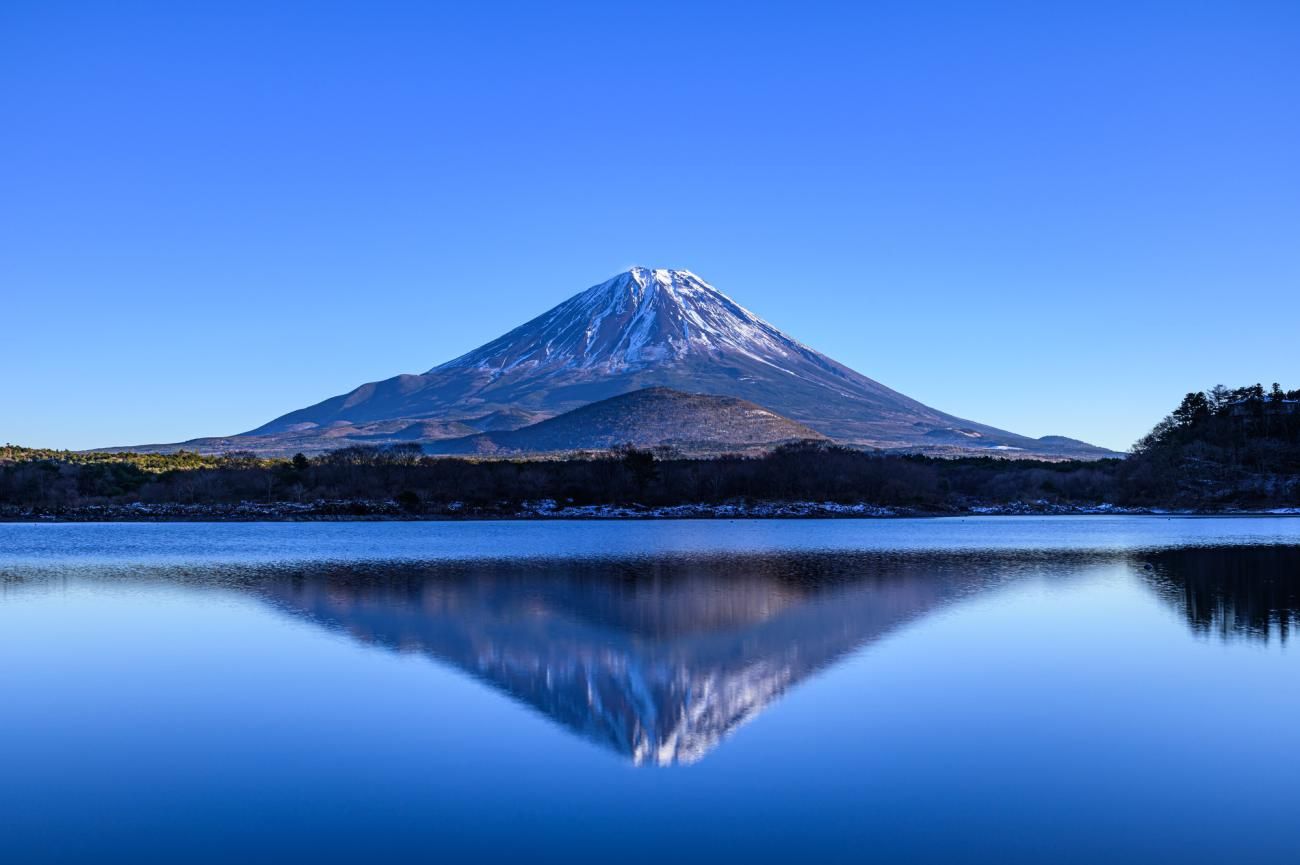
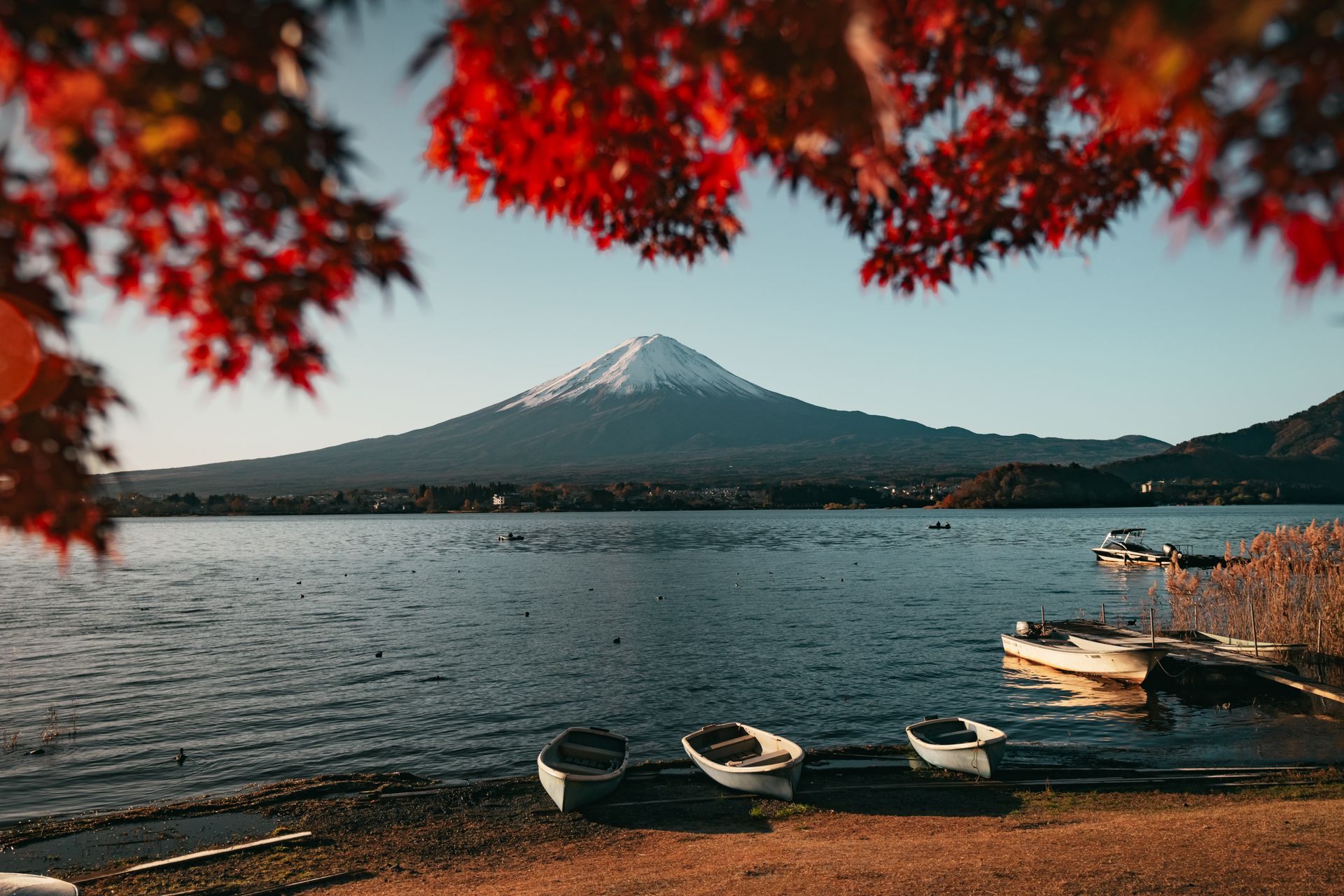
Lake Kawaguchi’s northern shoreline is one of Fuji’s calmest stages. On quiet mornings, the lake acts like a mirror waiting to decide what it will reveal. If you arrive around sunrise, you may watch Fuji gradually take shape from the haze—an outline becoming form, becoming presence.
Seasonal changes here are dramatic. In winter, the lake is still and pale. In summer, lavender fields color the shoreline. But perhaps the most magical moment comes in mid-April during the Kawaguchiko Cherry Blossom Festival. Tens of cherry trees bloom along the path, forming a soft pink frame around the lake, with Fuji rising quietly behind them.
Weather Insight
- Cloud Base above 2,200–2,500m generally ensures visibility.
- North wind brings clearer skies; south wind pulls moisture toward Fuji.
- Humidity between 60–70% creates soft, atmospheric haze ideal for sakura photography.
- Reflection is most likely when wind is under 2 m/s.
- Morning mist usually lifts between 8:30–9:30 AM.
Transportation Insight
- Cycling is ideal along the flat lakeside.
- Local buses are available but crowded during cherry blossom season.
- Taxis are useful for time-sensitive shoots.
- Charter vehicles help greatly during festival weeks when parking is limited.
Photography Notes
- Morning sidelight adds gentle structure to Fuji’s slopes.
- Use a polarizer lightly to preserve atmosphere.
- Walk a few minutes away from Oishi Park for quieter compositions.
🍁 2. Momiji Corridor(Maple Corridor)
Address (EN): Near Kawaguchiko Museum of Art, Kawaguchi Area
Address (JP): 山梨県南都留郡富士河口湖町河口
The Momiji Corridor is a place where autumn lingers. In late October through mid-November, maple leaves turn deep red and warm gold, forming an illuminated canopy over the narrow stream. Light moves slowly here, drifting across water and rock, creating one of the region’s most atmospheric scenes.
Fuji appears only from select angles, but when it aligns with the canopy of red leaves, the image becomes iconic—warm foreground, cool mountain, and a sense of seasonal depth.
Season Highlight
Peak foliage usually occurs from late October to mid-November. Morning sunlight filtering through the leaves adds a soft glow ideal for photography.
Weather Insight
- Autumn provides some of the year’s clearest visibility.
- North winds clean the upper atmosphere, revealing Fuji with exceptional clarity.
- Cloud Base around 2,500–3,000m offers optimal mountain visibility.
- Clouds may accumulate around midday—morning is best.
Transportation Insight
- Walking is ideal within the Corridor.
- Buses are convenient from the museum area.
- Taxis help with quick transitions to the lakeshore.
- Charter is best for combining this location with others such as Saiko or Chureito.
Photography Notes
- Telephoto lenses (70–135mm) compress leaves and mountain effectively.
- Explore deeper sections to avoid crowds.
🛕 3. Chureito Pagoda(Arakurayama Sengen Park)
Address (EN): 2-4-1 Asama, Fujiyoshida
Address (JP): 山梨県富士吉田市浅間2-4-1
The walk to Chureito Pagoda feels like a small pilgrimage. After climbing 398 steps, the pagoda rises before you, elegant and deliberate, while Fuji stands perfectly centered behind it. The balance between architecture and mountain feels almost ceremonial.
Spring brings cherry blossoms around the pagoda; autumn brings warm maples; winter brings cold, transparent air that reveals every ridge on Fuji’s snowy peak.
Weather Insight
- Cloud Base above 2,300m usually reveals the summit.
- North wind clears Fuji’s northern face quickly.
- Winter mornings offer the highest clarity of the year.
- Summer haze often clears by late morning.
Transportation Insight
- Train plus a short walk is typical.
- Taxis are excellent for early morning starts.
- Charter recommended for carrying equipment or visiting multiple spots.
Photography Notes
- Best light between 8:00–10:00 AM.
- Mid-telephoto (85–135mm) offers ideal balance.
- Move slightly left for a cleaner alignment of rooflines and mountain slopes.
🕰 4. Nikawa Clock Shop(Shimoyoshida Retro Street)
Address (EN): 1-6-5 Shimoyoshida, Fujiyoshida
Address (JP): 山梨県富士吉田市下吉田1-6-5
This is one of Fuji’s most intimate perspectives.
A quiet slope, an old clock shop, and Fuji rising beyond the rooftops create a composition that feels nostalgic and deeply Japanese. Unlike the dramatic lakes or pagodas, this viewpoint feels grounded in everyday life.
Cloudy days suit this location beautifully, softening the contrast between street and mountain.
Weather Insight
- Thin cloud cover creates natural, diffuse lighting.
- Cloud Base of 2,000–2,500m is usually sufficient.
- Works well even if Fuji is partially obscured.
Transportation Insight
- Walkable from Shimo-Yoshida Station.
- Taxis are convenient when pairing with Chureito.
- Charter ideal for continuing into rural areas afterward.
Photography Notes
- 35–50mm produces a natural documentary feel.
- Morning light or soft cloudy days provide the best results.
🎢 5. Mt. Fuji Panoramic Ropeway(Tenjoyama Park)
Address (EN): 1163-1 Asakawa, Fujikawaguchiko
Address (JP): 山梨県南都留郡富士河口湖町浅川1163-1
From the ropeway summit, Kawaguchiko curves below in a calm arc, and Fuji rises beyond it with quiet strength. Clouds move quickly at this altitude, offering shifting patterns of light and shadow across the mountain.
Weather Insight
- Cloud Base above 2,500m produces crisp detail.
- Light west winds create dynamic cloud shadows on the slopes.
- Autumn afternoons often provide the most sculpted light.
Transportation Insight
- Ropeway is the main access route.
- Walking trails offer quieter secondary viewpoints.
- Charter useful when combining the ropeway with Yamanakako or Saiko.
Photography Notes
- Wide angle for the lake; telephoto for Fuji’s upper slopes.
- Continue past the viewing platform for cleaner compositions.
🛶 6. Lake Yamanaka(Swan Lake District)
Address (EN): Yamanakako Village, Yamanashi
Address (JP): 山梨県南都留郡山中湖村
Lake Yamanaka offers the closest and most imposing view of Fuji.
At sunrise, the summit glows red before the rest of the mountain brightens—a phenomenon known as Aka Fuji. Swans drift near the shoreline, adding gentle motion to the still morning water.
In winter, steam fog rises from the cold lake surface, creating fleeting, ethereal scenes that feel almost unreal.
Weather Insight
- Sub-zero mornings create steam fog ideal for silhouettes.
- Cloud Base above 2,500m keeps the summit visible.
- Wind under 1.5 m/s increases reflection chances.
- Winter produces exceptional clarity due to temperature inversion.
Transportation Insight
- Cycling is excellent for exploring the lakeside.
- Buses are limited at dawn.
- Taxis are highly practical for sunrise photography.
- Charter allows multi-lake sunrise schedules.
Photography Notes
- Sunrise is the prime shooting window.
- Gradient ND helps control contrast.
- Swans provide strong foreground interest.
North Side Weather Summary
- Best seasons: autumn, winter, early spring
- Ideal visibility: cloud base above 2,300–2,800m
- Mist clearing window: 8:30–9:30 AM
- Reflection conditions: wind under 2 m/s
- North wind often brings the clearest skyline
North Side Transportation Summary
- Cycling: peaceful and flexible
- Bus: convenient but often crowded
- Taxi: ideal for heavy gear or sunrise windows
- Charter: best for multi-spot, weather-driven itineraries
Closing Note
The north side of Mt. Fuji offers balance—lakes, pagodas, blossoms, gentle terrain, and classic postcard views. But Fuji’s character shifts as you move west. The lakes become wilder, the forests deeper, and the mountain more dramatic.
The next chapter explores that landscape:
Motosu, Shoji, Saiko, and the rugged ridges of Mitsutoge.