Makaino Farm: A Gentle Countryside Escape Near Mt. Fuji
Makaino Farm: A Gentle Countryside Escape Near Mt. Fuji
Why This Pasture Has Become a Quiet Favorite Among Photographers
Makaino Farm is not the kind of place that announces itself.
There are no dramatic entrances, no marked viewpoints telling visitors where to stand, and no pressure to capture a single iconic shot. Instead, there is open land, steady wind, and Mt. Fuji appearing when the timing feels right.
For photographers and slow travelers, this is exactly the appeal. Makaino Farm offers a version of Mt. Fuji that feels grounded and unforced — where the mountain exists as part of a living landscape rather than a staged destination.
A Place That Is Used, Not Just Viewed
Makaino Farm reveals itself through movement rather than spectacle. Children climb wooden structures without instruction. Adults pause at the edge of the grass, not because they are told to, but because the space invites them to slow down.
A wooden observation tower stands quietly in the pasture. It is not treated as a landmark. Some climb it. Others walk past it. No one queues, and no moment feels scheduled.
This is one of the first signs that Makaino Farm is not designed to control experience.
It allows it.
Walking Through Makaino Farm
Walking through Makaino Farm feels less like following a route and more like drifting through open ground.
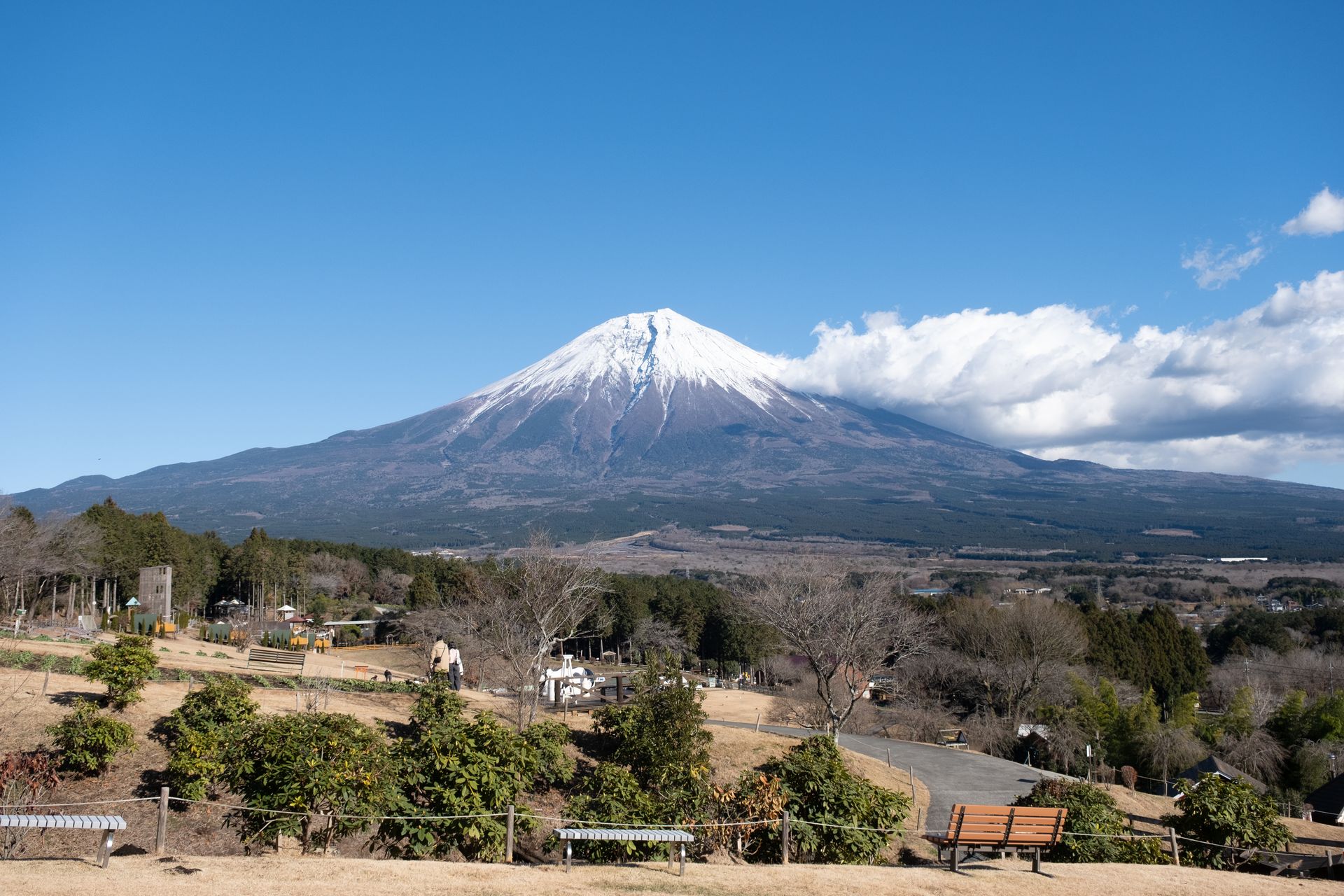
The pasture slopes gently, and the sense of space expands almost immediately after entering. Mt. Fuji does not dominate the view at first. It appears gradually — between distant hills, above low fences, beyond stretches of grass.
Visitors tend to stop instinctively, adjusting their position rather than searching for a perfect angle. This freedom is what many photographers appreciate most. There is no fixed composition here. The landscape responds differently depending on light, wind, and how long one is willing to wait.
Where People Naturally Stop
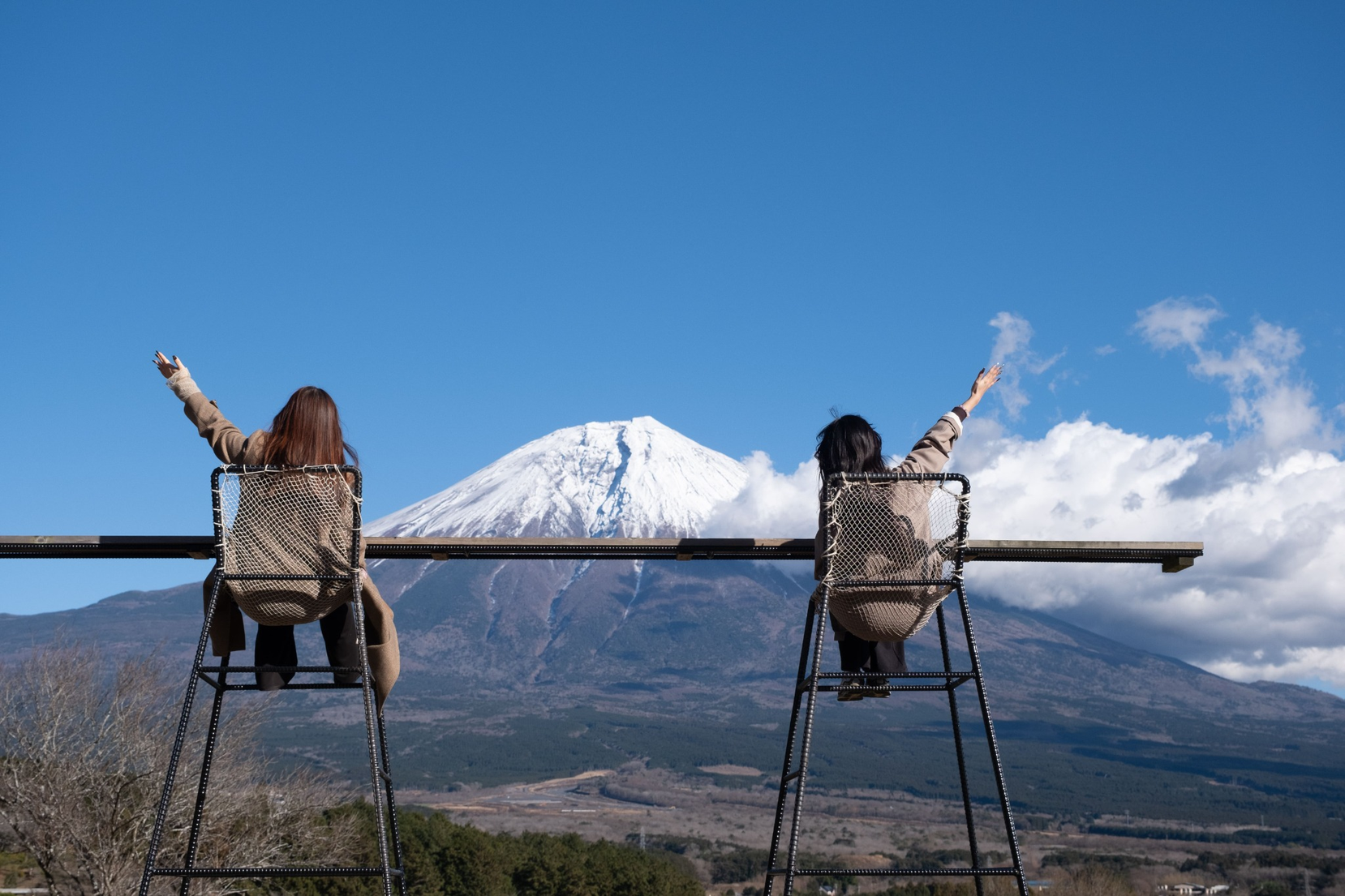
There is a low wooden platform near the edge of the pasture. It is not labeled as a viewpoint, yet people keep finding their way there.
Some sit quietly.
Some lift an arm toward Mt. Fuji without realizing they are doing it.
Others simply look, without taking a photo at all.
From this spot, Fuji feels balanced rather than overwhelming. The open land below and wide sky above give the mountain space to breathe. For many visitors, this becomes the moment they remember — not because it is dramatic, but because it feels honest.
Popular Photo Angles at Makaino Farm
Makaino Farm does not hide its photo spots, but it does not exaggerate them either. The most popular angles here have emerged naturally through use, not design.
The Wooden Frame Viewpoint
A large wooden frame marked MAKAINO FARM faces directly toward Mt. Fuji. Unlike artificial viewing decks, this frame works because it does not isolate the mountain. It places Fuji within its rural surroundings, keeping the foreground grounded and real.
The Swing with Mt. Fuji Behind
The swing is one of the farm’s most photographed features. Shot from a slight angle, it creates a gentle contrast between motion and stillness. The image feels playful, but not performative.
Clear mornings and early afternoons produce the cleanest results.
Seasonal Installations
Occasionally, seasonal photo installations such as heart-shaped frames appear on the grounds. Positioned away from the main flow of visitors, they feel optional rather than mandatory.
Used sparingly, they provide context without distracting from the landscape.
Open Grass and Human Scale
Some of the strongest photographs here are the simplest: a person walking, sitting, or standing against the wide pasture, with Mt. Fuji quietly anchoring the background.
These images work because nothing competes for attention.
Details That Break the Pattern
Between wide landscapes, small details matter.
A sheep pauses close to the camera.
Wind moves through dry grass.
Footsteps slow without reason.
These moments do not replace Mt. Fuji — they soften it. In photographs, they provide rhythm and prevent the experience from becoming visually repetitive.
Seasonal Light and Atmosphere
Spring brings fresh green grass and lingering snow on Fuji’s upper slopes. Winds are more frequent, but visibility is often crisp.
Summer fills the pasture with deep greens. Clouds gather more easily around the mountain, yet they add movement rather than obstruction.
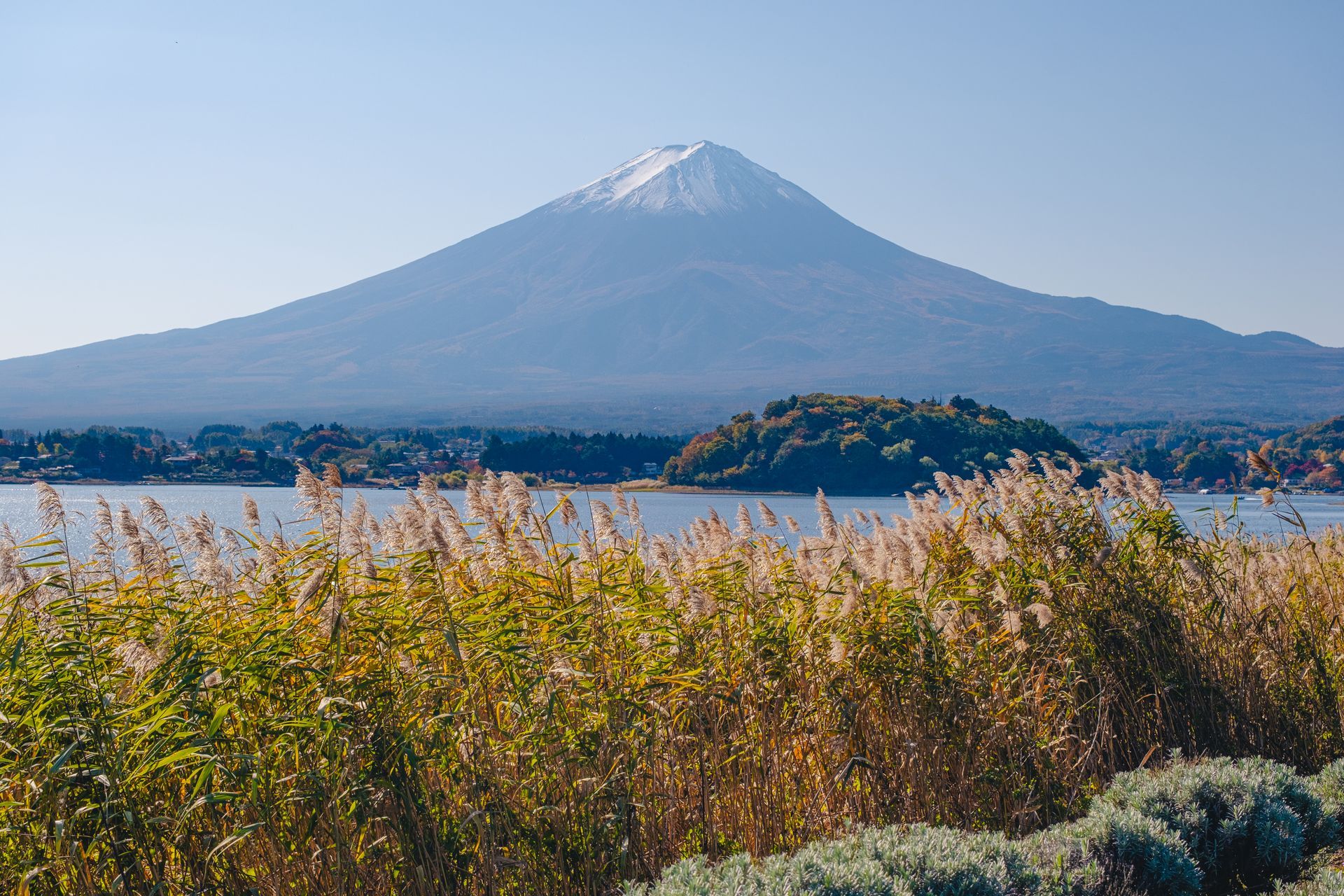
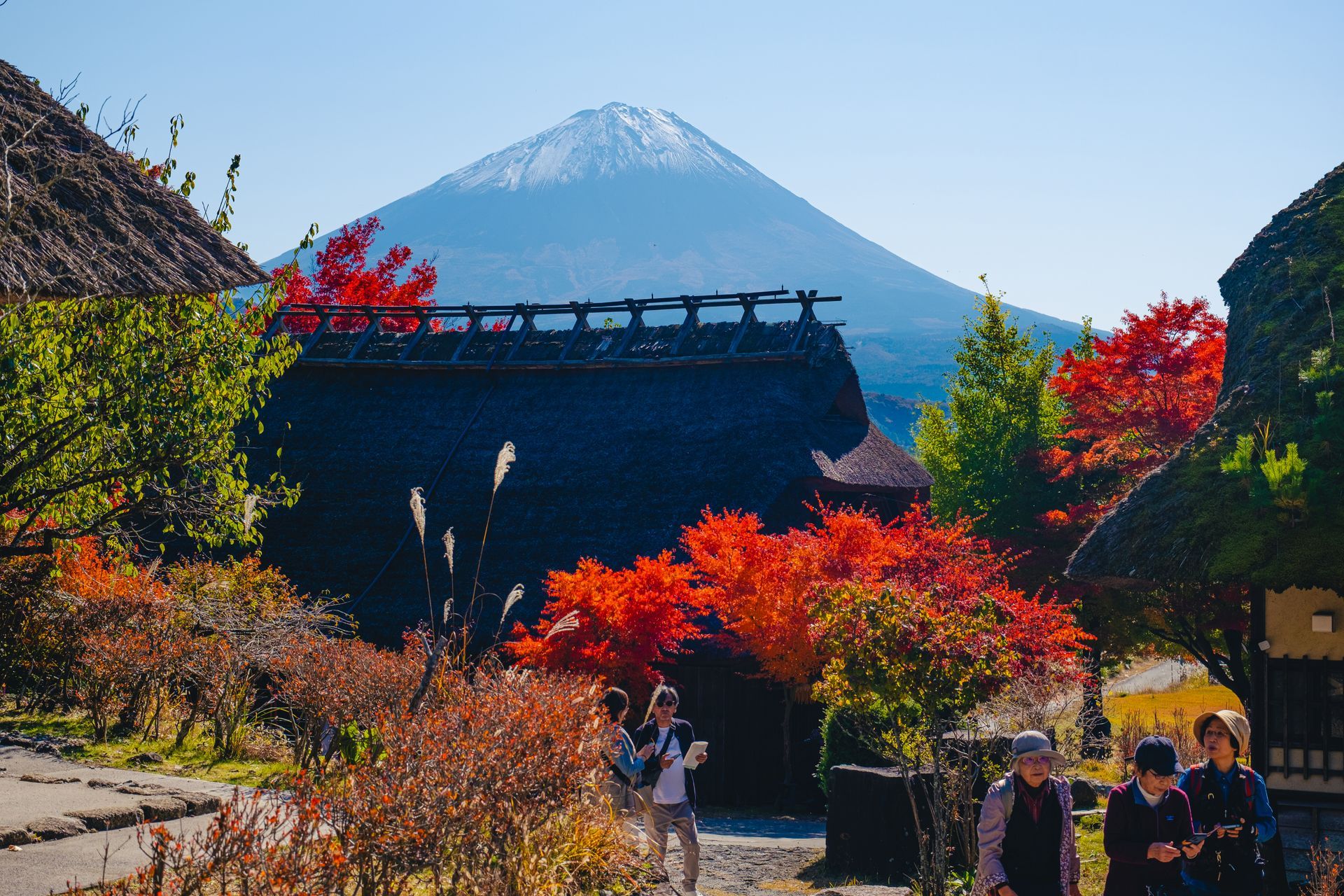
Autumn is subtle. There are no dramatic colors, but the air becomes clear and dry, sharpening Fuji’s ridgelines.
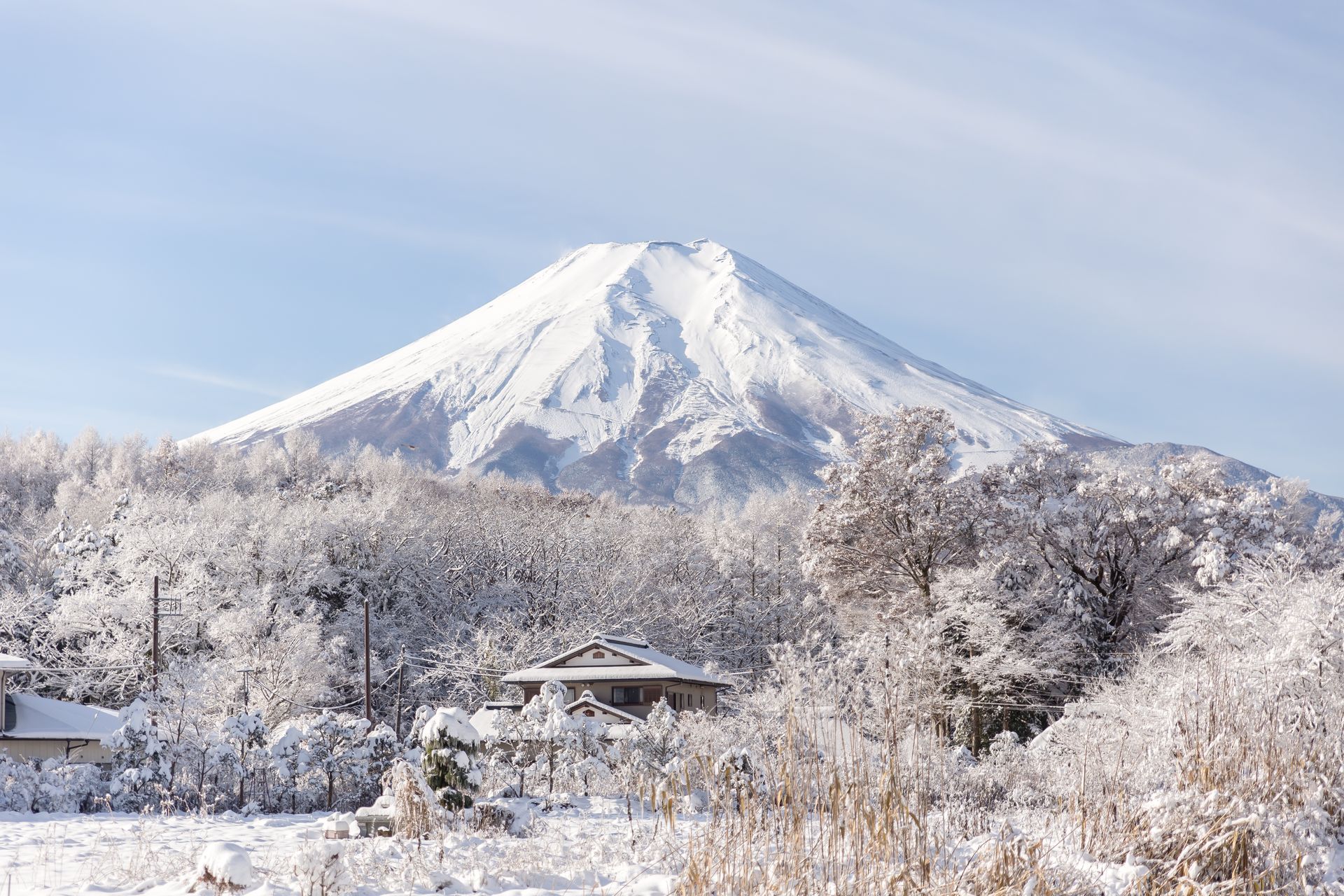
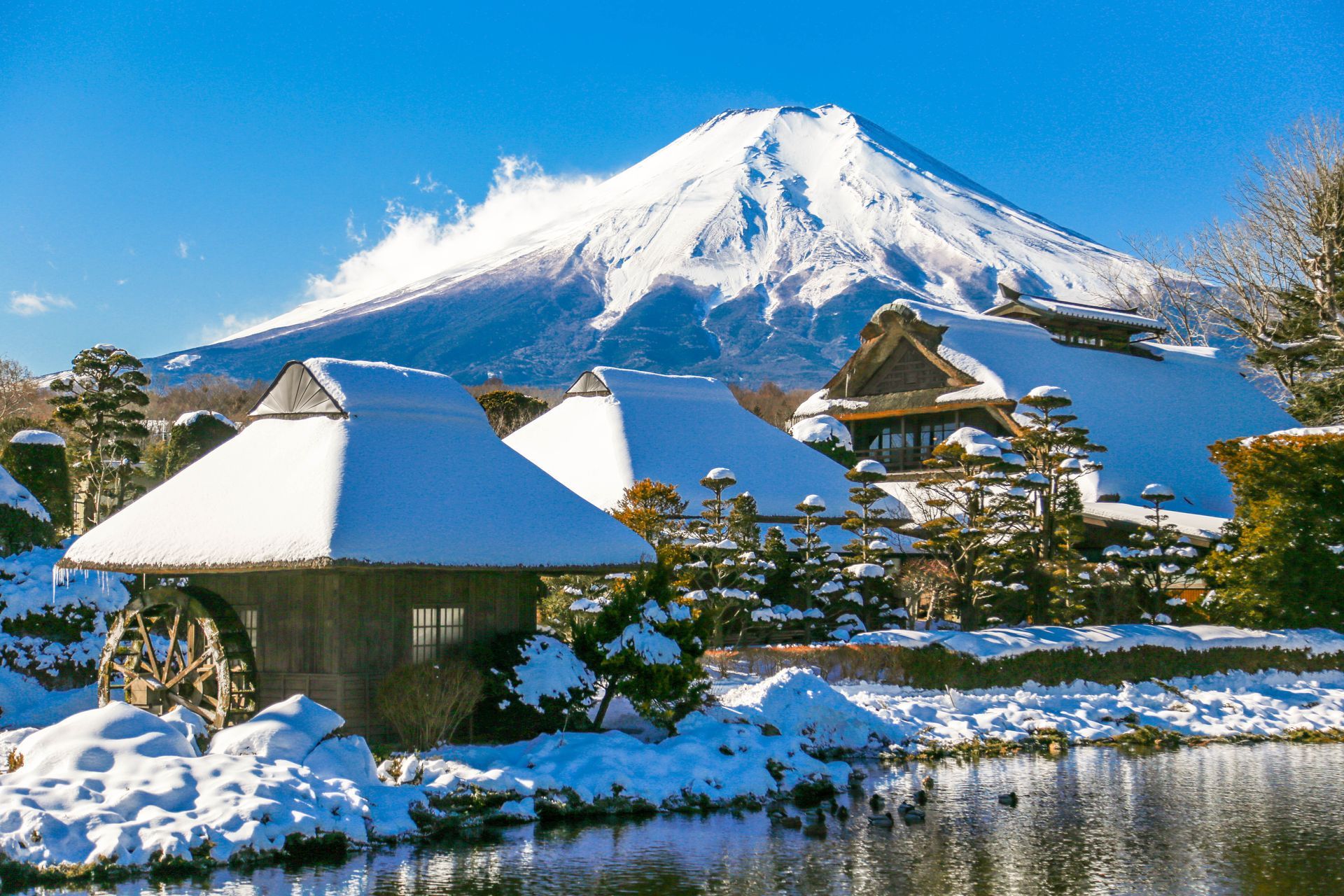
Winter is cold and quiet. On clear days, the mountain’s shape is at its most precise, and visitors are few.
Weather & Visibility: A Practical Perspective
From its southwest-facing position, Makaino Farm often enjoys stable viewing conditions when cloud bases remain above 2,500 meters. North or west winds tend to improve clarity, and early cloud cover often thins gradually rather than forming suddenly.
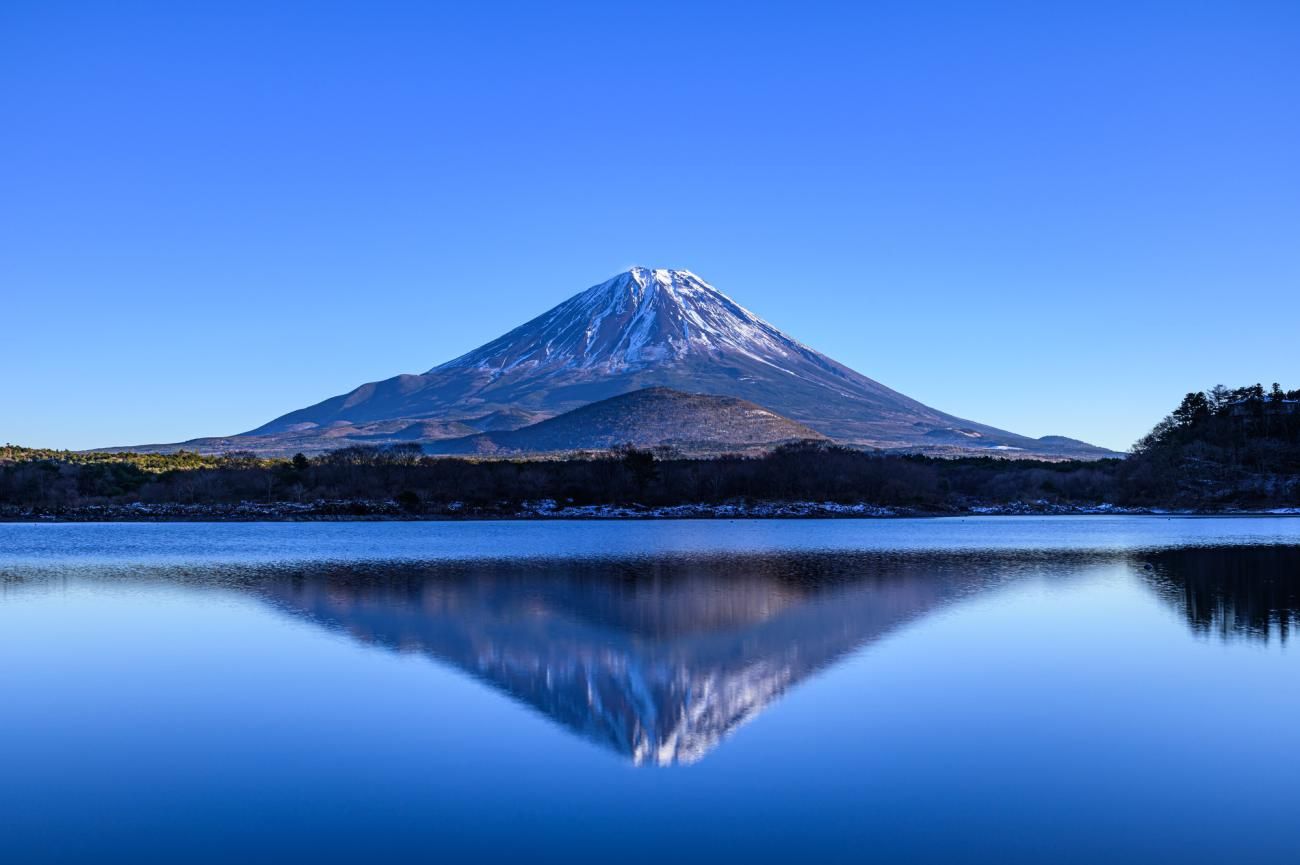
Compared to the northern lakes, visibility here feels less like a gamble. Even partial views can produce atmospheric, usable photographs.
Visiting Without Pressure
Public transportation is possible but limited, especially for those hoping to move flexibly with weather and light. Driving allows more freedom, particularly if pairing Makaino Farm with nearby areas such as the Asagiri Plateau or Shiraito Falls.
Many photographers and families choose private transportation not for luxury, but for ease — the ability to wait, adjust, and leave when the moment feels complete.
Makaino Farm rewards flexibility more than efficiency.
A Quiet Kind of Mt. Fuji
Makaino Farm does not frame Mt. Fuji for you.
It gives you space, and allows the mountain to appear on its own terms.
For many visitors, this is when Fuji feels less like a destination — and more like a presence.