Saiko Iyashi-no-Sato Nenba Rebuilding a Village, Preserving Memory, and Experiencing Life Beneath Mt. Fuji
Saiko Iyashi-no-Sato Nenba
Why This Rebuilt Village Explains Mt. Fuji Better Than Most Viewpoints
Saiko Iyashi-no-Sato Nenba is often introduced as a “traditional village near Mt. Fuji.”
For many travelers, that description sounds secondary—something to visit only if time allows, or something that exists mainly for atmosphere.
In reality, Nenba plays a far more important role in understanding the Mt. Fuji region.
It explains how people once
lived with the mountain, not how they admired it. For travelers who want more than photographs, this distinction matters.
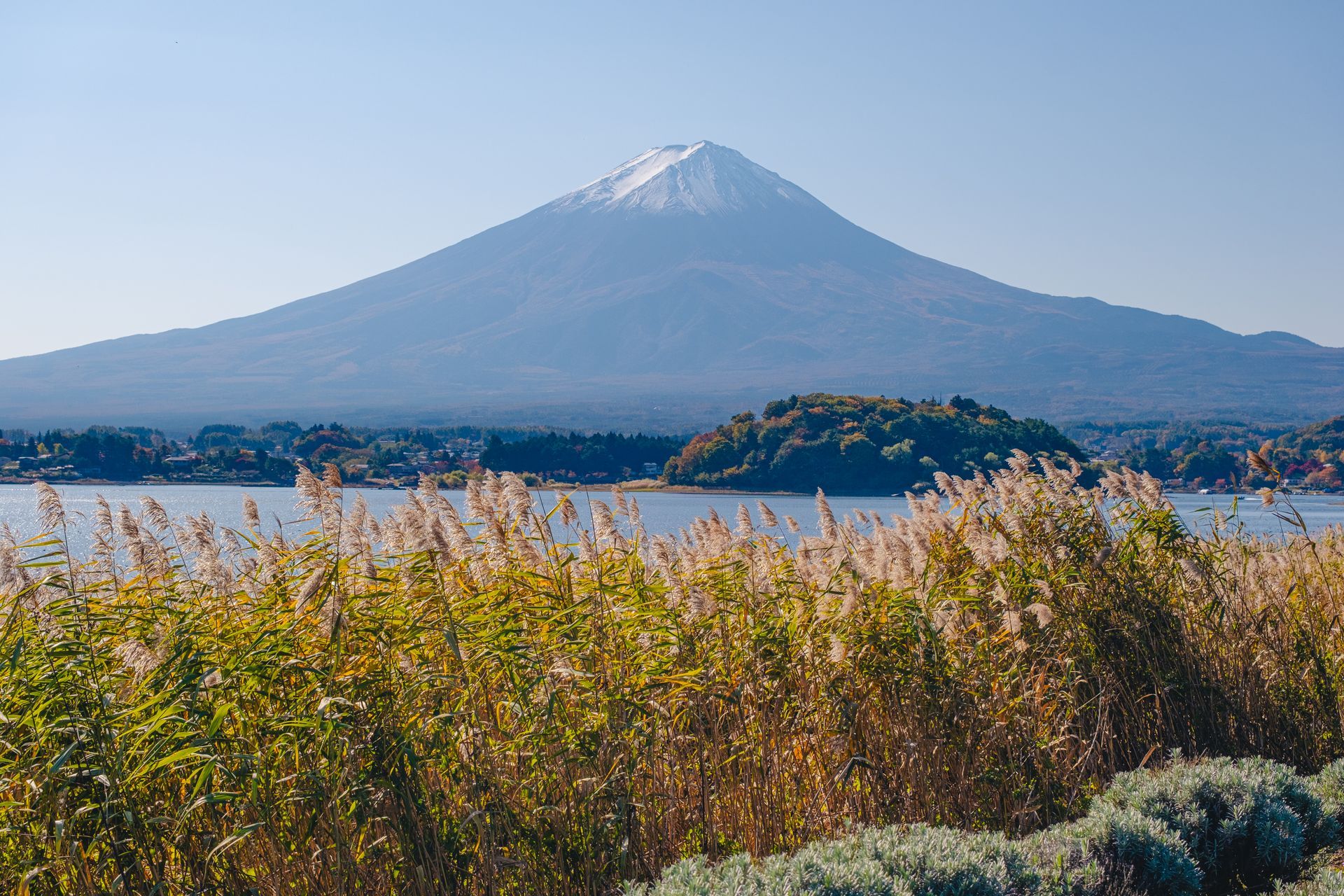
Located beside
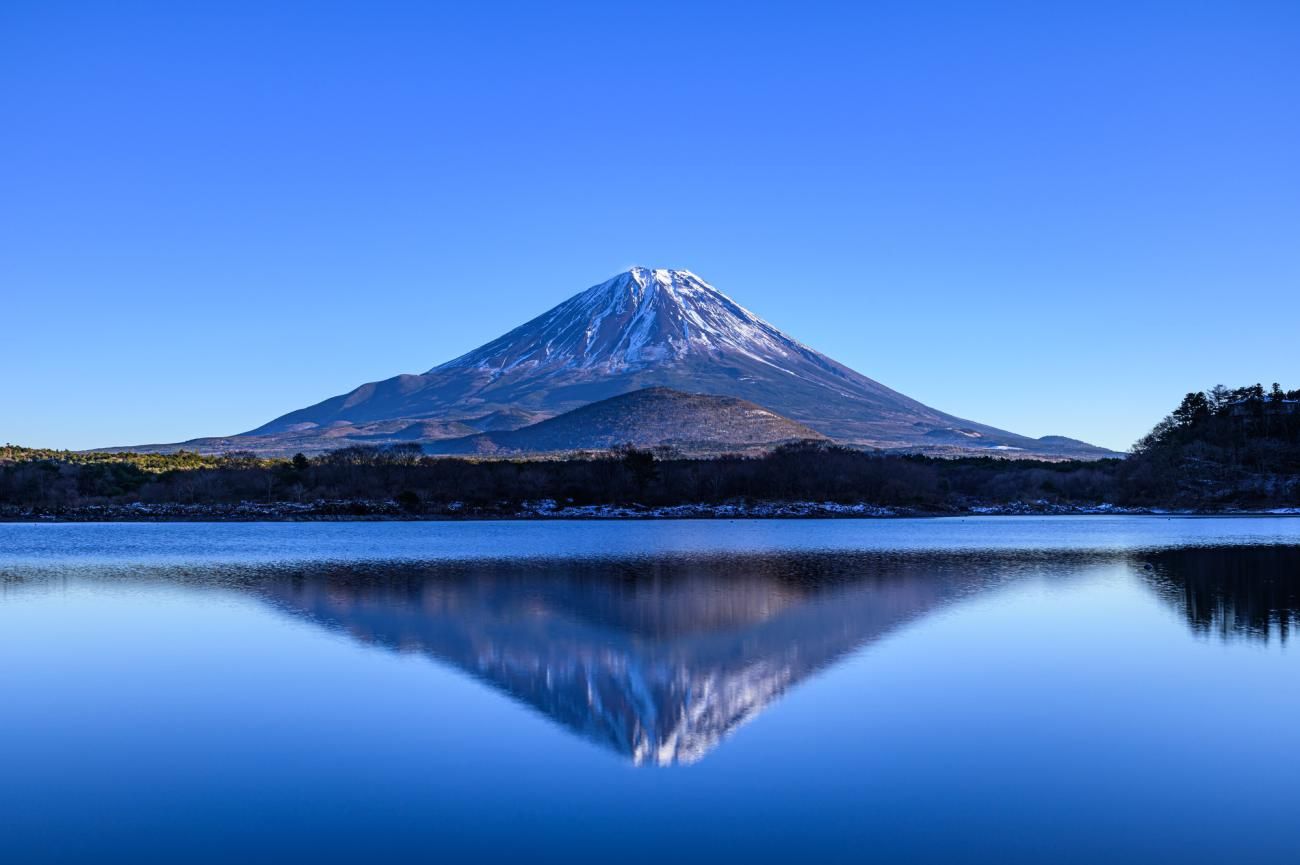
Lake Saiko on the western side of
Mount Fuji,
Nenba does not compete with famous viewpoints. Instead, it provides the context that most Fuji itineraries are missing.
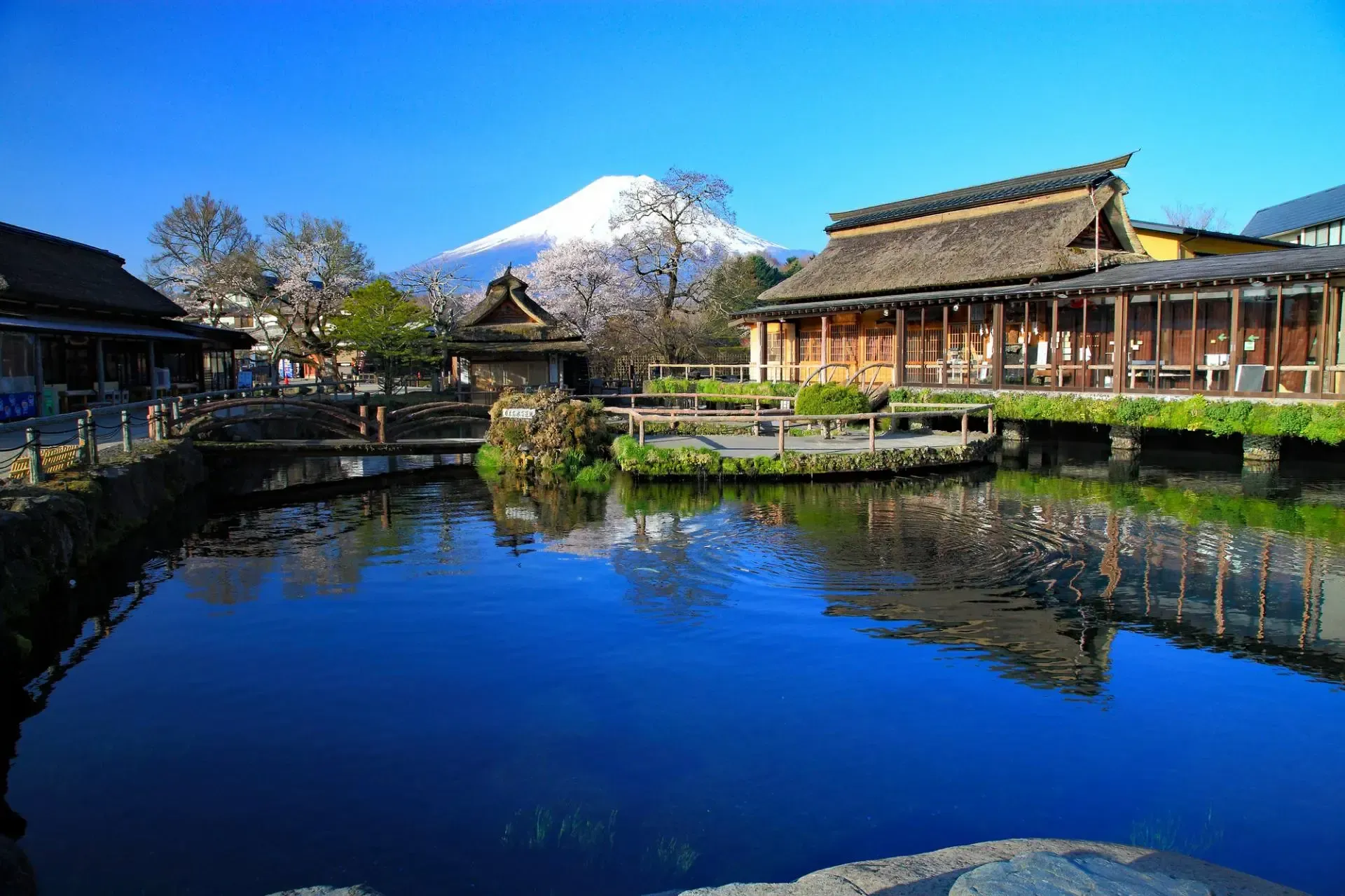
Nenba was once a functioning lakeside farming village. Families lived here for generations, relying on forestry, small-scale agriculture, and seasonal labor. Life was shaped less by scenery than by climate: long winters, heavy snow, limited arable land, and isolation during colder months. Houses, tools, and daily routines developed as practical responses to these conditions.
In 1966, a powerful typhoon caused landslides that destroyed the village almost entirely. Residents relocated, and Nenba disappeared. What exists today is a carefully reconstructed settlement, rebuilt decades later not as entertainment, but as a cultural preservation project. The goal was not to recreate a picturesque past, but to document how rural life actually functioned at the foot of Mt. Fuji.
This intent is essential to understanding why Nenba is worth visiting.
Many visitors approach reconstructed villages with skepticism, questioning authenticity. Nenba avoids this problem by being explicit about its purpose. It does not pretend uninterrupted continuity. Instead, it presents itself as an explanation—using historically accurate buildings and layouts to show how people adapted to their environment.
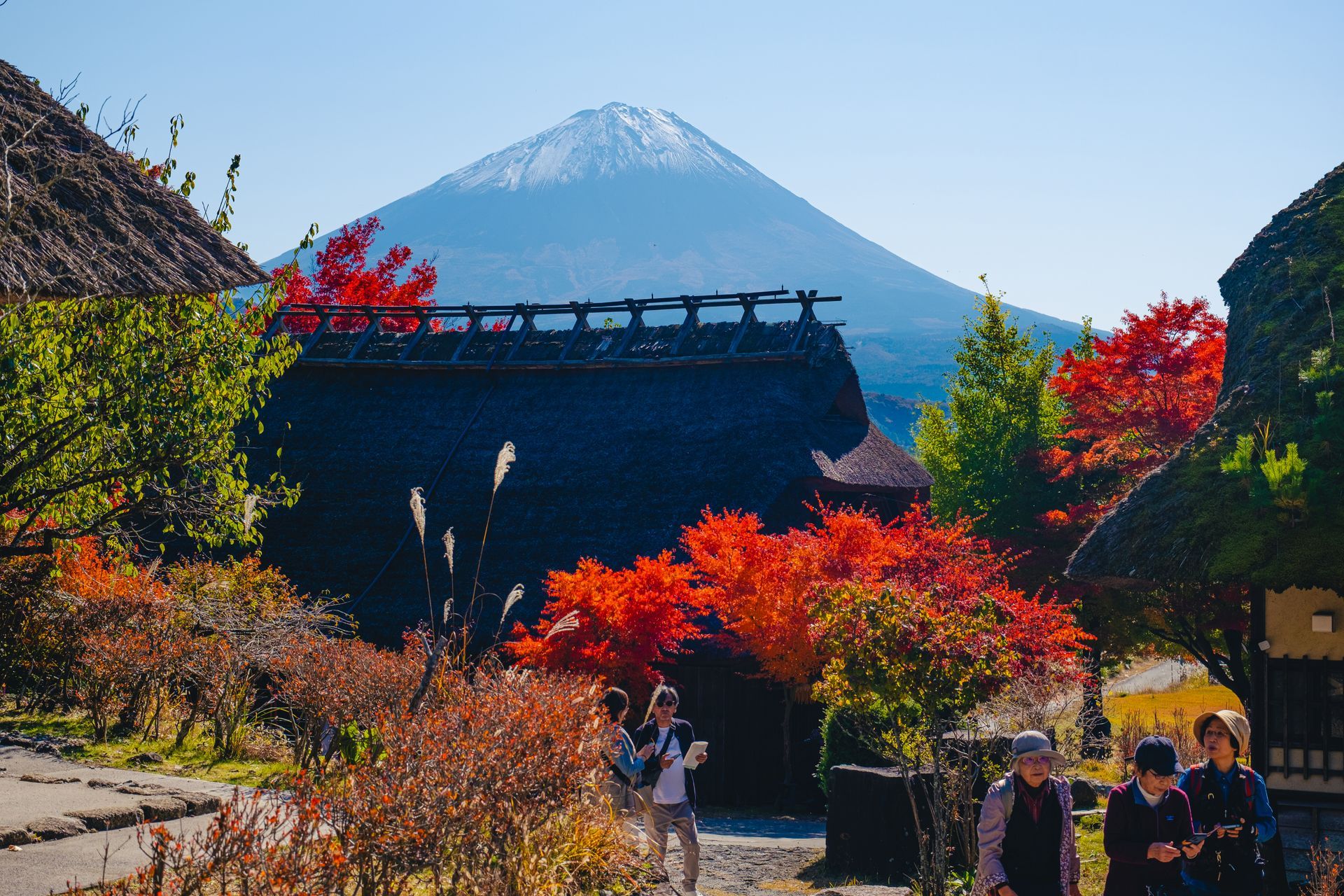
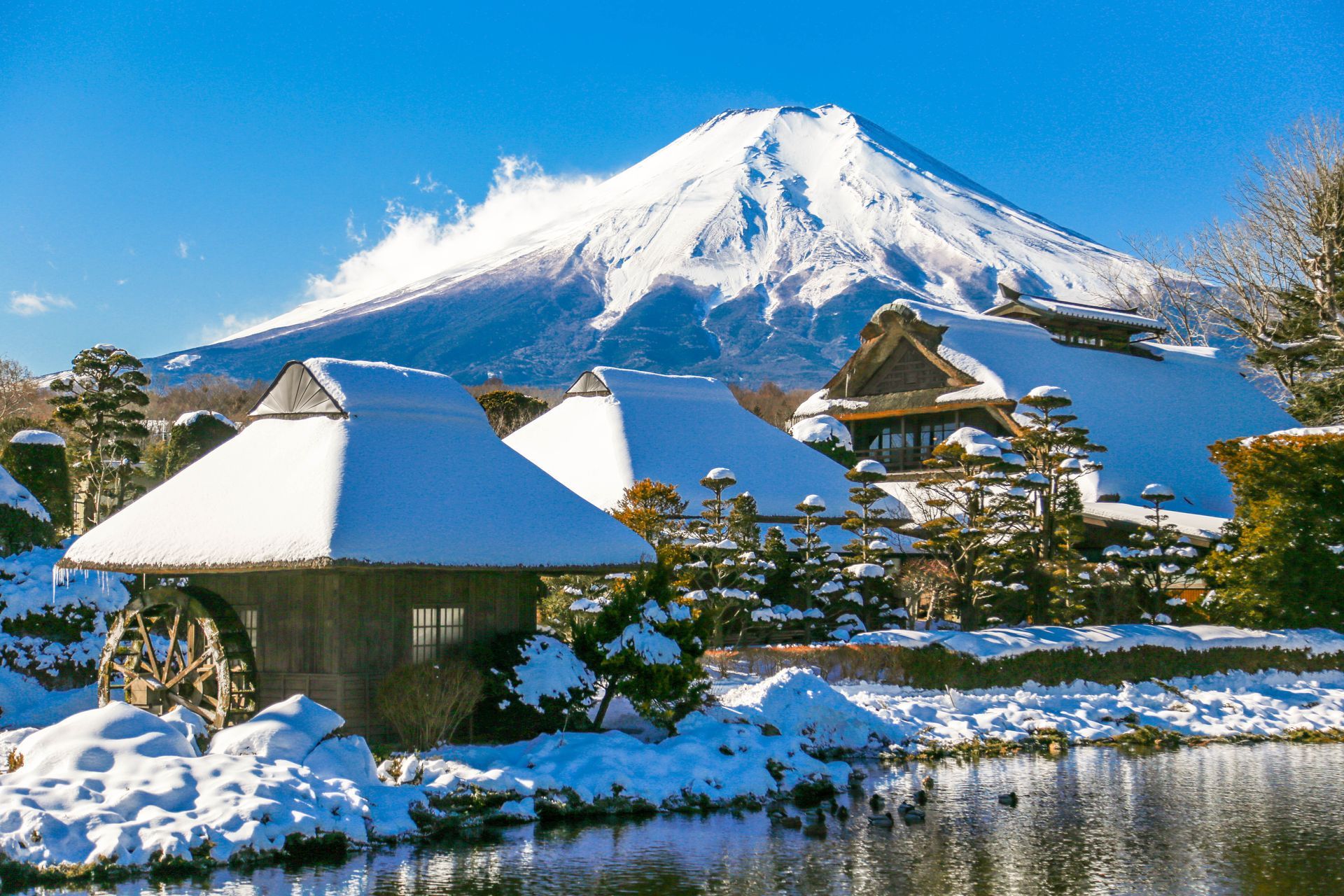
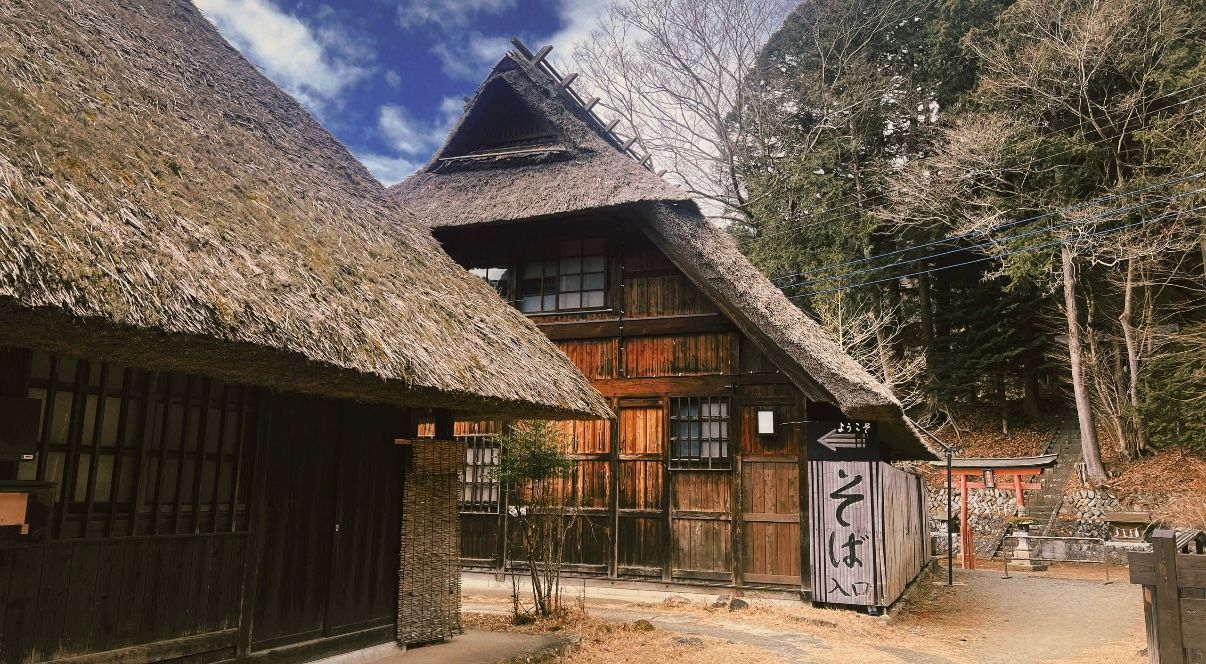
The architecture alone justifies the visit. The steep thatched roofs were not decorative choices; they were technical solutions designed to shed snow and retain heat. Thick layers of grass insulated interiors during winter and allowed ventilation during humid summers. Low ceilings conserved warmth, while locally sourced materials made repairs possible through community labor rather than specialists.
These houses demonstrate that what we now call “traditional” was once engineering shaped by necessity. For travelers interested in how Japanese rural life actually worked, Nenba offers clarity that no viewpoint can provide.
Inside the houses, the presentation remains deliberately restrained. There are no staged reenactments, no mannequins frozen in daily tasks. Instead, hearths, tools, looms, and storage spaces are arranged as they would have been used. This approach shifts responsibility to the visitor: observation replaces instruction.
As a result, Nenba rewards attention. Visitors begin to notice how light enters a room, where tools are kept, and how space is divided between work, rest, and storage. These details form a coherent picture of self-sufficient households operating in a harsh environment. Nenba does not dramatize the past; it makes it legible.
This is precisely why Nenba is strongly recommended as part of a Mt. Fuji visit. Most itineraries focus on visibility and iconic compositions. While those experiences are valuable, they leave an important question unanswered: what did it mean to live here before Mt. Fuji became a destination?
Nenba answers that question directly. After visiting, other sites gain depth. Oshino Hakkai’s springs feel less abstract. Sengen Shrines feel more connected to everyday life. Mt. Fuji itself feels less symbolic and more consequential. Nenba functions as a contextual anchor, grounding the region’s natural and religious sites in lived reality.
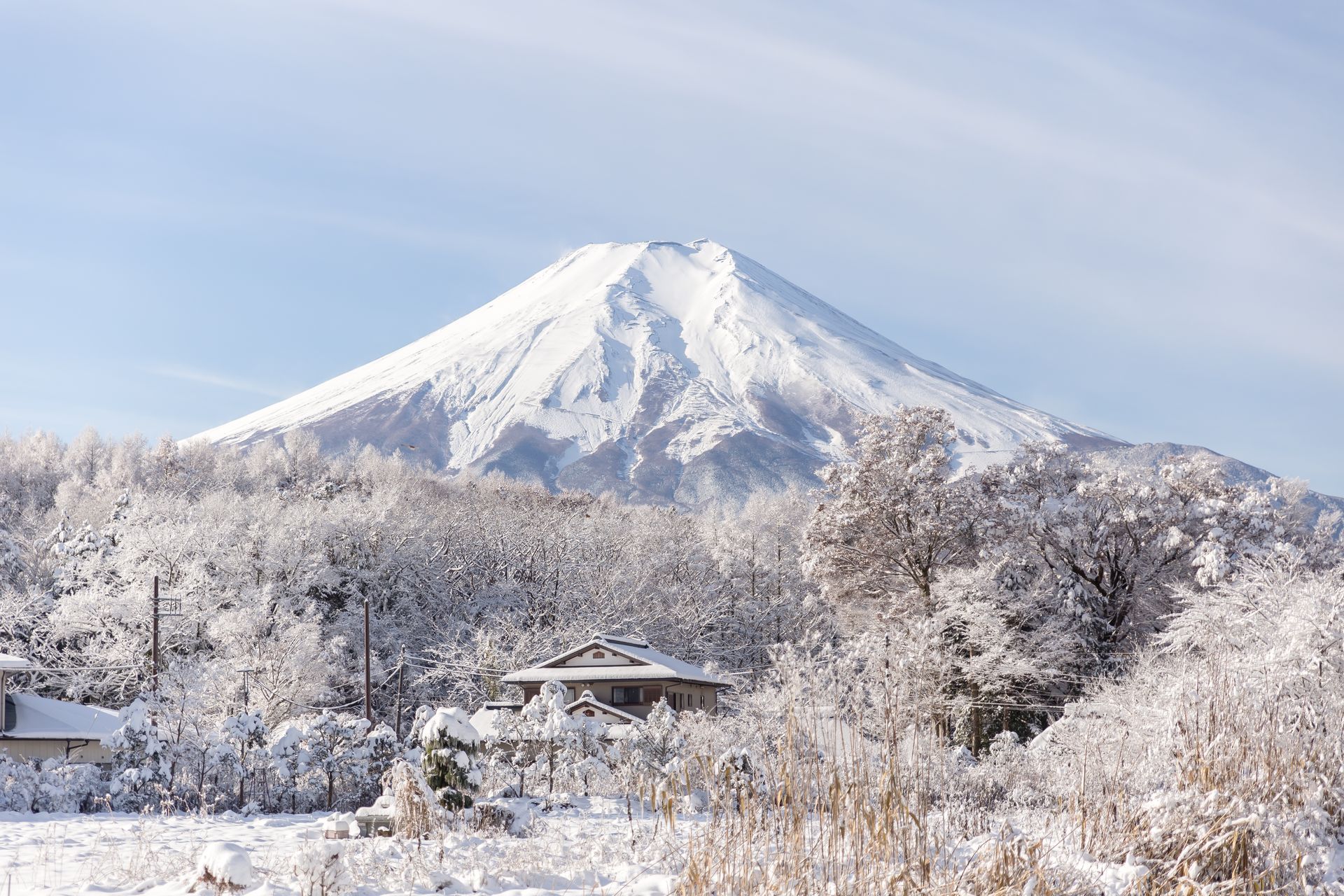
Another reason Nenba is worth recommending is its reliability across seasons. Unlike viewpoint-dependent locations, it remains meaningful even when Mt. Fuji is partially hidden. Spring brings soft light and fresh greenery. Summer offers cool interiors and forest shade. Autumn provides crisp air and clear structure. Winter, with snow resting on thatched roofs, reveals the village at its most atmospheric and least crowded.
Because of this, Nenba works especially well during midday hours, when harsh light often limits photography elsewhere. It fits naturally between major stops, adding balance to a well-paced day.
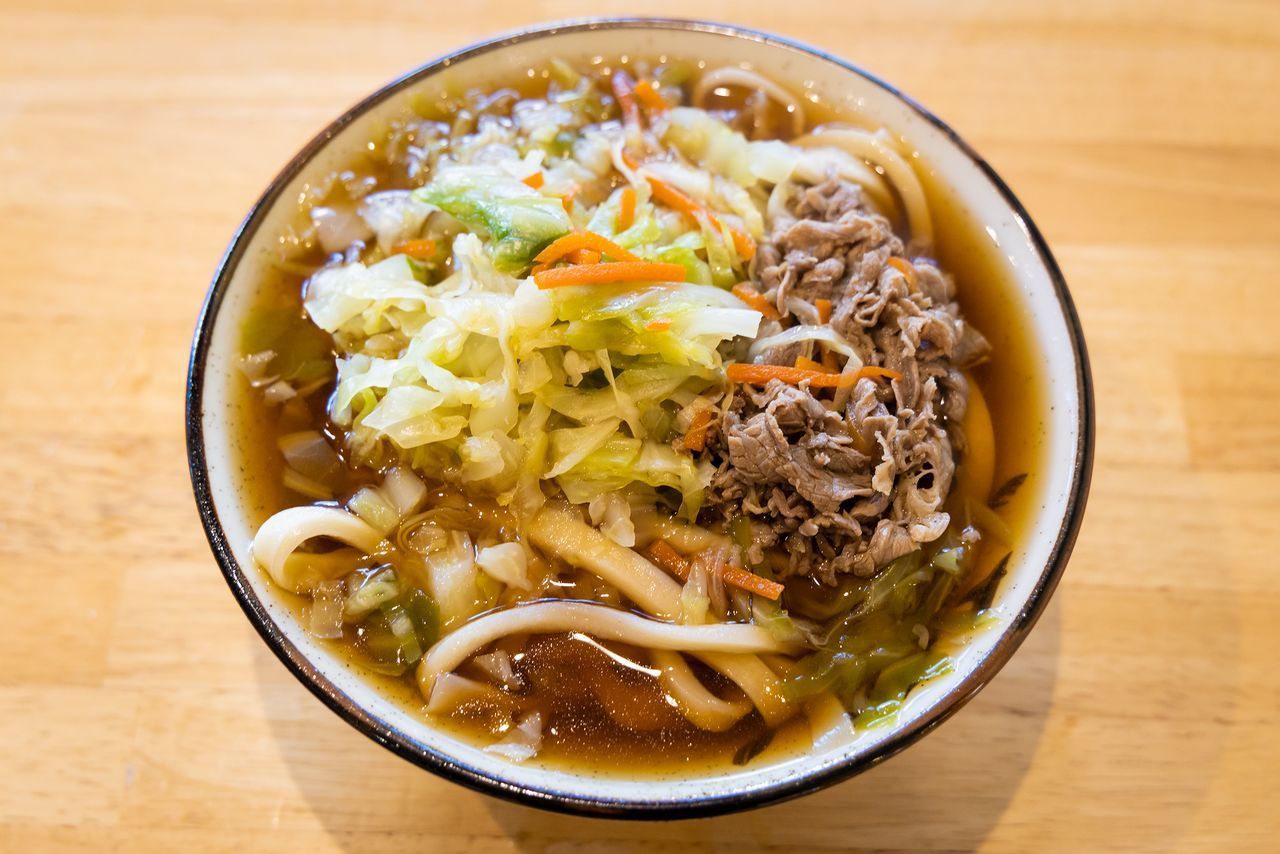
Food and souvenirs play a supporting role rather than a central one. Meals are simple—soba, udon, grilled mochi, tea—reflecting sufficiency rather than indulgence. Souvenirs are most meaningful when handmade: textiles, woodwork, pottery produced on site or locally. These items align with Nenba’s emphasis on time, labor, and material honesty.
Nenba does not attempt to entertain. It does not offer spectacle. This selectivity is intentional.
For this reason, Nenba is not for every traveler. It is best suited to those who value explanation over highlights, and understanding over speed. Visitors seeking quick attractions or dramatic photo opportunities may find it understated. But for travelers who want to understand why life around Mt. Fuji developed the way it did, Nenba is one of the most instructive places in the region.
That is why Nenba is consistently recommended—not as a must-see landmark, but as a place that turns a scenic trip into an informed one.
In a region dominated by views, Saiko Iyashi-no-Sato Nenba offers something rarer: clarity. It shows how people adapted to Mt. Fuji’s environment, how architecture and routine emerged from necessity, and how rural life once functioned beneath a mountain that today is mostly admired from a distance.
For travelers who want more than images, Nenba explains what they are looking at—and why it matters.
Suggested Reading
- Oshino Hakkai — Sacred Springs and the Spiritual Gateway to Mt. Fuji
- Fuji from the West — Wild Lakes and Quiet Shores
- When Is the Best Time of Day to See Mt. Fuji?