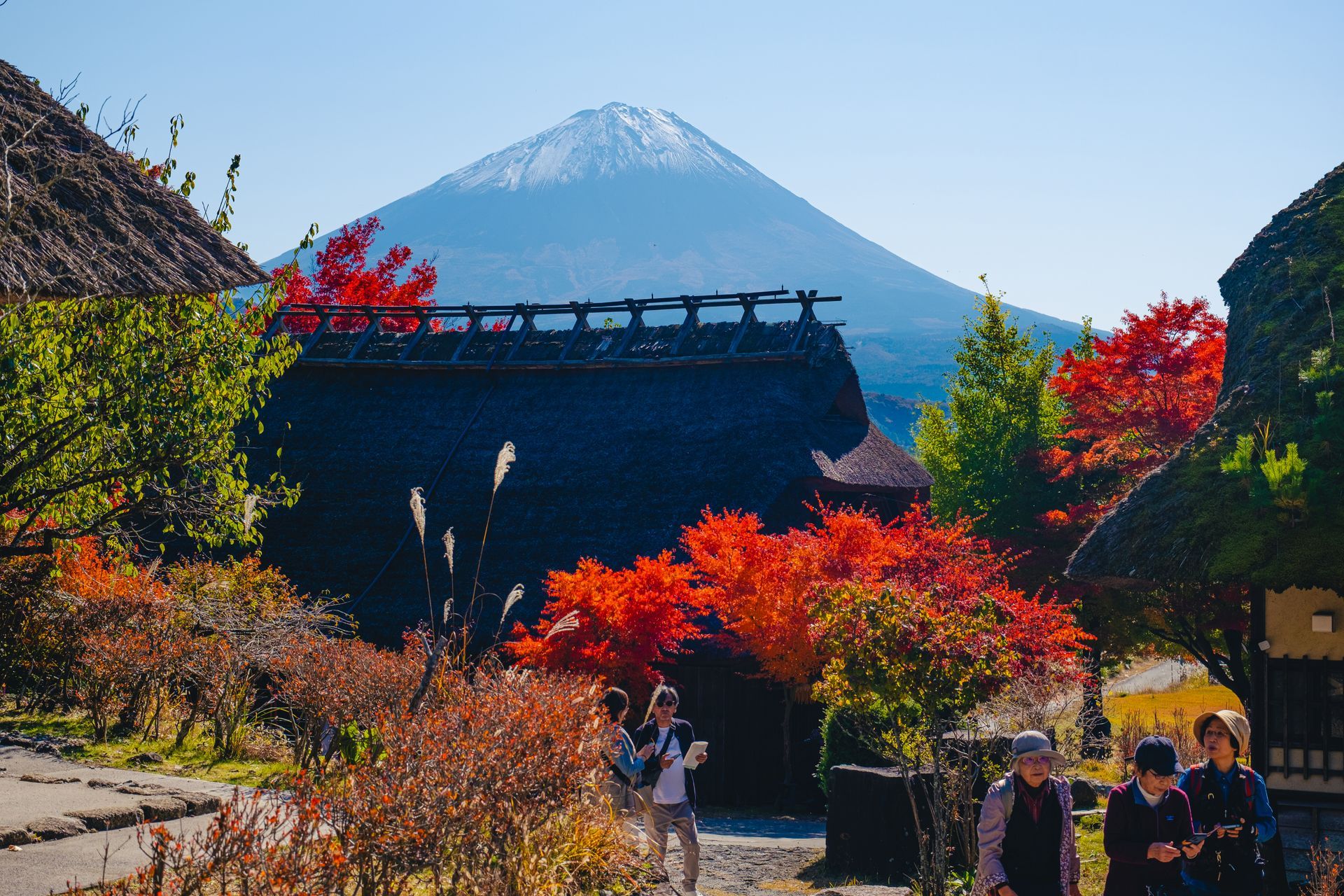
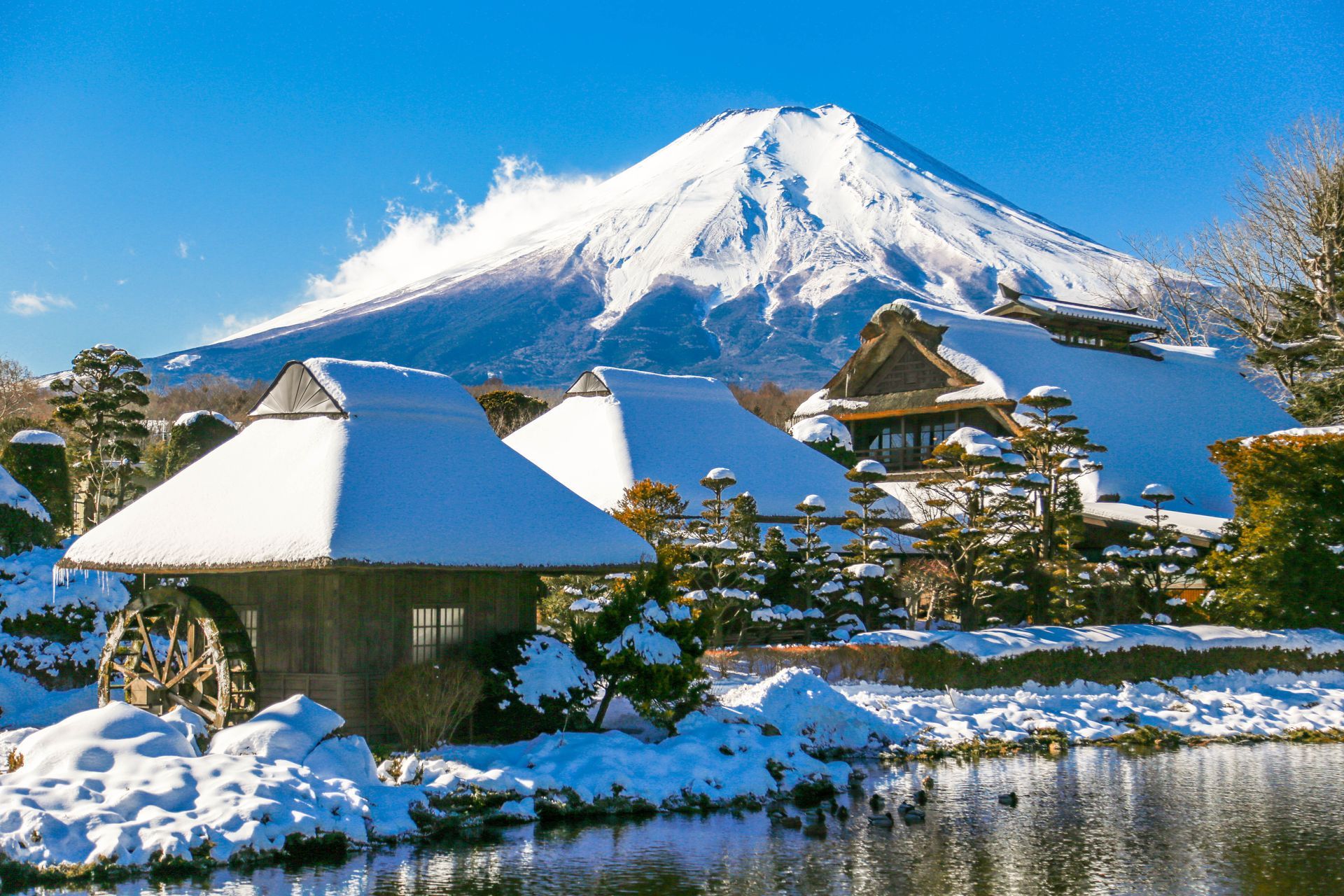
When Is the Best Time of Day to See Mt. Fuji?
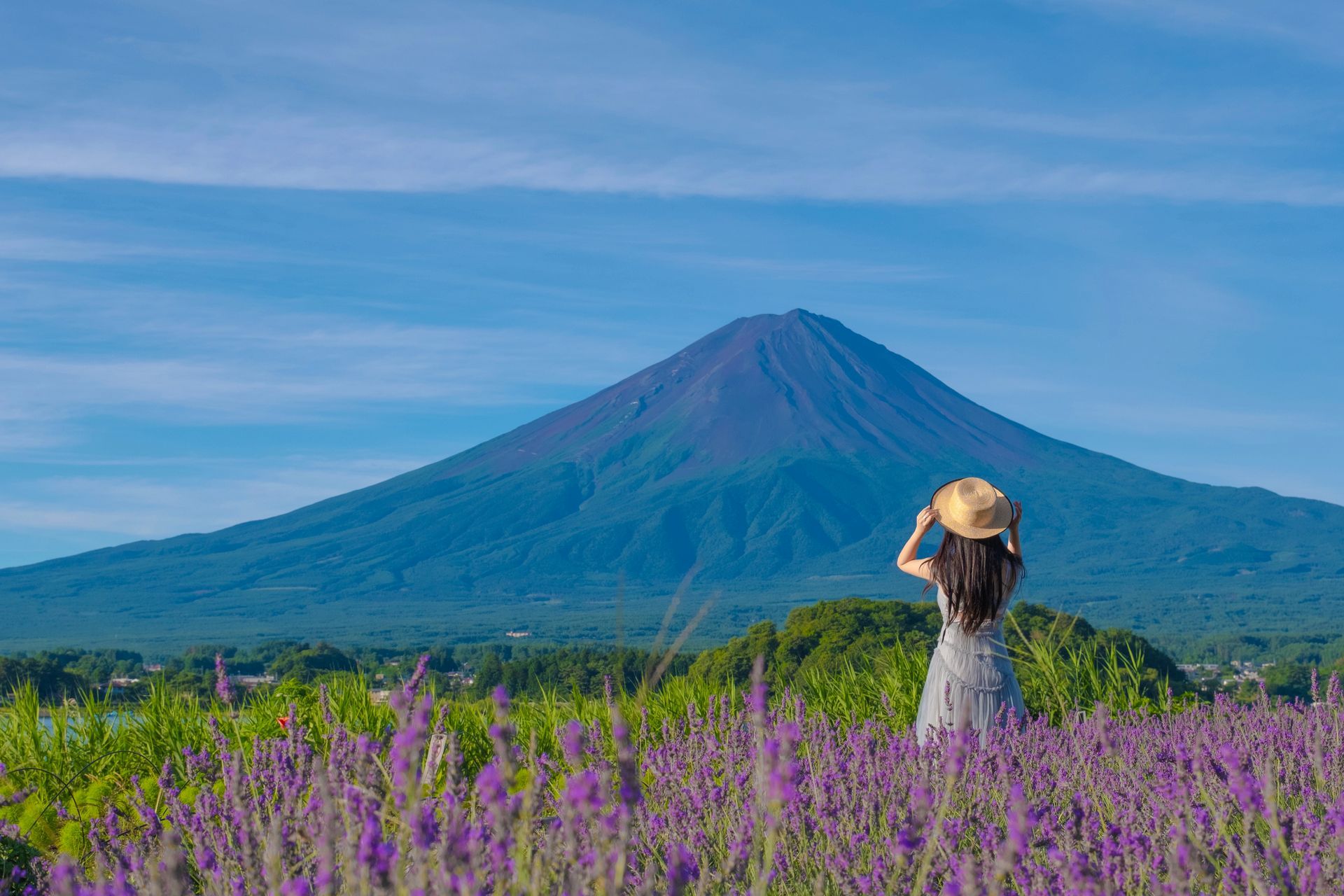
A Visibility-Based Guide for Travelers Who Want Fewer Surprises
Mount Fuji is famous for appearing—and disappearing—without warning.
Many travelers plan their day around a destination, only to realize too late that
time of day matters just as much as location.
This guide explains why Mt. Fuji behaves the way it does, and when you realistically have the best chance of seeing it.
Not theory.
Not averages.
But patterns observed on the ground.
Why Mt. Fuji Visibility Changes So Quickly
Mt. Fuji stands alone at 3,776 meters, directly exposed to wind, moisture, and temperature shifts.
Because of this,
clouds form and move around it faster than around lower mountains.
Three factors matter most:
- Cloud base height
- Wind direction
- Solar heating through the day
Understanding how these interact is more useful than any “sunny / cloudy” forecast.
Early Morning (6:00–9:00 AM): The Most Reliable Window
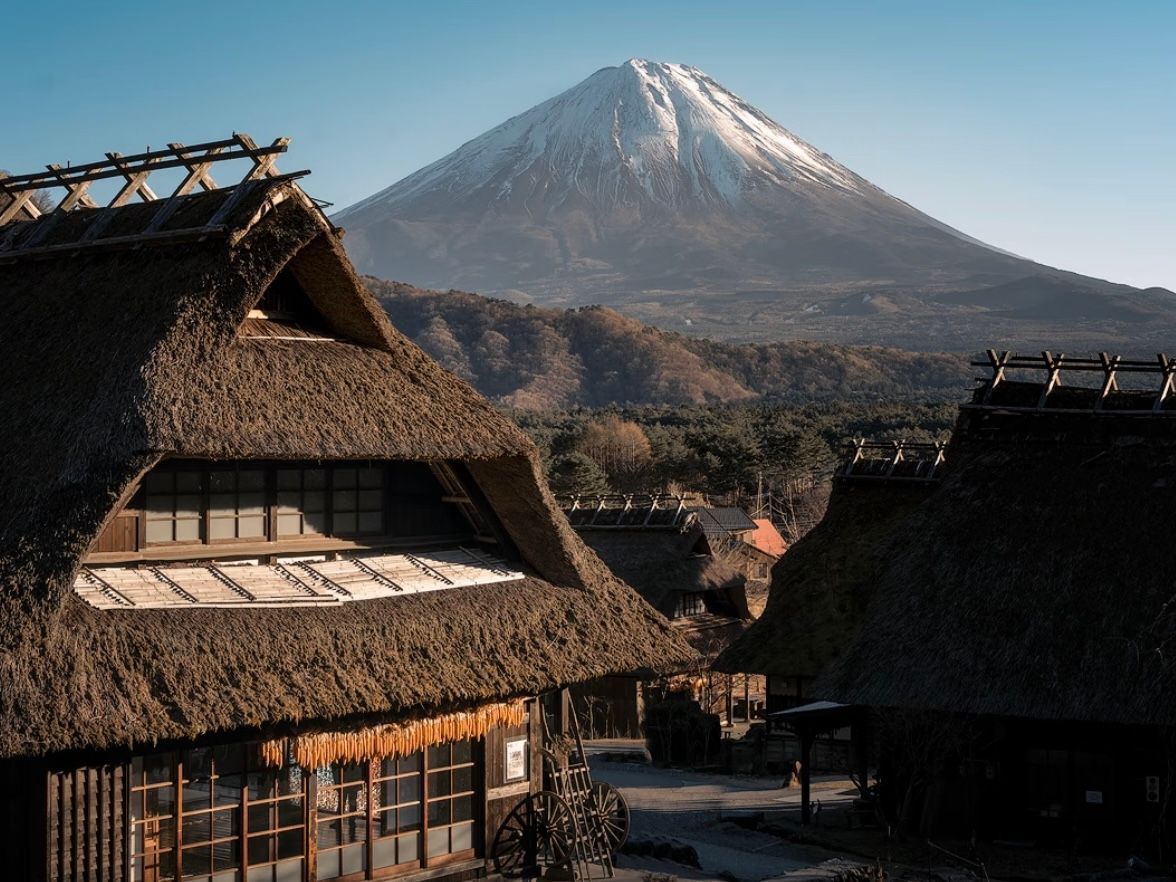
For most of the year, early morning offers the highest visibility probability.
Why Morning Works
- Cooler air holds less moisture
- Ground has not yet warmed enough to generate rising clouds
- Overnight winds often clear the summit
This is why photographers and experienced guides start early—not for drama, but for predictability.
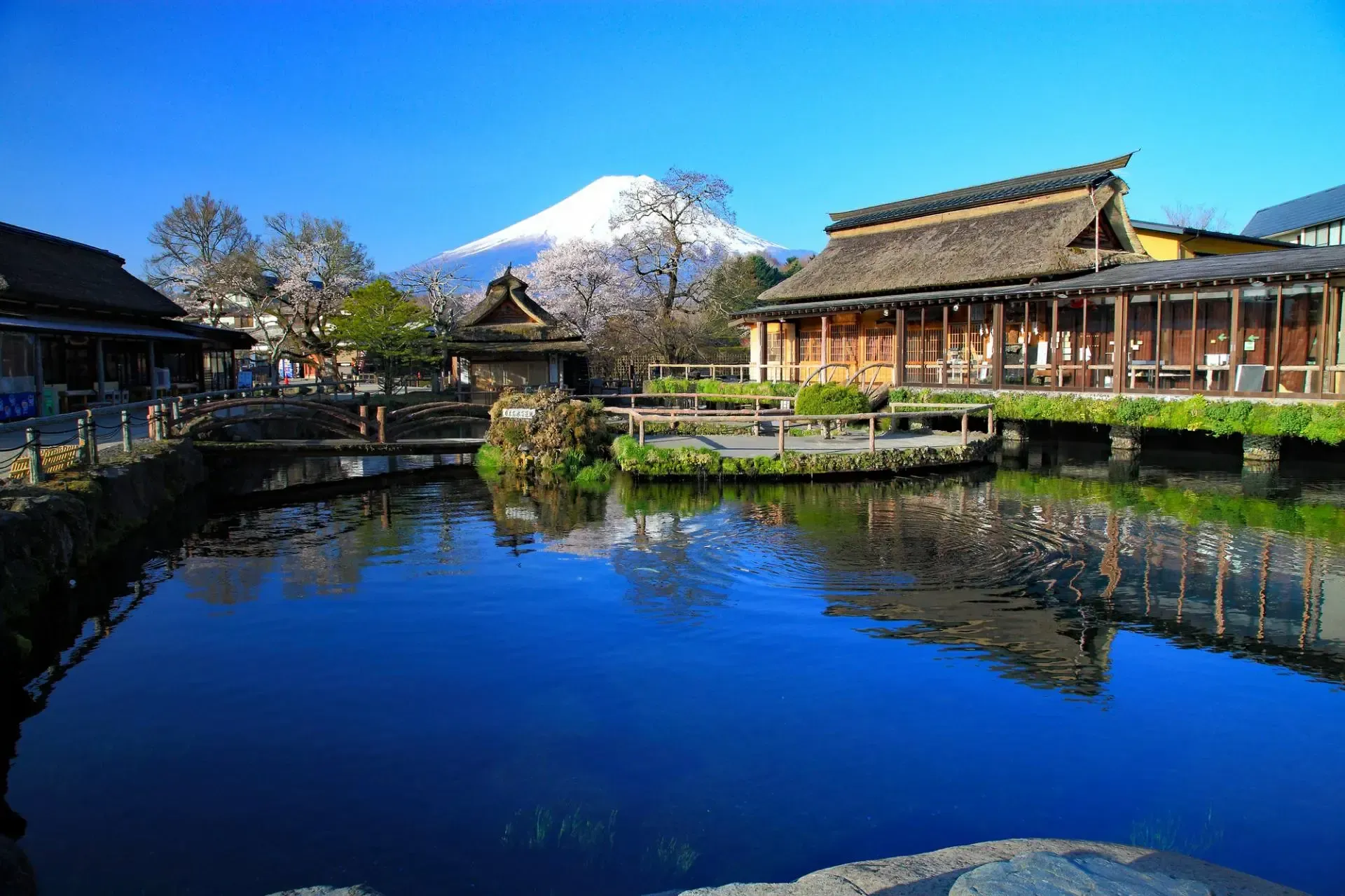
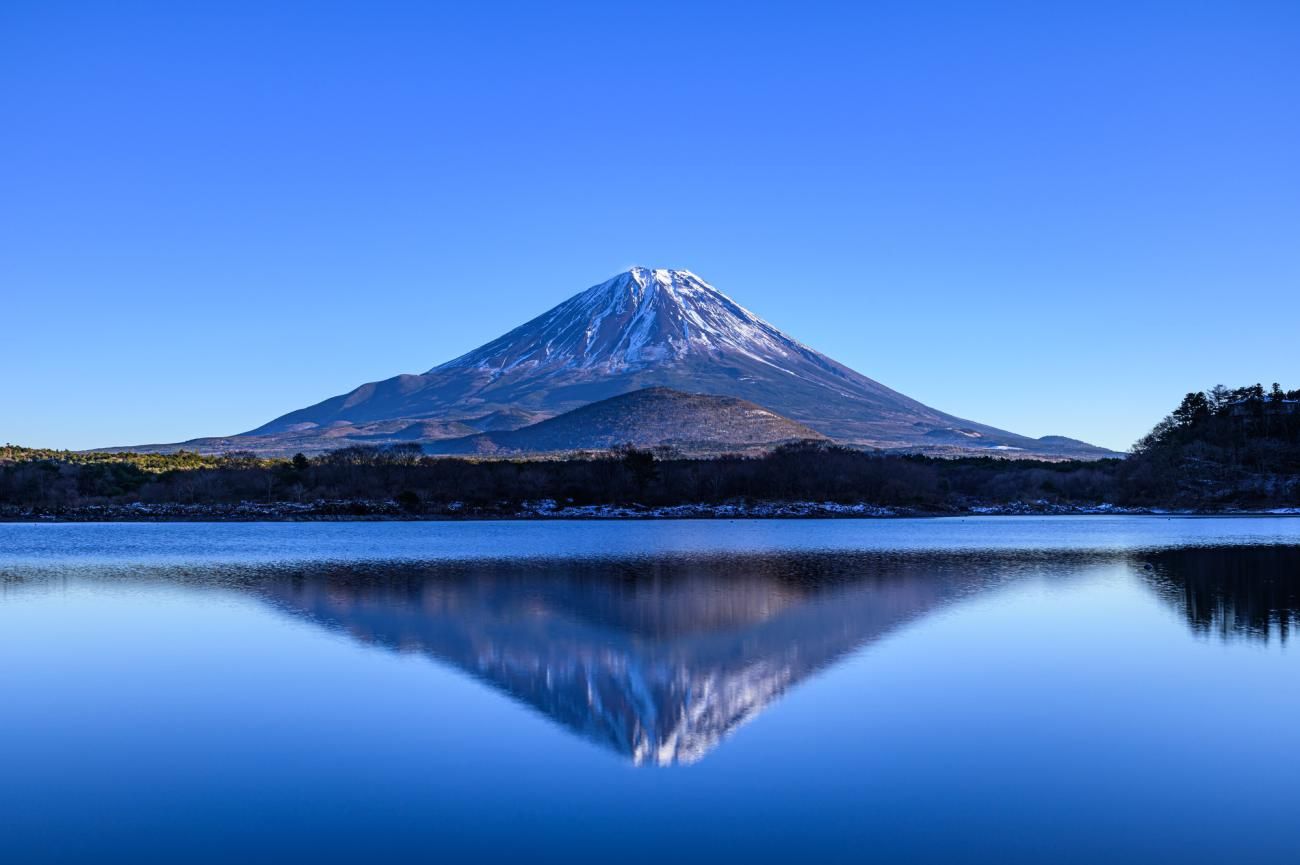
What You’ll Typically See
- Clear or partially clear summit
- Calm lake surfaces (good reflections)
- Soft, directional light on Fuji’s slopes
Best For
- First-time visitors
- Short day trips from Tokyo
- Classic north-side viewpoints (Kawaguchiko, Chureito)
If your schedule allows only one timing window, choose morning.
Late Morning to Early Afternoon (9:30 AM–1:00 PM): The Transition Zone
This period is the most misunderstood.
Fuji may still be visible—but conditions become unstable.
What Changes
- Sun warms the land → warm air rises
- Moisture gathers along Fuji’s mid-slopes
- Clouds begin forming unevenly
Visibility during this window depends heavily on wind direction.
When It Still Works
- Strong north or west winds
- Winter and late autumn
- Drier days with high cloud base (>2,800m)
When It Fails
- Summer humidity
- South winds pushing moisture inland
- “Sunny” forecasts without wind movement
This is the window where flexibility matters most.
Afternoon (1:30–4:30 PM): The Least Reliable, but Not Useless
By afternoon, Fuji is often partially or fully hidden, especially in warmer months.
But this does not mean the afternoon is always a loss.
Typical Afternoon Conditions
- Clouds wrap around mid-to-upper slopes
- Summit disappears, reappears briefly
- Visibility becomes momentary rather than continuous
When Afternoon Can Still Be Worth It
- Winter (cold, dry air)
- Strong clearing winds
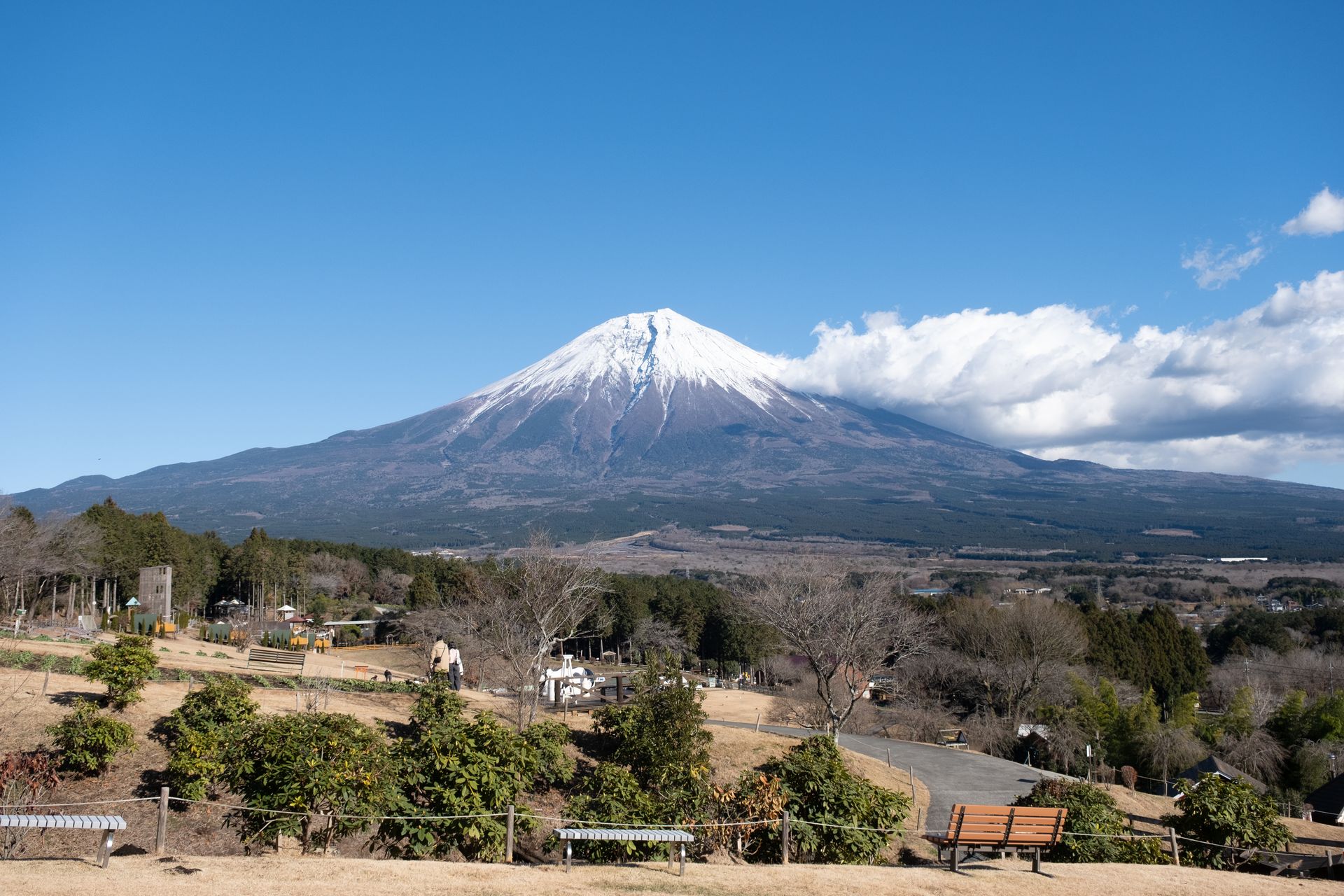
- Western or southern viewpoints with open horizons
Afternoons reward patience, not expectation.
Seasonal Differences Matter More Than Most People Realize
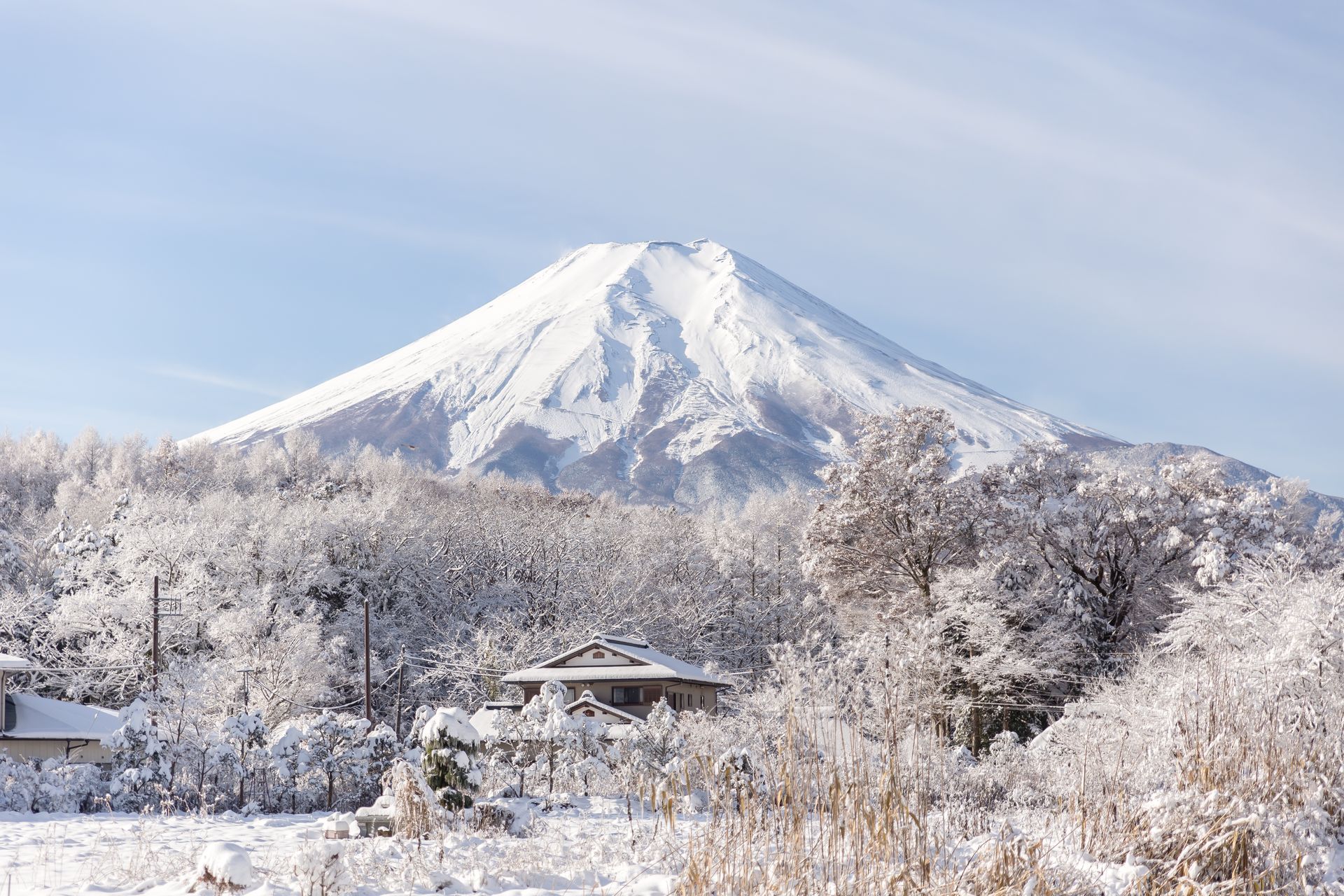
Winter (Dec–Feb)
- Highest clarity of the year
- Visibility can remain all day
- Cold air produces sharp ridgelines
Best season for flexibility.
Spring (Mar–May)
- Excellent mornings
- Clouds form earlier as temperatures rise
- Sakura season still favors early starts
Summer (Jun–Sep)
- Lowest overall visibility
- Morning window often short (sometimes <1 hour)
- Afternoon visibility is rare
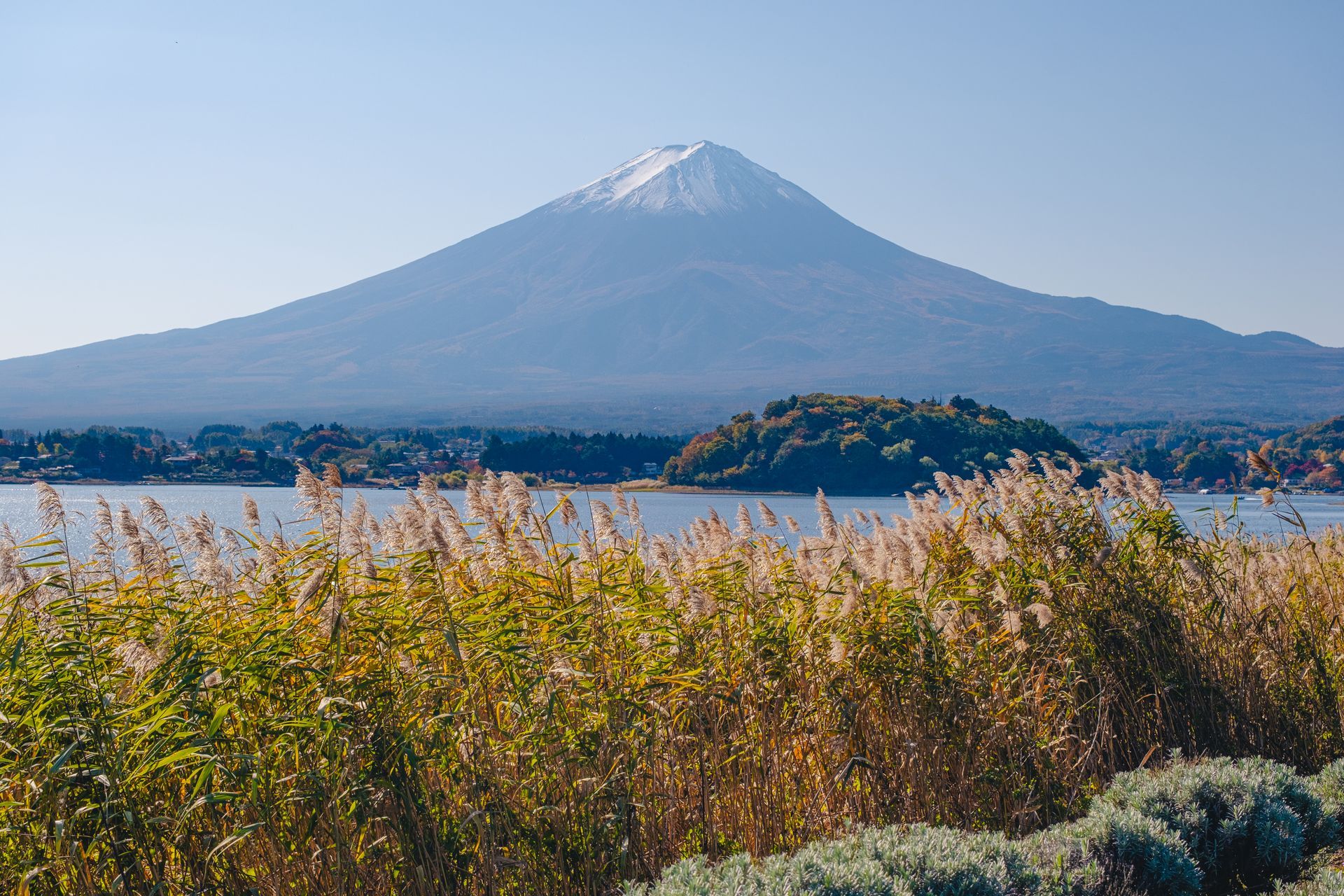
Autumn (Oct–Nov)
- One of the most balanced seasons
- Clear mornings, structured cloud movement
- Excellent for photographers
A Practical Rule We Actually Use
Instead of asking
“Will Mt. Fuji be visible today?”
A better question is:
“When is my best window—and how flexible am I?”
In practice:
- Morning = plan primary viewpoints
- Midday = adjust location, not expectation
- Afternoon = shift focus to atmosphere, not summit
This mindset avoids disappointment.
Why Time Matters More Than “Famous Spots”
Many iconic viewpoints fail simply because visitors arrive too late.
A quiet lake at 8:00 AM
often outperforms
a famous pagoda at 1:00 PM.
This is why experienced planners:
- Choose timing first
- Then choose the side of the mountain
- Then select specific spots
Not the other way around.
How We Plan Days Around Visibility
When designing Mt. Fuji routes, we do not lock everything in advance.
We:
- Monitor cloud base and wind the night before
- Adjust the order of stops, not just locations
- Choose sides of Fuji that match the day’s conditions
This flexibility often turns an “uncertain day” into a successful one.
Final Thought
Seeing Mt. Fuji is not about luck.
It is about
timing, expectation, and adaptability.
The mountain rewards those who arrive early—
and understand when to wait, move, or let go.
Suggested Reading
- Photographing Mt. Fuji: Part 1 — North Side
- Fuji from the West — Quiet Lakes & Wild Shores
- Fuji from the South — Open Plateaus & Rural Landscapes