📸 Photographing Mt. Fuji: Part 3 Fuji from the South — Open Plateaus, Rural Landscapes, and Wide Horizons
📸 Photographing Mt. Fuji: Part 3
Fuji from the South — Open Plateaus, Rural Landscapes, and Wide Horizons
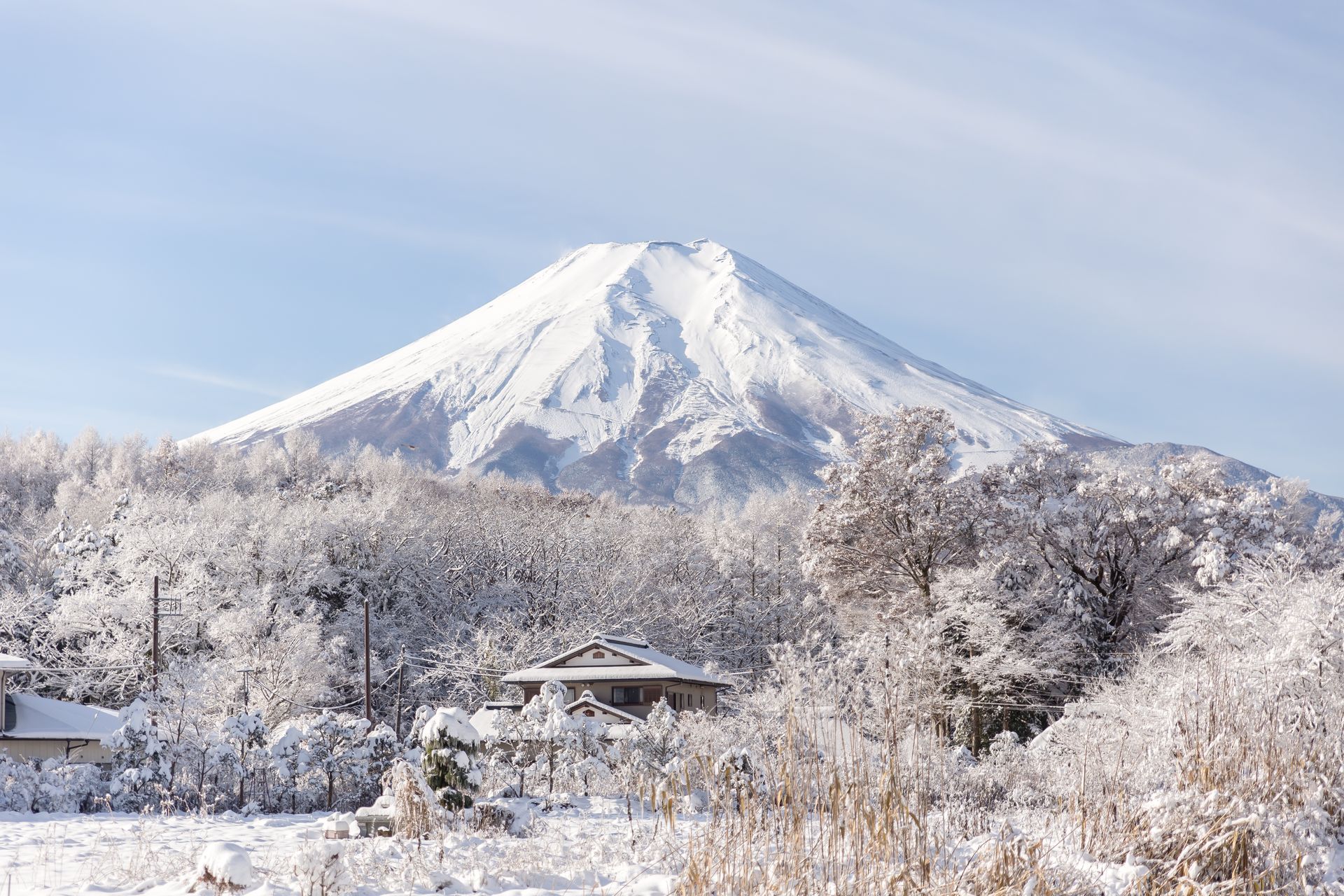
Mount Fuji does not always rise from lakes or pagodas.
From the south, the mountain stands against
open land, wide sky, and working countryside—a perspective that feels less curated and more lived-in.
This is the side of Fuji that many travelers never see.
Yet for photographers and slow travelers, it may be the most honest.
🌾 1. Asagiri Plateau — Where Fuji Meets the Pasture
Address (EN): Asagiri Kogen, Fujinomiya, Shizuoka
Address (JP): 静岡県富士宮市朝霧高原
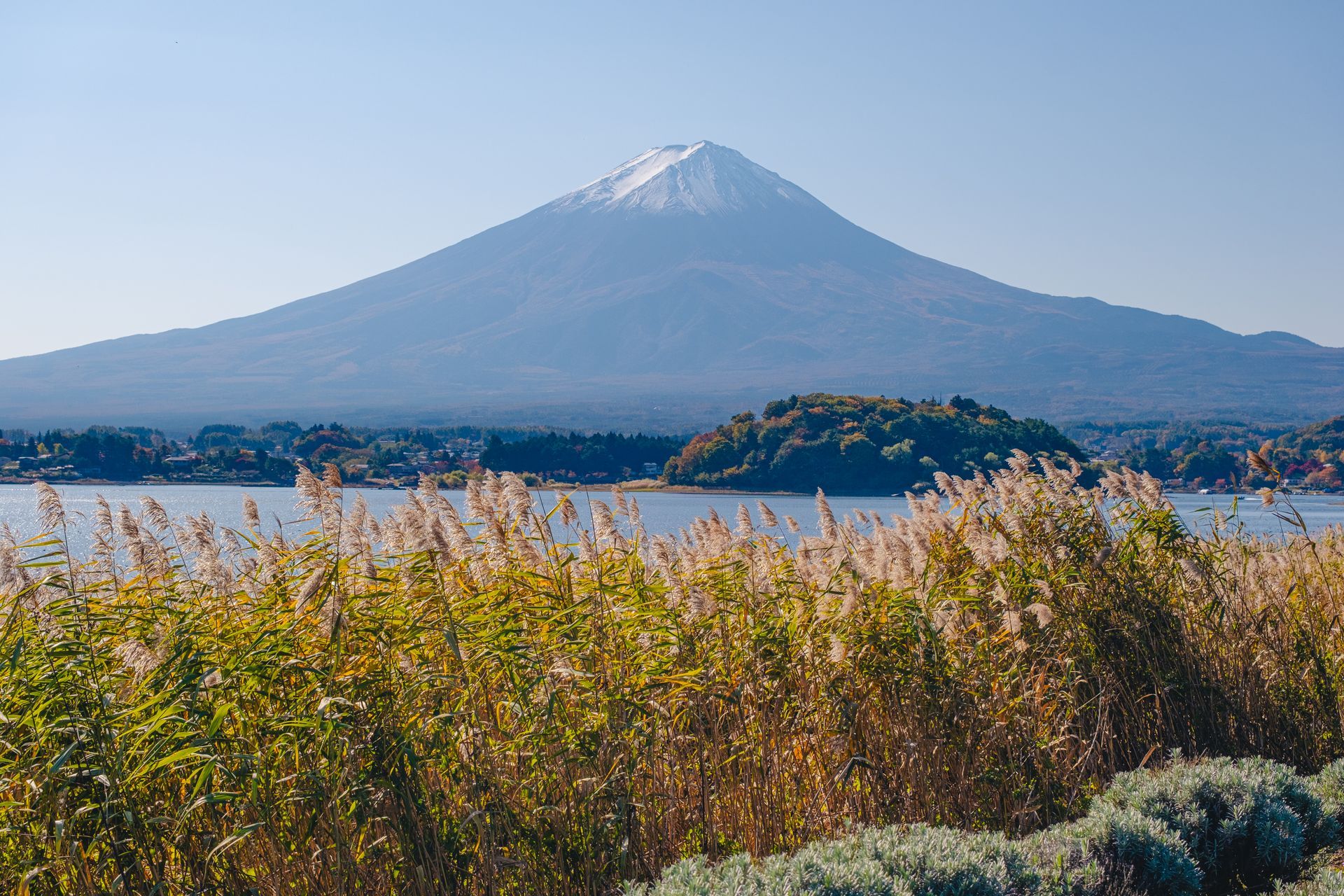
Asagiri Plateau spreads wide and quiet beneath Fuji’s southwestern slopes.
Here, the mountain rises over grassland and grazing fields, with fences and farm roads tracing the landscape.
Unlike Kawaguchiko’s framed compositions, Asagiri offers
horizontal space.
Fuji appears larger, but also more distant—anchored in a living rural environment.
Weather Insight
- Cloud Base above 2,500–3,000m → full summit visibility
- North or west winds → clearer conditions
- Morning fog sometimes forms in spring and autumn, lifting by 8:00–9:00 AM
Photography Notes
- Wide lenses (24–35mm) emphasize the open plains
- Telephoto compresses the pasture layers and mountain ridges
- Late afternoon side light reveals texture on Fuji’s slopes
🐑 2. Makaino Farm — Human Scale Against the Mountain
Address (EN): 1327-1 Ueno, Fujinomiya
Address (JP): 静岡県富士宮市内野1327-1
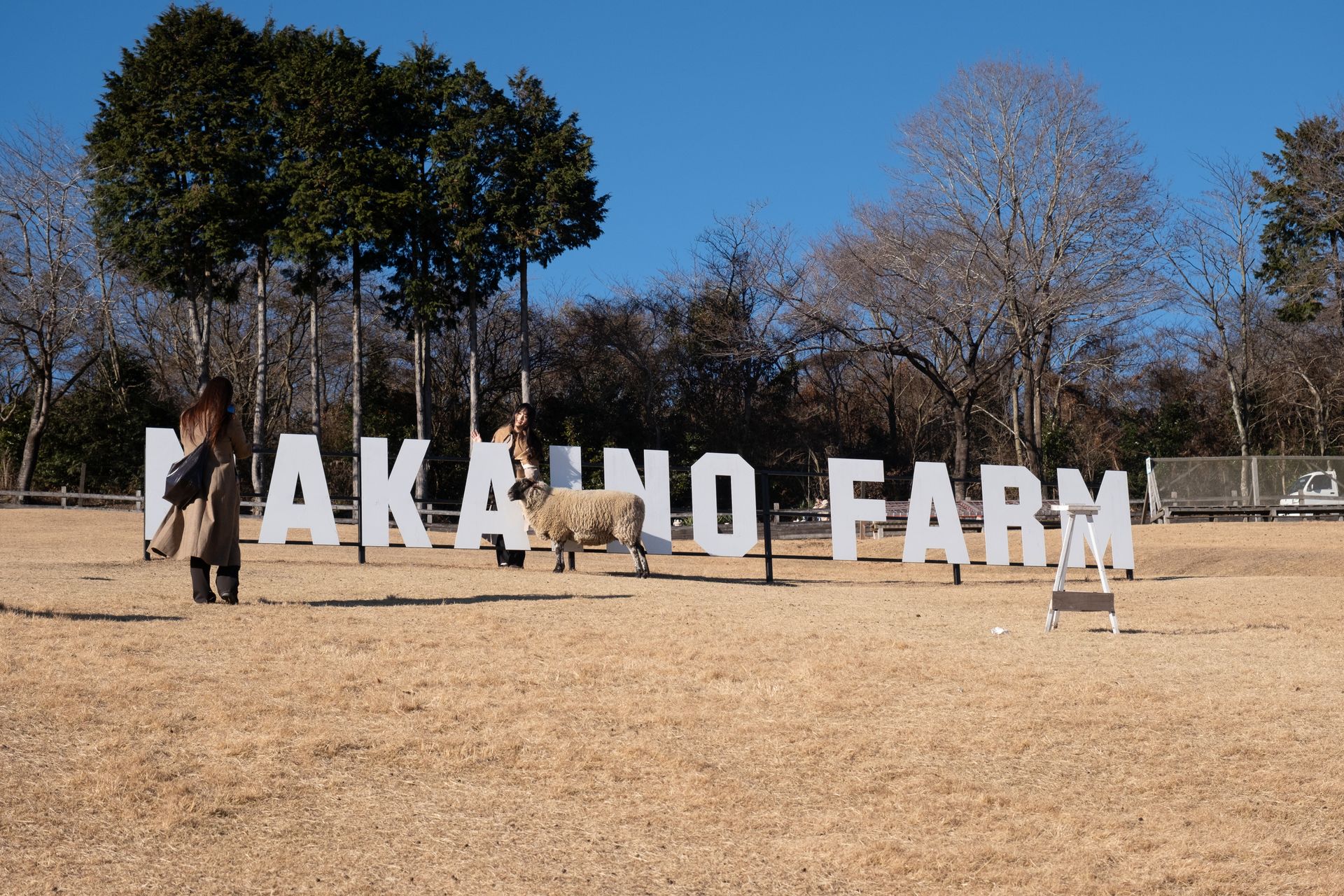
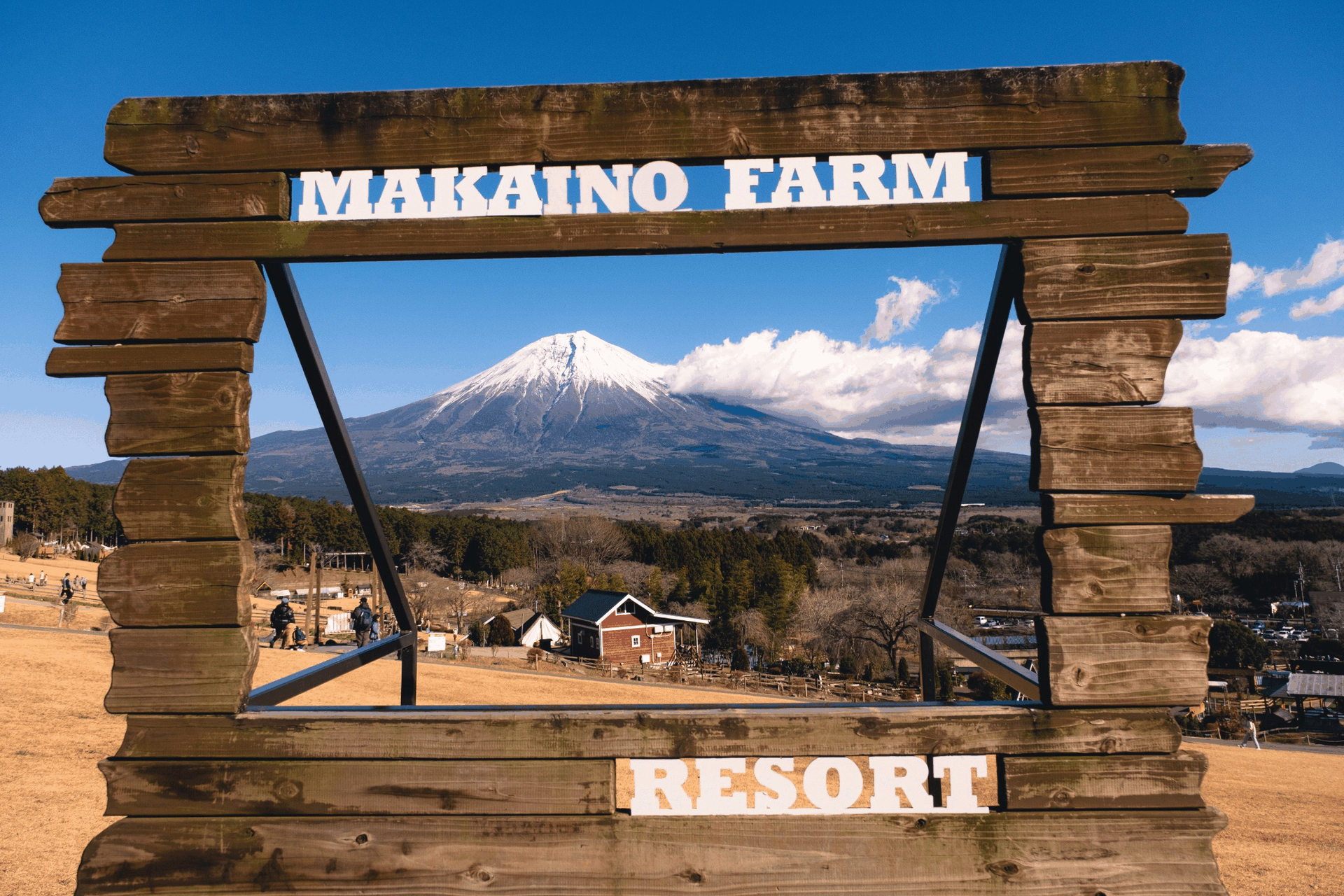
Makaino Farm is one of the rare places where Fuji feels integrated into daily life.
Children play on wooden structures, sheep wander near fences, and visitors move freely across gentle hills.
Fuji is not isolated here.
It becomes a
background presence, quietly defining the horizon.
Weather Insight
- Southwest-facing terrain often maintains stable visibility
- Cloud Base above 2,500m typically reveals the summit
- Partial cloud cover still produces atmospheric compositions
Photography Notes
- Foreground subjects (people, swings, fences) create scale
- Mid-range focal lengths (35–70mm) balance subject and mountain
- Wind adds movement to grass and clouds—use faster shutter speeds
💧 3. Shiraito Falls — Water, Forest, and a Hidden Fuji Frame
Address (EN): 273-1 Kamiide, Fujinomiya
Address (JP): 静岡県富士宮市上井出273-1
Shiraito Falls is not a Fuji viewpoint in the classic sense.
Instead, it offers
context—cool forest air, layered cascades, and volcanic rock formed by Fuji’s eruptions.
From select trails and parking areas, Fuji appears faintly above the forested ridges.
It feels distant and geological, a reminder that the mountain shaped this landscape.
Weather Insight
- Works well even with partial cloud cover
- Cloud Base above 2,000–2,500m often sufficient for silhouette views
- After rain, humidity increases mist and atmosphere
Photography Notes
- Use longer exposures for waterfalls (ND filter recommended)
- Wide lenses for forest depth; telephoto for layered ridges
- Cloudy days provide soft, balanced light
🍃 4. Asagiri Food Park & Rural Roads — Everyday Fuji
The southern side is dotted with farms, roadside cafés, and local food facilities.
From simple roadside pullouts, Fuji rises above barns, greenhouses, and tractors.
These scenes feel documentary rather than scenic.
For some photographers, this is Fuji at its most authentic.
Photography Notes
- 35–50mm focal lengths create a documentary feel
- Include roads, fences, or farm buildings for narrative context
- Early morning or late afternoon light adds depth and texture
🌤 South Side Weather Summary
- Best seasons: autumn, winter, early spring
- Ideal cloud base: 2,500–3,000m
- Morning fog: possible on the plateau, usually lifts by 8–9 AM
- Wind: north/west wind clears the mountain; south wind brings moisture
Compared to the north, the south often feels less crowded but less predictable—a trade-off many slow travelers prefer.
🚗 Transportation Insight
Public transportation in the south is limited.
Buses are infrequent, and locations are widely spaced.
Taxi: practical for short hops
Rental car: flexible but navigation required
Charter: ideal for photographers and multi-location schedules
Flexibility is the key advantage here—waiting for light, changing viewpoints, and leaving when the atmosphere shifts.
🧭 How the South Completes the Fuji Experience
- North: framed, iconic, approachable
- West: quiet, layered, atmospheric
- South: open, rural, expansive
Each side reveals a different personality of Fuji.
The south is where the mountain feels less staged—and more present.
Final Thoughts
From the south, Mt. Fuji is not a postcard.
It is a backdrop to daily life, agriculture, wind, and open land.
For travelers seeking space, calm, and a slower rhythm,
this is where Fuji feels most real.