Mt. Fuji Day Trip from Tokyo

JIAXIN LI • January 14, 2026

🗻 Mt. Fuji Day Trip from Tokyo (2026 Complete Guide)
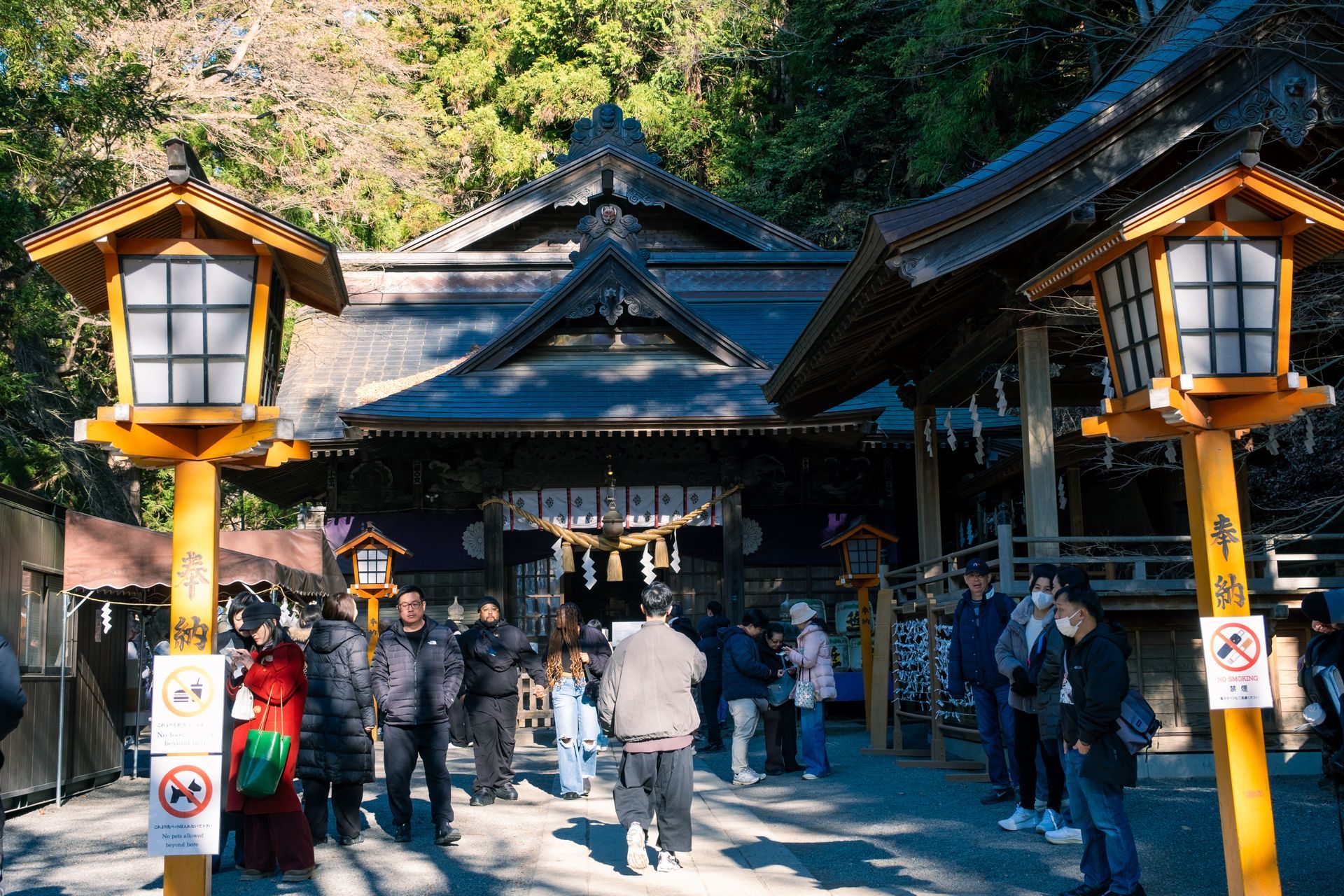
Visiting Mt. Fuji is one of the most iconic experiences for travelers in Japan. But whether you can actually see the mountain—and whether you enjoy your day—depends heavily on weather, timing, and choosing the right route.

As a Tokyo-based travel company operating Mt. Fuji tours 365 days a year, we created this guide using real field experience:

  • Where to get the best views
  • How to avoid crowds
  • When Mt. Fuji is usually visible
  • The perfect one-day route
  • Public transport vs. guided tour
  • 2025 latest tips and seasonal updates

Let’s make sure your Mt. Fuji trip becomes one of the best days of your Japan journey.

🌤 1. Is Mt. Fuji visible in 2025? (Best Time to Visit)

Mt. Fuji is not visible every day—in fact, many travelers come on a cloudy day and see nothing.
Here is a realistic visibility overview based on our on-site experience:

Best months for visibility:

December – January – February – March

  • Dry air, high visibility
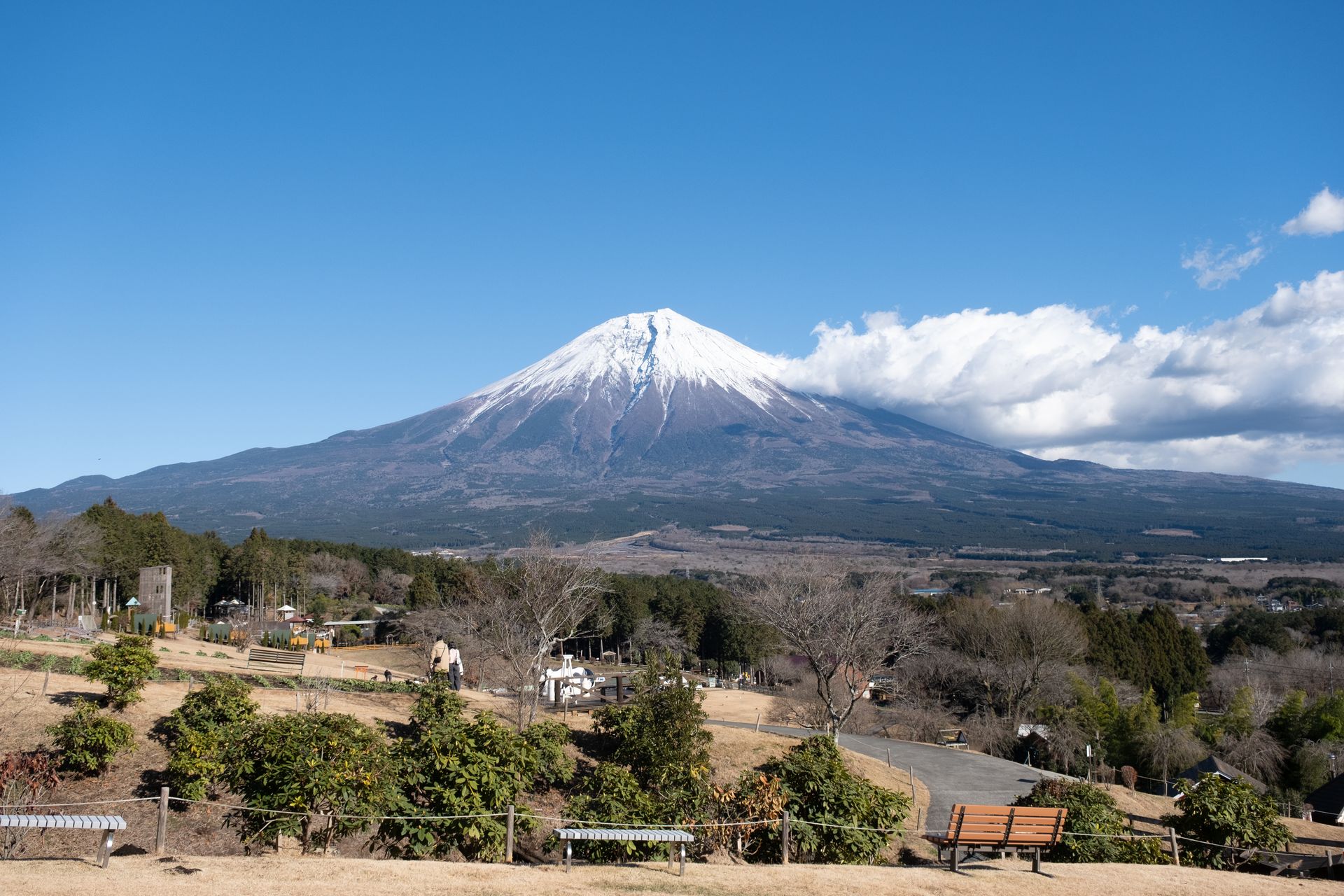
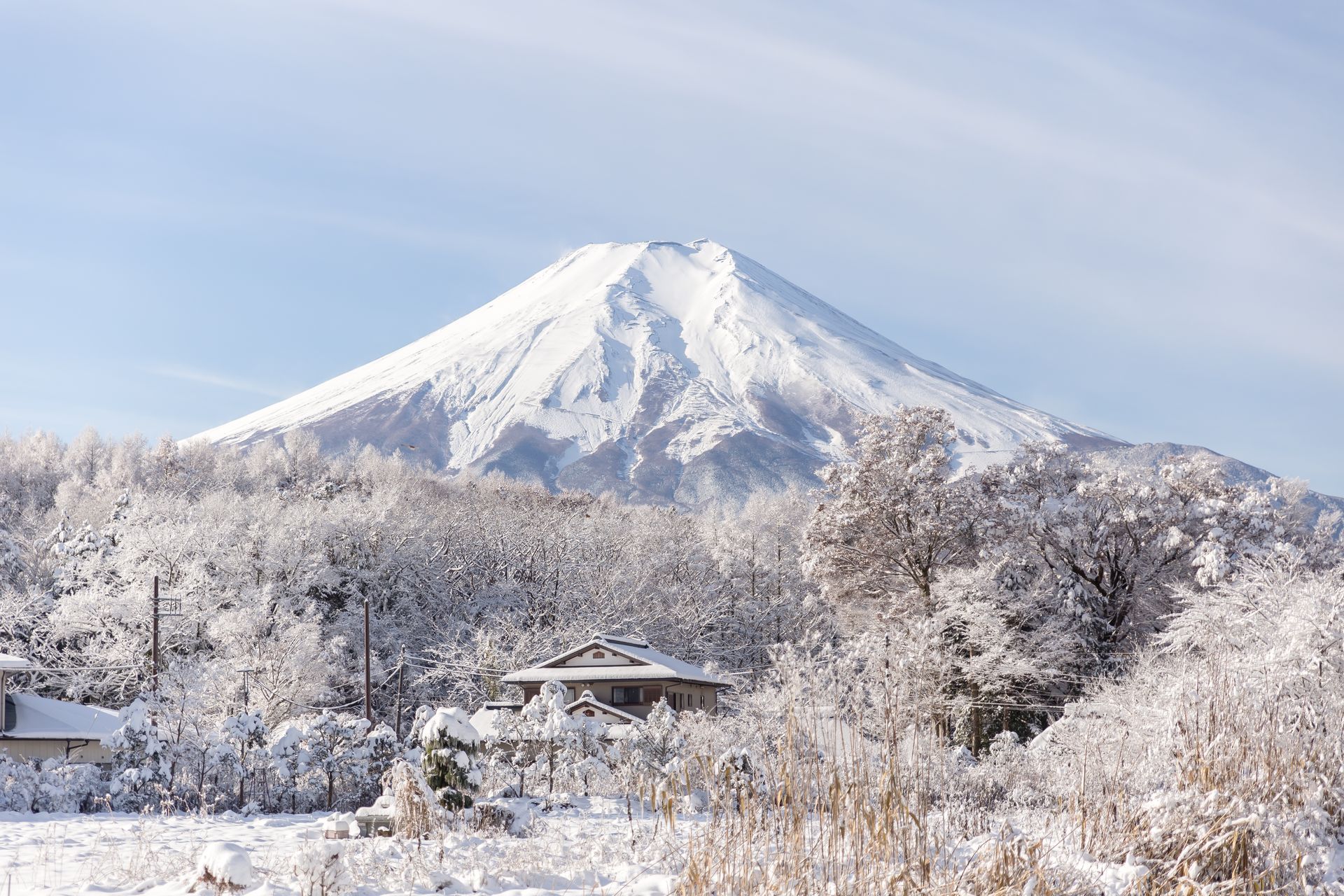
  • Snow-capped Fuji
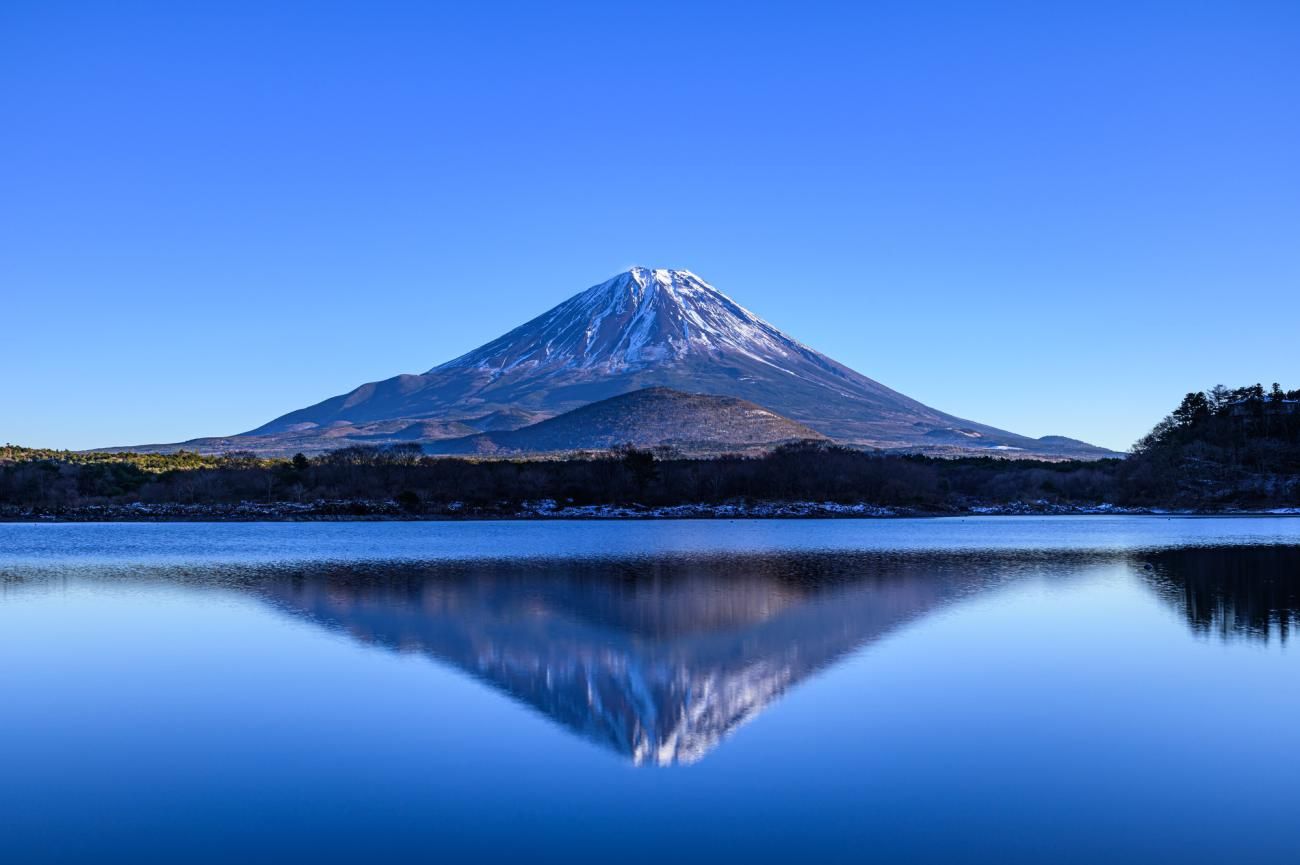
  • Clear and crisp blue sky
  • Best for photography

Good visibility months:

April / May / November

  • Spring and autumn give strong Fuji views
  • Ideal for cherry blossoms or autumn leaves

Low visibility months:

June – July – August

  • Rainy season
  • High humidity
  • Clouds often cover the peak
  • You may only see Fuji early morning

🎯 Pro Tip:

Check the forecast 1 day before, not 1 week before.
Use keywords like “visibility 富士山 見える” on Japanese apps such as Windy or Tenki.jp.

🗺 2. Best Mt. Fuji Viewpoints (Real Local Recommendations)

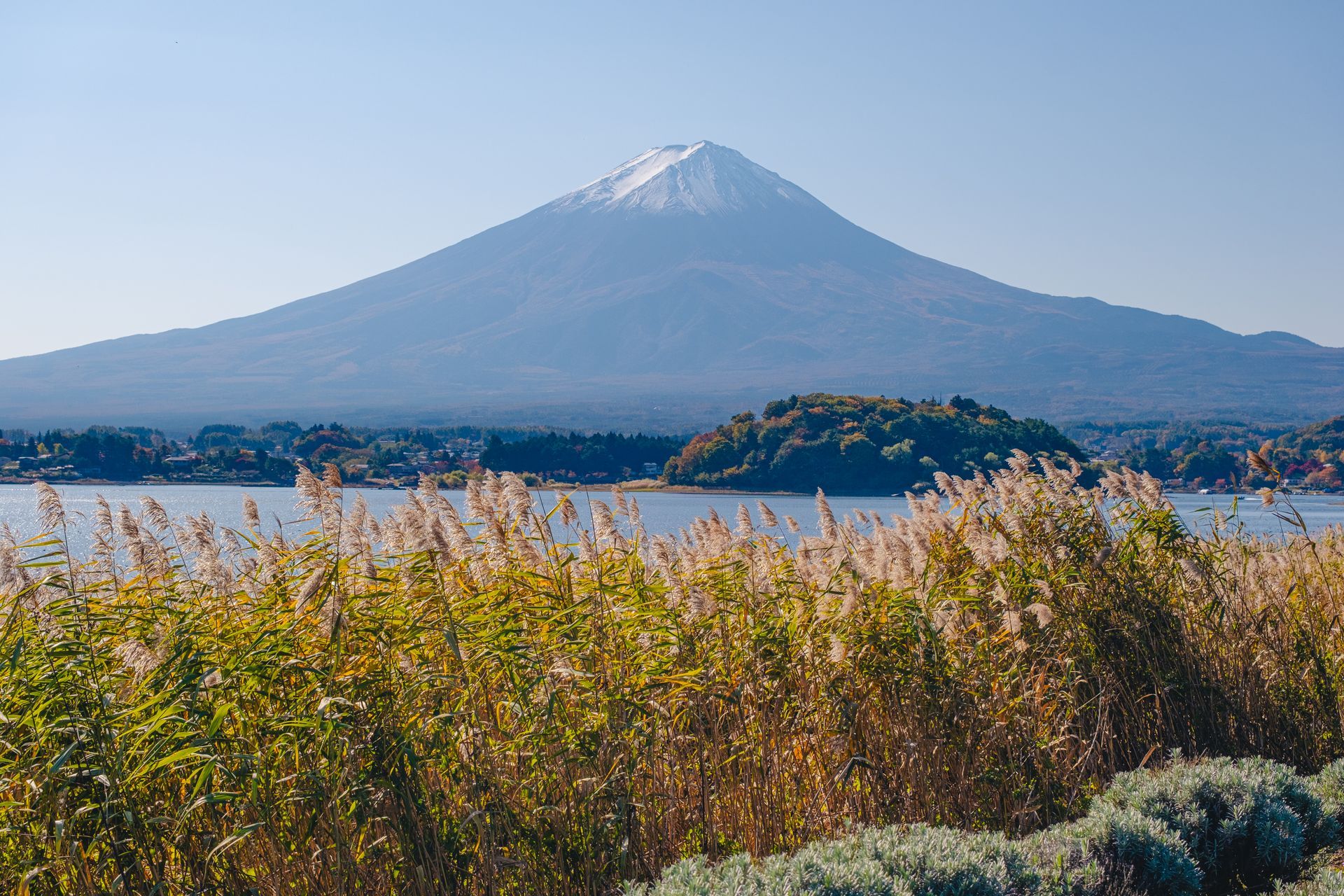
🏞 ① Oishi Park

Best for: wide lake view + seasonal flowers
Why it’s great:
open space, easier to photograph, less crowded
Best season:
Autumn (red foliage), Winter (snow Fuji), Summer lavender

🍁 ② Momiji Corridor

Best for: Autumn leaves + Fuji
Season:
Late Oct – Mid Nov
Local tip:
go early morning to avoid crowds
Light direction:
Fuji is well-lit until noon

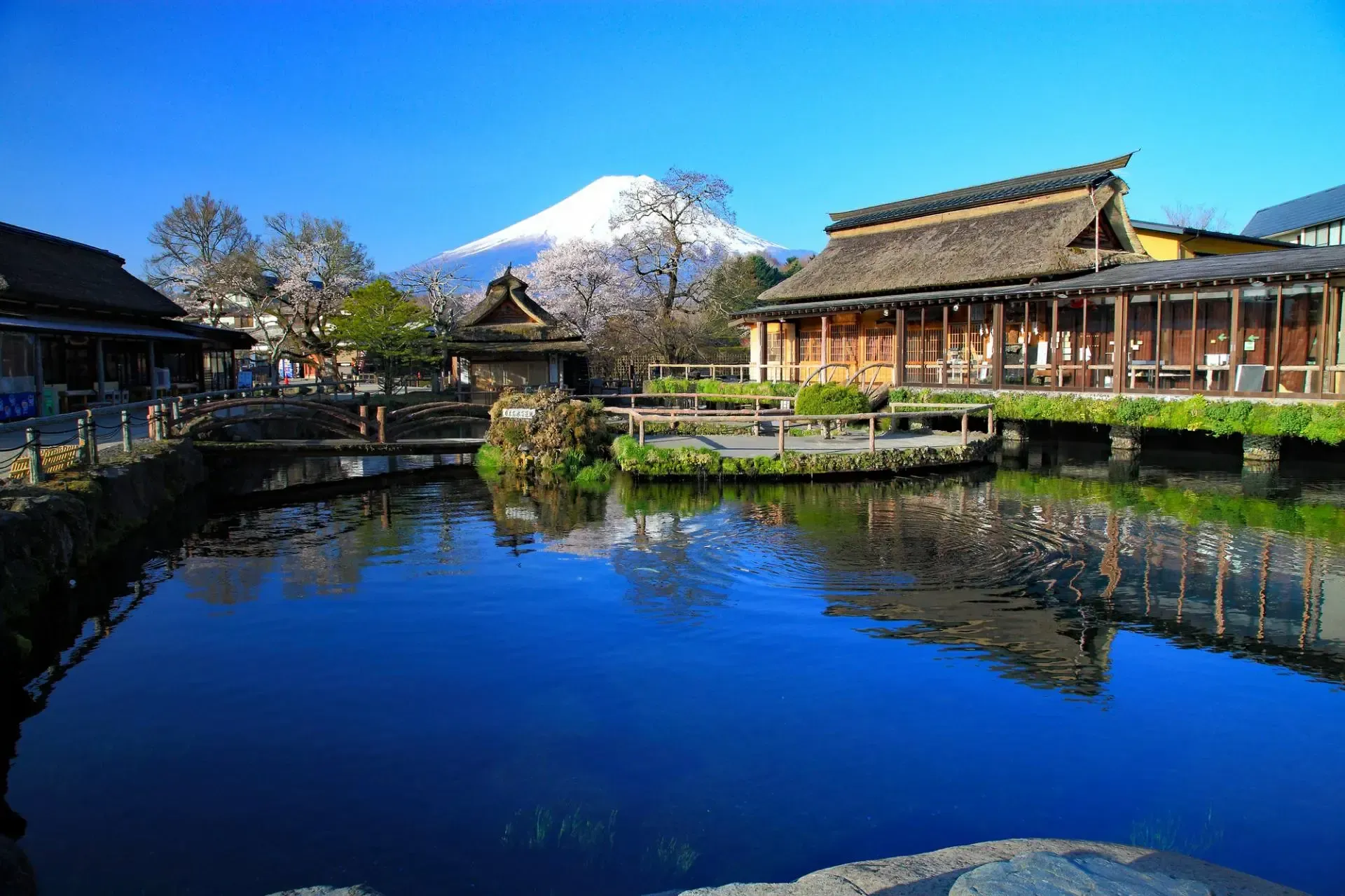
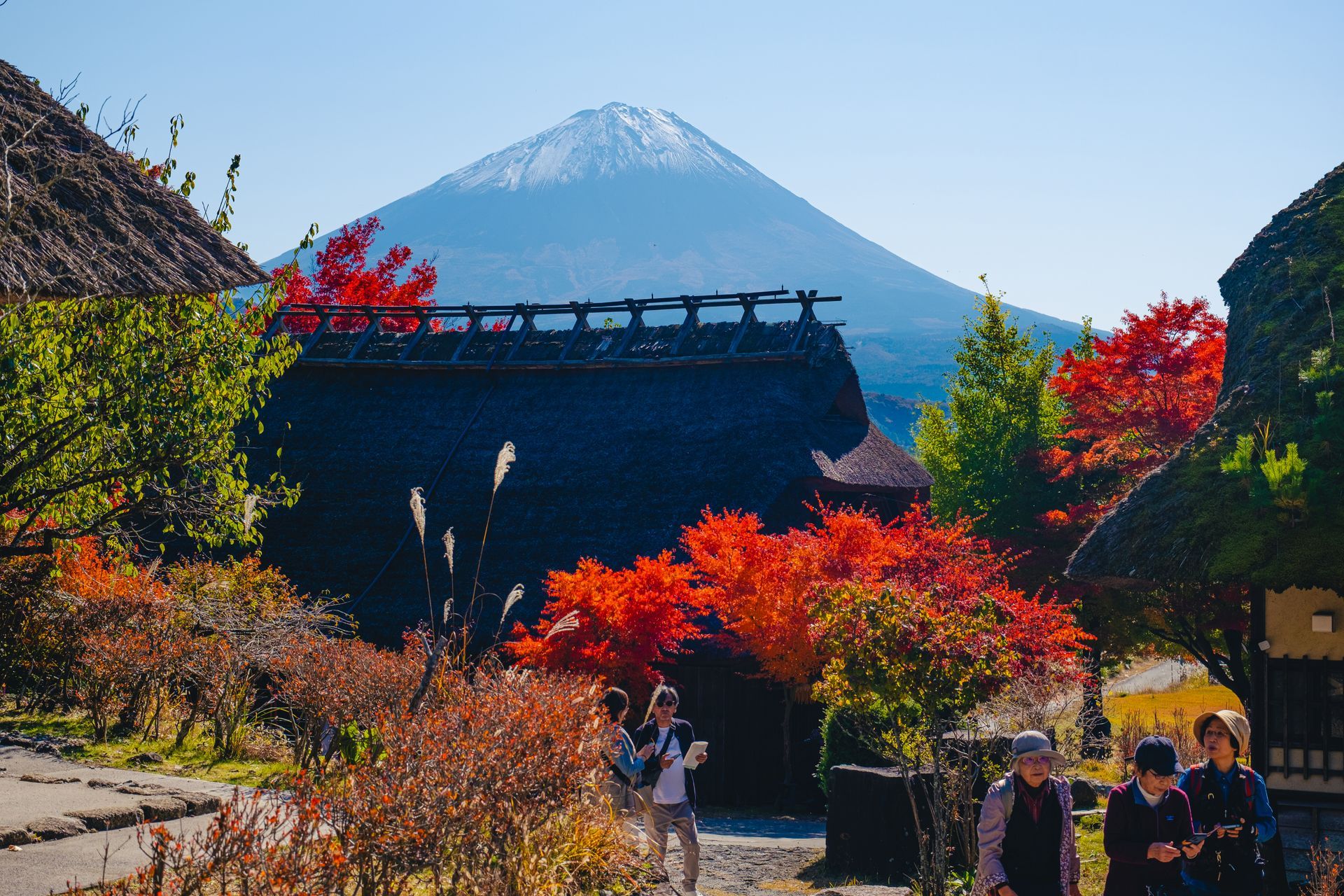
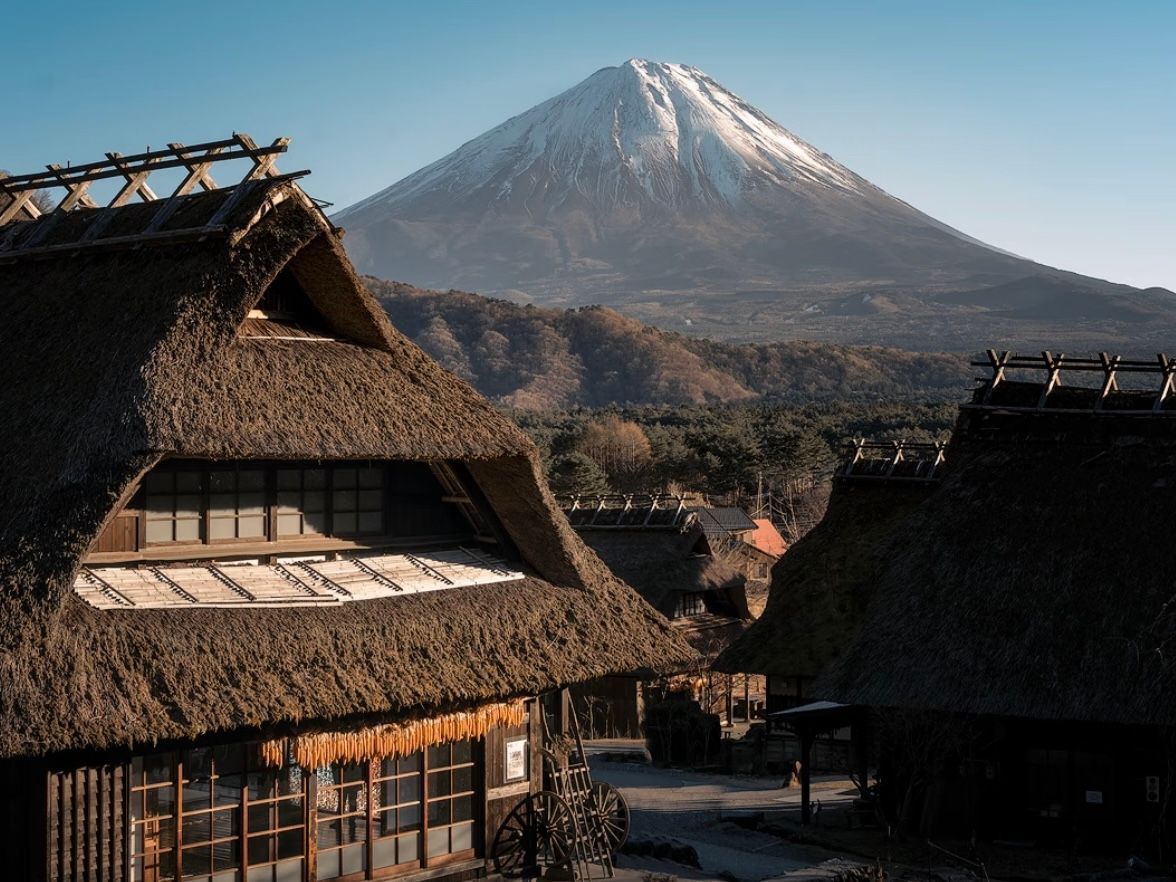
🏘 ③ Saiko Iyashi-no-Sato Nemba

Best for: Traditional thatched houses + Fuji
Bonus:
Great for kimono photos
Visibility:
Clear days only, but stunning when visible

🛕 ④ Chureito Pagoda

Best for: postcard-perfect Fuji + pagoda
Best season:
Cherry blossom in early April
Crowds:
One of the most congested spots in Japan
Pro tip:
Visit early morning to avoid queues

🚏 ⑤ Mt. Fuji 5th Station

Best for: Feeling “close” to the mountain
Note:

  • The closer you are, the harder it is to get a “full mountain view”
  • Sometimes covered in clouds even when Kawaguchiko is clear

🚌 3. Transportation: How to Get from Tokyo to Mt. Fuji

Option A: Highway Bus (Most Popular)

From: Shinjuku / Shibuya / Tokyo Station
To: Kawaguchiko or Gotemba

Time:
1.5–2 hours
Pros:
Cheap & direct
Cons:
Easily booked out in peak season; delays are common

Option B: Train

JR Chuo Line → Otsuki → Fujikyu Line → Kawaguchiko
Time:
2–2.5 hours
Cons:
Requires transfers; limited seats

Option C: Self-Drive

Pros: Freedom & scenic drives
Cons:
Expensive tolls; parking is limited during holidays

Option D: Guided Tour

  • No transfers
  • No waiting for buses
  • No worry about weather or direction
  • Driver knows real-time crowd conditions
  • Ideal for families, seniors, large groups

👉 This is what most foreign travelers prefer.

🧭 4. Recommended Mt. Fuji Day Trip Itinerary (2025 Edition)

08:00 — Depart Tokyo

Pick-up from hotel or meeting point.

10:00 — Saiko Iyashi-no-Sato Nemba

Traditional village with Fuji backdrop.

11:20 — Oishi Park

Lake Kawaguchiko + seasonal flowers.

12:20 — Momiji Corridor

Best autumn foliage spot (seasonal).

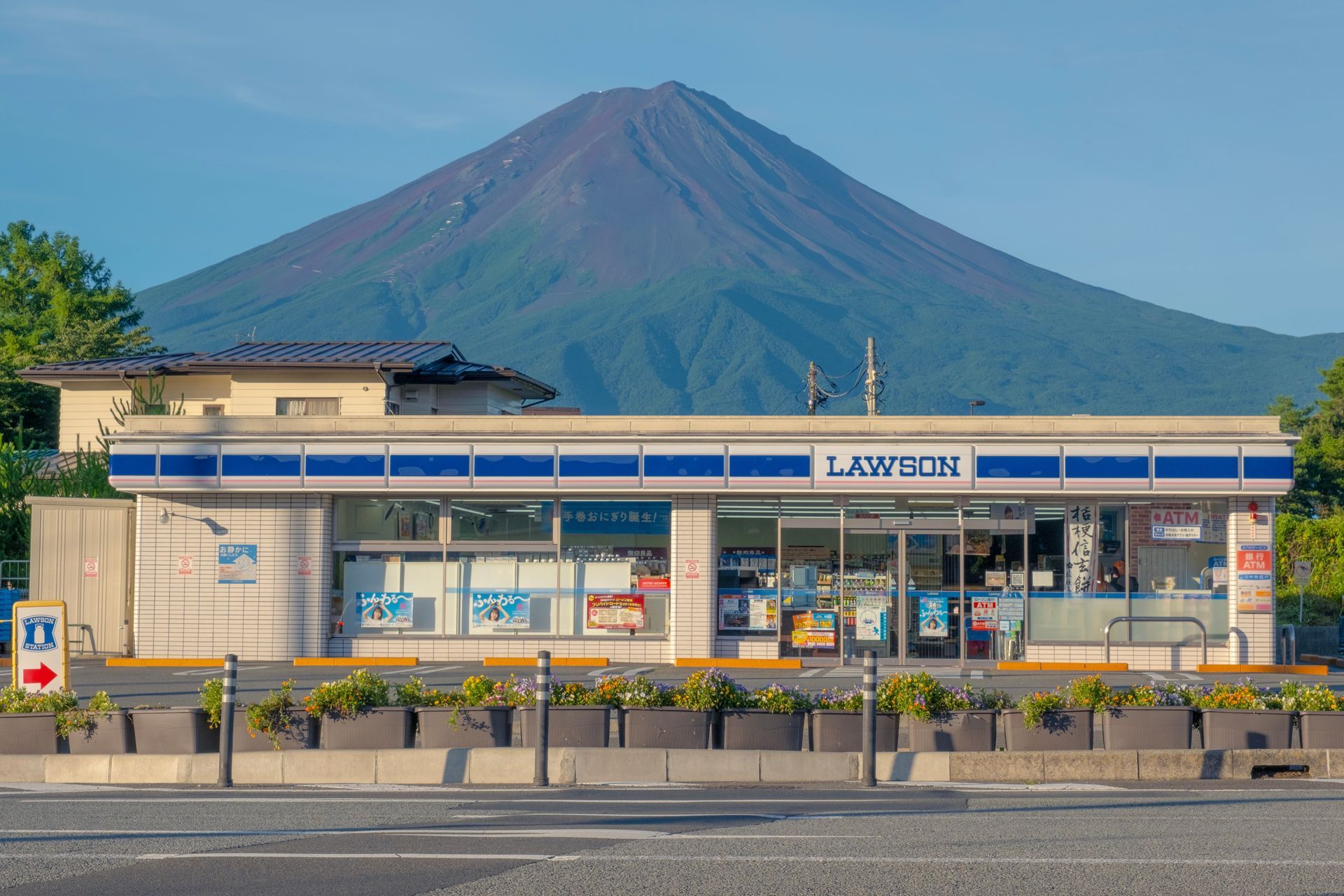
13:30 — Local lunch / Lawson stop

Enjoy convenience store food with Fuji view.

14:00 — Chureito Pagoda

Stunning panoramic views.

15:30 — Return to Tokyo

17:00 — Arrive in Tokyo

(Time may change due to weekend/holiday traffic.)

🌤 5. How to Avoid Crowds at Mt. Fuji

Based on operating hundreds of tours, here are insider strategies:

✔ Go early (before 9–10 AM)

Most tour buses arrive 11 AM–1 PM.

✔ Visit west-side spots first

✔ Avoid Chureito at noon

The line for the observation deck can reach 60–90 minutes.

✔ Avoid long weekends / national holidays

Traffic around Kawaguchiko can double travel time.

🔍 6. Should You Join a Guided Tour or Go by Yourself?

✔ Choose public transport if:

  • You are budget-focused
  • You travel alone and don’t mind transfers
  • You only want to visit 1–2 spots

✔ Choose a guided tour if:

  • You want to visit 4–6 spots in one day
  • You want perfect photo points
  • You don’t want to handle transportation
  • You're traveling with family
  • You want multilingual assistance
  • You want time optimization instead of waiting for buses

A guided Mt. Fuji tour is the most time-efficient and most comfortable option.

🚌 7. Join Our Mt. Fuji Day Trip from Tokyo

If you want a comfortable, no-crowd, multilingual Mt. Fuji experience, we offer:

Mt. Fuji & Kawaguchiko Day Trip

  • English / Chinese / Japanese support
  • Best viewpoints & seasonal spots
  • Avoid-crowds timing
  • Professional driver + licensed guide
  • Hotel pickup option

👉 Book here: (https://www.viator.com/tours/Tokyo/Classical-Mt-Fuji-Day-Tour/d334-5601090P19)
👉
WhatsApp / LINE: (+81-09097015569 Via Whatsapp or Line)

We send guests:

  • Guide contact
  • Meeting photos
  • Weather/visibility reminder
  • Real-time updates

The day before 18:00–21:00.

This ensures a worry-free and safe experience.

8. Frequently Asked Questions(FAQ)

Q: Is Mt. Fuji visible every day?

No. Clear days are most common in winter and early spring.

Q: Can I visit Mt. Fuji in winter?

Yes—visibility is excellent, and roads remain open except during heavy snow.

Q: Are restaurants vegetarian-friendly?

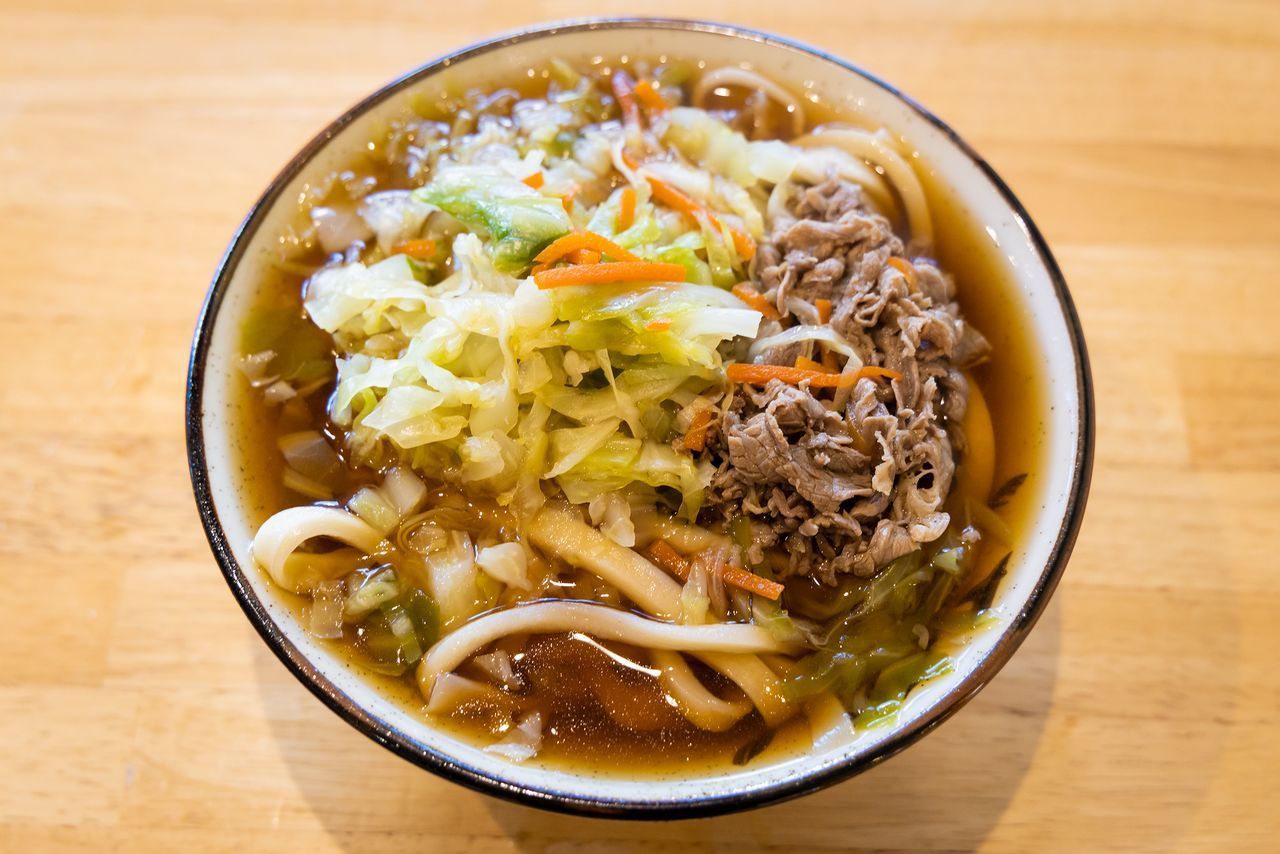
Around Kawaguchiko, many cafés offer vegetarian options.

Q: Can seniors join the trip?

Yes. Most spots require limited walking.

Q: Is the trip safe for children?

Absolutely. Many families join our tours every week.

🏁 Conclusion

A Mt. Fuji day trip is one of the most memorable parts of visiting Japan.
With good timing, the right spots, and a little planning, you can enjoy stunning views, beautiful lakes, and seasonal scenery.

We hope this 2025 Complete Guide helps you plan the perfect trip.

If you'd like a professional, no-stress experience, feel free to join our daily Mt. Fuji tour with multilingual support.

Safe travels, and enjoy Japan!
By JIAXIN LI January 15, 2026
🌅 1. Lake Kawaguchi – The North Shore (Oishi Park Area) Address (EN): Oishi Park, Oishi, Fujikawaguchiko-machi, Yamanashi Address (JP): 山梨県南都留郡富士河口湖町大石 Lake Kawaguchi’s northern shoreline is one of Fuji’s calmest stages. On quiet mornings, the lake acts like a mirror waiting to decide what it will reveal. If you arrive around sunrise, you may watch Fuji gradually take shape from the haze—an outline becoming form, becoming presence. Seasonal changes here are dramatic. In winter, the lake is still and pale. In summer, lavender fields color the shoreline. But perhaps the most magical moment comes in mid-April during the Kawaguchiko Cherry Blossom Festival. Tens of cherry trees bloom along the path, forming a soft pink frame around the lake, with Fuji rising quietly behind them. Weather Insight Cloud Base above 2,200–2,500m generally ensures visibility. North wind brings clearer skies; south wind pulls moisture toward Fuji. Humidity between 60–70% creates soft, atmospheric haze ideal for sakura photography. Reflection is most likely when wind is under 2 m/s. Morning mist usually lifts between 8:30–9:30 AM. Transportation Insight Cycling is ideal along the flat lakeside. Local buses are available but crowded during cherry blossom season. Taxis are useful for time-sensitive shoots. Charter vehicles help greatly during festival weeks when parking is limited. Photography Notes Morning sidelight adds gentle structure to Fuji’s slopes. Use a polarizer lightly to preserve atmosphere. Walk a few minutes away from Oishi Park for quieter compositions. 🍁 2. Momiji Corridor(Maple Corridor) Address (EN): Near Kawaguchiko Museum of Art, Kawaguchi Area Address (JP): 山梨県南都留郡富士河口湖町河口 The Momiji Corridor is a place where autumn lingers. In late October through mid-November, maple leaves turn deep red and warm gold, forming an illuminated canopy over the narrow stream. Light moves slowly here, drifting across water and rock, creating one of the region’s most atmospheric scenes. Fuji appears only from select angles, but when it aligns with the canopy of red leaves, the image becomes iconic—warm foreground, cool mountain, and a sense of seasonal depth. Season Highlight Peak foliage usually occurs from late October to mid-November. Morning sunlight filtering through the leaves adds a soft glow ideal for photography. Weather Insight Autumn provides some of the year’s clearest visibility. North winds clean the upper atmosphere, revealing Fuji with exceptional clarity. Cloud Base around 2,500–3,000m offers optimal mountain visibility. Clouds may accumulate around midday—morning is best. Transportation Insight Walking is ideal within the Corridor. Buses are convenient from the museum area. Taxis help with quick transitions to the lakeshore. Charter is best for combining this location with others such as Saiko or Chureito. Photography Notes Telephoto lenses (70–135mm) compress leaves and mountain effectively. Explore deeper sections to avoid crowds. 🛕 3. Chureito Pagoda(Arakurayama Sengen Park) Address (EN): 2-4-1 Asama, Fujiyoshida Address (JP): 山梨県富士吉田市浅間2-4-1 The walk to Chureito Pagoda feels like a small pilgrimage. After climbing 398 steps, the pagoda rises before you, elegant and deliberate, while Fuji stands perfectly centered behind it. The balance between architecture and mountain feels almost ceremonial. Spring brings cherry blossoms around the pagoda; autumn brings warm maples; winter brings cold, transparent air that reveals every ridge on Fuji’s snowy peak. Weather Insight Cloud Base above 2,300m usually reveals the summit. North wind clears Fuji’s northern face quickly. Winter mornings offer the highest clarity of the year. Summer haze often clears by late morning. Transportation Insight Train plus a short walk is typical. Taxis are excellent for early morning starts. Charter recommended for carrying equipment or visiting multiple spots. Photography Notes Best light between 8:00–10:00 AM. Mid-telephoto (85–135mm) offers ideal balance. Move slightly left for a cleaner alignment of rooflines and mountain slopes. 🕰 4. Nikawa Clock Shop(Shimoyoshida Retro Street) Address (EN): 1-6-5 Shimoyoshida, Fujiyoshida Address (JP): 山梨県富士吉田市下吉田1-6-5 This is one of Fuji’s most intimate perspectives. A quiet slope, an old clock shop, and Fuji rising beyond the rooftops create a composition that feels nostalgic and deeply Japanese. Unlike the dramatic lakes or pagodas, this viewpoint feels grounded in everyday life. Cloudy days suit this location beautifully, softening the contrast between street and mountain. Weather Insight Thin cloud cover creates natural, diffuse lighting. Cloud Base of 2,000–2,500m is usually sufficient. Works well even if Fuji is partially obscured. Transportation Insight Walkable from Shimo-Yoshida Station. Taxis are convenient when pairing with Chureito. Charter ideal for continuing into rural areas afterward. Photography Notes 35–50mm produces a natural documentary feel. Morning light or soft cloudy days provide the best results. 🎢 5. Mt. Fuji Panoramic Ropeway(Tenjoyama Park) Address (EN): 1163-1 Asakawa, Fujikawaguchiko Address (JP): 山梨県南都留郡富士河口湖町浅川1163-1 From the ropeway summit, Kawaguchiko curves below in a calm arc, and Fuji rises beyond it with quiet strength. Clouds move quickly at this altitude, offering shifting patterns of light and shadow across the mountain. Weather Insight Cloud Base above 2,500m produces crisp detail. Light west winds create dynamic cloud shadows on the slopes. Autumn afternoons often provide the most sculpted light. Transportation Insight Ropeway is the main access route. Walking trails offer quieter secondary viewpoints. Charter useful when combining the ropeway with Yamanakako or Saiko. Photography Notes Wide angle for the lake; telephoto for Fuji’s upper slopes. Continue past the viewing platform for cleaner compositions. 🛶 6. Lake Yamanaka(Swan Lake District) Address (EN): Yamanakako Village, Yamanashi Address (JP): 山梨県南都留郡山中湖村 Lake Yamanaka offers the closest and most imposing view of Fuji. At sunrise, the summit glows red before the rest of the mountain brightens—a phenomenon known as Aka Fuji. Swans drift near the shoreline, adding gentle motion to the still morning water. In winter, steam fog rises from the cold lake surface, creating fleeting, ethereal scenes that feel almost unreal. Weather Insight Sub-zero mornings create steam fog ideal for silhouettes. Cloud Base above 2,500m keeps the summit visible. Wind under 1.5 m/s increases reflection chances. Winter produces exceptional clarity due to temperature inversion. Transportation Insight Cycling is excellent for exploring the lakeside. Buses are limited at dawn. Taxis are highly practical for sunrise photography. Charter allows multi-lake sunrise schedules. Photography Notes Sunrise is the prime shooting window. Gradient ND helps control contrast. Swans provide strong foreground interest. North Side Weather Summary Best seasons: autumn, winter, early spring Ideal visibility: cloud base above 2,300–2,800m Mist clearing window: 8:30–9:30 AM Reflection conditions: wind under 2 m/s North wind often brings the clearest skyline North Side Transportation Summary Cycling: peaceful and flexible Bus: convenient but often crowded Taxi: ideal for heavy gear or sunrise windows Charter: best for multi-spot, weather-driven itineraries Closing Note The north side of Mt. Fuji offers balance—lakes, pagodas, blossoms, gentle terrain, and classic postcard views. But Fuji’s character shifts as you move west. The lakes become wilder, the forests deeper, and the mountain more dramatic. The next chapter explores that landscape: Motosu, Shoji, Saiko, and the rugged ridges of Mitsutoge. ‍
By JIAXIN LI January 14, 2026
🍂 When Does Autumn Arrive at Kawaguchiko? Colors begin to shift in late October, but the true peak usually lands between early and mid-November. If you want the most stable combination of deep red maples and clear skies, the period from November 7 to 14 is consistently reliable. By late November, many leaves near the Maple Corridor begin to fall, though other parts of the lake remain colorful a little longer. Kawaguchiko is a wide area. Even if one location is slightly past its peak, another often looks just right. 🍁 The Best Places to Experience Autumn at Kawaguchiko These descriptions aren’t copied from brochures—they’re based on the feeling of actually standing there, often before most people arrive. 🍁 Maple Corridor (Momiji Corridor) Most travelers have seen photos of this place long before arriving in Japan. The Maple Corridor is a long footpath running alongside a small river, shaded by tall maple trees that arch overhead. At the height of autumn, the entire walkway glows in soft reds, oranges, and golds. The ground becomes a rustling carpet of leaves, and you’ll hear the gentle sound of the river flowing beside you. If you visit early in the morning, there’s a calmness that almost feels unreal. Shops are still closed, the air is cool and slightly damp, and sunlight slowly filters through the branches. Later in the day, the atmosphere shifts. More visitors arrive, couples wander hand in hand, photographers set up tripods, and the walkway becomes lively. Both moods have their charm, but arriving before 9 AM lets you appreciate the place in its quieter form. 🌅 Oishi Park (Oishi-koen) Oishi Park is one of the most forgiving places to photograph—almost every angle looks good. The park sits along the northern shore of the lake, giving it a wide, unobstructed view of Mt. Fuji 🗻 across the water. In autumn, the flower beds transition to deep red Kochia and warm seasonal colors that frame the lake beautifully. On calm mornings, Fuji’s reflection sometimes appears on the surface of the water. The breeze from the lake can be cold in November, but it also clears the view, giving the mountain a very crisp outline. Visitors often take their time here, walking slowly along the lakeside path or just sitting on a bench watching the scenery change with the light. 🍂 Saiko Iyashi-no-Sato Nemba This traditional thatched-roof village offers a quieter type of autumn beauty. Set against the mountains, the village is filled with old wooden houses restored to resemble a historical farming community. In autumn, the slopes behind the village turn warm shades of red and orange, creating a gentle, nostalgic backdrop. If the weather cooperates, Mt. Fuji appears directly behind the houses. On clear days, the view feels timeless—like something from a period film. Inside the houses, you can smell wood and tatami, and some workshops let you try crafts or kimono. Compared to the busier lakefront areas, this village has more space and a slower atmosphere, which many travelers appreciate. 🛕 Chureito Pagoda The well-known “red pagoda and Fuji” photo comes from here, but in person, the experience is fuller than the photograph suggests. To reach the viewpoint, you climb a long staircase—around 398 steps—but the climb itself is part of the atmosphere. You hear the city below, the wind in the trees, and the steady rhythm of other travelers climbing with you. In autumn, the trees around the pagoda turn deep red, making the contrast with the pagoda even stronger. If you visit early, you’ll find a soft, peaceful quiet at the top. Later in the day, it becomes busy, but the panoramic view of Fuji and the city is still worth the effort. 🗻 How to Check Mt. Fuji Visibility Before You Go This is one of the most important parts of planning your day. Fuji can hide behind clouds even on a “sunny” forecast, so general weather apps aren’t enough. Here’s what we actually check every morning: Live Cameras Search “富士山 ライブカメラ”. This is the most accurate method. You’ll see exactly what it looks like right now. Windy App Switch to the Cloud Base or Visibility layer. If the cloud base is low, Fuji may be hidden. Tenki.jp The Japanese weather website often predicts cloud movement better than global apps. Search “富士山 天気”. Simple local rule North wind often brings clear skies. South wind usually pushes clouds toward Fuji. 🍁 A Practical Autumn Day Trip Itinerary A smooth day depends more on timing than on how many places you visit. Here’s a plan we often use for guests: 8:00 – Leave Tokyo 10:00 – Saiko Iyashi-no-Sato Nemba 11:20 – Oishi Park 12:20 – Maple Corridor 13:30 – Lunch or café 14:30 – Chureito Pagoda 15:30 – Return to Tokyo 17:00 – Arrival (later on weekends) How to Reach Kawaguchiko Highway Bus The simplest option for most travelers. Buses from Shinjuku, Shibuya, and Tokyo Station go directly to Kawaguchiko Station. Book via HighwayBus.com or JapanBusOnline. You’ll receive a QR code—no need to print anything. Morning buses during November can sell out several days ahead, so booking early is best. For the return trip, the afternoon departures (especially 3–5 PM) fill very quickly. A round-trip ticket saves you from long queues. Getting Around the Lake After arriving at Kawaguchiko Station, you can buy a one-day pass for the sightseeing buses. Red Line Runs along the lake and stops at Oishi Park. Very popular from late morning onward. Green Line Heads toward Saiko and the thatched-roof village. Usually calmer and less crowded. Buses may run slightly behind schedule during the peak of autumn. If possible, move earlier in the day to avoid crowds. What to Wear Late October to early November feels cool, especially near the lake. By mid-November, mornings can be quite cold, and a warm jacket becomes essential. Layers are helpful because the temperature changes quickly between morning and afternoon.  Final Thoughts Kawaguchiko in autumn has a rhythm of its own. The lake is calm in the morning, the maples glow in the midday sun, and Fuji appears and disappears behind drifting clouds. With a bit of timing, a good visibility check, and a willingness to explore beyond the busiest hour, your day here can feel unforgettable. ‍